John of Gaunt
-
A source at the National Archives says that John of Gaunt’s daughter Elizabeth was married to the boy, John Hastings, Earl of Pembroke, on 24th January 1380. She was about 17, he was about 8. She then “disagreed” with the marriage, because of her husband’s youth and inability to consummate the marriage, and the source…
-
Murrey and Blue interviews Michael K. Jones
“The King’s Mother”, “Tudors”, Aquitaine, BBC History Magazine, Castile, Chandos Herald, chivalry, Crecy, David Baldwin, Edmund Duke of Somerset, Edward III, Edward the Black Prince, Enrique of Trastamara, France, Froissart, Henry of Knighton, Henry VI, Henry VII, Hundred Years War, interviews, Jean II, John Gower, John of Gaunt, Lady Margaret Beaufort, Lancastrians, Lionel of Antwerp, Lords Appellant, Malcolm Underwood, Michael K Jones, Military tactics, Mortimers, Najera, Pedro I, Poitiers, Polydore Vergil, propaganda, Richard Duke of York, Richard II, Richard III, siege of Limoges, St. John’s College Cambridge, Thomas Brinton, Thomas Walsingham, tyranny, Wars of the Roses, Westminster Hall, YorkistsWhich of the Black Prince’s military achievements is the most impressive and why? The main attraction in writing a biography of the Black Prince was to bring to life his martial exploits, for Edward of Woodstock, the eldest son of Edward III, captured the imagination of fourteenth century Europe. The chronicler Jean Froissart described him…
-
Ralph, 9th Baron Scrope of Masham, was—through his Greystoke mother—the great-grandson of Joan Beaufort and therefore great-great-grandson of John of Gaunt and Katherine de Roët. This made him the great-great-great-grandson of Edward III. (For the path, follow the purple line in the following chart.) What this blood did not do was give him expectations. *…
-
A History Walk in Wiltshire
Alton Magna, attainder, Beaufort family., Blanche of Lancaster, Buckingham rebellion, churches, Duchy of Lancaster, Edward de Bohun, Edward II, Edward III, Edward IV, Figheldene, Francis Stourton, Henry IV, Hugh le Despenser, Isabella de Valois, John of Gaunt, Leicester, Lord Chancellor, Maud of Lancaster, Netheravon, Roger Mortimer, Simon de Montfort, Thomas Rotherham, William Berkeley, WiltshireSometimes, in this very old country of ours, even a simple afternoon’s walk out along the river can come up with some rewarding historical data relating to the Middle Ages and the Wars of the Roses period. Recently I went for a walk near the Wiltshire Avon, from Figheldean to Netheravon, taking in two little-known…
-
The above painting by William Bell Scott depicts Chaucer reading to an aging John of Gaunt. The ladies are the two men’s wives, Philippa and Katherine, born de Roët. Everyone knows that John of Gaunt (1340-1399) had three wives, the last of whom was Katherine Swynford (nee de Roët, 1350-1403), who had been his children’s…
-
Uncle Richard?
“Princes”, art, Battle of Bosworth, Cecily Neville, Charles II, Civil War, Danny Dyer, David Garrick, Earl of Northumberland, Elizabeth Tyrrell, Elizabeth Wydeville, Frances Wray, genealogy, George Neville, Gipping Chapel, Henry of Buckingham, Joan Haute, John Neville Marquis of Montagu, John of Gaunt, Katherine Haute, Lady Margaret Beaufort, Margaret of Salisbury, Percies, Richard III, Richard of Warwick, Richard Woodville, Robert Cecil, Shakespeare, Sir Henry Vane, Sir James Tyrrell, Stowmarket, Thomas Snellgrove, William Brandon, William Cecil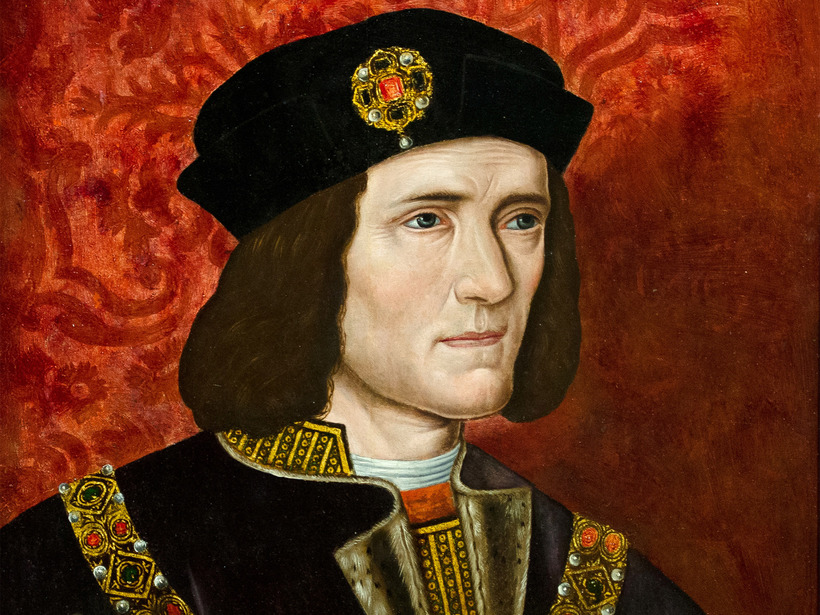
A long time ago, I posted a short article about one of my ancestors, Thomas Snellgrove, who was a portrait artist and painted an actor portraying Richard III. Here is the link. I have been researching my family history for over thirty years and it used to be a very slow and painstaking process. The…
-
What do Matilda and Margaret, Eleanor and Elizabeth, plus two Henrys, add up to…?
“Beauforts”, Antioch, Catherine de Roet, Crusades, Eleanor of Aquitaine, Elizabeth of York, Fair Rosamund Clifford, Gerald of Wales, Henry I, Henry II, Henry VII, John of Gaunt, Lady Margaret Beaufort, Lancastrians, Matilda, Raymond of Poitiers, Richard III, Robert of Gloucester, Shakespeare, Stephen, The Lion in Winter, Viscount Welles, YorkistsTo my mind, it adds up to two very similar situations that are two centuries apart. Let us begin in the 12th century. On his deathbed, Henry I of England named as his successor his only surviving child, his daughter, the Empress Matilda. He obliged the nobility to agree. They reneged, of course. A woman…
-
ENGLAND’S MINORITY KINGS 1216-1483
Alice Perrers, Anne Curry, Annette Carson, books, Chrimes, codicil, David Carpenter, Edmund of Langley, Edward III, Edward IV, Edward the Black Prince, Edward V, Elizabeth Woodville, France, Great Council, Henry Chichele, Henry III, Henry V, Henry VI, Honorius II, Humphrey of Gloucester, John, John Ashdown-Hill, John of Bedford, John of Gaunt, John Russell, Lancastrians, Lord Guala, Lord Protector of the Realm, Louis VIII, Magna Carta, minority kings, Parliamentary Roll, precedent, Privy Council, Ralph Griffiths, Regency, Richard II, Richard III, Roskell, Thomas of woodstock, William MarshallIntroduction This essay was prompted by a sentence in John Ashdown-Hill’s latest book ‘The Private Life of Edward IV’: “ According to English custom, as the senior living adult prince of the blood royal, the duke of Gloucester should have acted as Regent — or Lord Protector as the role was then known in England…
 The New Murrey and Blue blog