James VII/II
-
The Inspirational Borders and Lothians
A History of Scotland, Alexander III, borders, Borders Railway, Borders towns, David Hume, Donald Bain, Douglas Haig, Dukes of Roxburghe, Earls of Lauderdale, Edinburgh, Edinburgh Castle, Edith of Scotland, Floors Castle, guns, Henry I, Holyrood Palace, Honours of Scotland, Hume statue, James II holly, James V, James VII/II, Jedburgh, Jedburgh Abbey, Kelso, Leith, Malcolm III, Mary Queen of Scots, Mary Queen of Scots’ House, Melrose, Melrose Abbey, Melrose RFC, Neil Oliver, North Bridge, Ocean Terminal, Princes Street, rebellions, Richard III, River Tweed, Ronnie Corbett, Roxburgh Castle, Royal Mile, Royal Yacht Britannia, rugby clubs, Scotland, Scott Memorial, Scott’s View, Scottish campaign 1482, siege of Roxburgh, Sir Walter Scott, Skirmish Hill, St. Giles’ Cathedral, St. Margaret of Wessex, St. Margaret’s Chapel, Thirlstane, Tweedbank Station, Waverley Station, whiskyvia The Inspirational Borders and Lothians
-
Yes, 17th century, in spite of this headline elsewhere, it is this to which I am drawing your attention. The headline says the ring is 15th-century, which I suppose it might be, if it was 200 years old when it was lost, but examination seems to confirm that it is 250 years old, and therefore of…
-
The real life of the last Stuart
Act of Settlement, Acts of Union, Anne, Anne Hyde, Battle of Sedgemoor, BBC2, Catherine of Braganza, Channel Four, Charles II, Charlotte of Wales, childbirth, Clare Jackson, Emma Stone, George I, George of Denmark, Glorious Revolution, Hanoverians, historical drama, illegitimacy, James “VIII/III”, James VII/II, Jeremiah Clarke, Mary II, Mary of Modena, Monmouth Rebellion, Olivia Colman, Rachel Weisz, Restoration, Royal Deaths and Diseases, Sophie Electress of Hanover, Stuarts, The Favourite, Trumpet Voluntary, William Duke of Gloucester, William IIITelevision history is rarely focused upon Anne (left), except as the final act of the Stuart drama like this or her unfortunate reproductive history in this series. Discussion is, therefore, reduced to the cliches of her fragile family, her weight and her fondness for brandy. She is also omitted from most dramatisations of the time, such…
-
A new interpretation of 1580s events
Armada, Battle of Bosworth, Battle of Sedgemoor, Buckingham rebellion, Duke of Medina Sidonia, Duke of Parma, Elizabeth I, executions, Fotheringhay, France, French Wars of Religion, Glorious Revolution, Henry of Buckingham, Henry VII, James of Monmouth, James VII/II, John Ashdown-Hill, John Hawkins, Lisbon, Lord Howard of Effingham, Marie de Guise, Mary II, Mary Stuart, Monmouth Rebellion, naval battles, Netherlands, Phillip II, Plymouth, Portland, Richard III, Scotland, Sir Francis Drake, Spain, Tilbury speech, William IIIWe all know that Mary Stuart was beheaded at Fotheringhay on 8 February 1587 and that the Spanish Armada sailed to facilitate a Catholic invasion of England in the following year, leaving Lisbon on 28 May and fighting naval battles in late July, at Plymouth and Portland. The traditional view is that Mary Stuart’s execution…
-
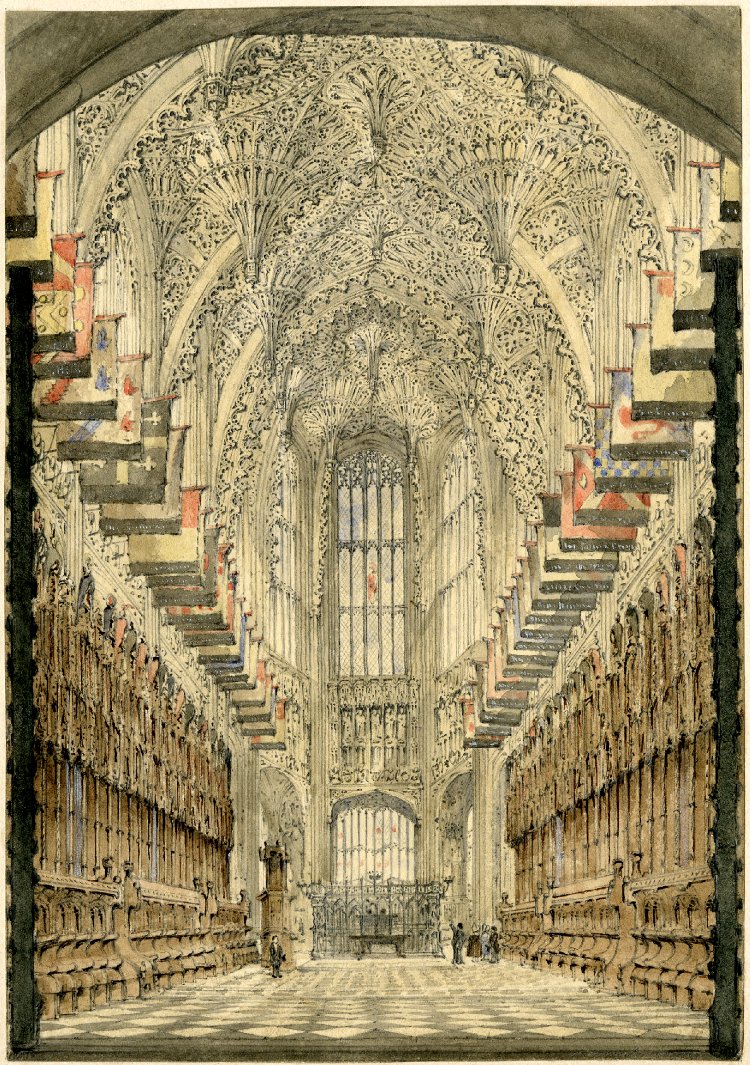
UPDATED POST @ sparkypus.com A Medieval Potpourri https://sparkypus.com/2020/05/14/the-bones-in-the-urn-again-a-17th-century-hoax/ 19th century painting of the Henry VII Chapel by an unknown artist. The entrance to the area where the urn stands is to the left of the tomb of Henry VII Helen Maurer, in her wonderful article, Whodunnit: The Suspects in the Case mentioned in the notes ‘As for why…
-
A Grey Day
Archbishop Cranmer, Battle of Sedgemoor, Castle Heaton, Charles II, Elizabeth Wydeville, executions, Ford Grey Earl of Tankerville, Grey-Dudley rebellion, Greys, Henry Grey Duke of Suffolk, Henry V, Henry VI, Henry VIII, James VII/II, Jane, John Dudley Duke of Northumberland, Lancastrians, Lord Guildford Dudley, Lord Leonard Grey, Mary I, Monmouth Rebellion, Mowbrays, Norham, Northumberland, Portchester Castle, Rye House Plot, Second Battle of St. Albans, Sir John Grey of Groby, Sir Thomas Grey, Southampton plot, Streatham portrait, Thomas Grey Marquess of Dorset, Tower of London, WarkThe Grey family, originally from Northumberland, are a consistent feature of English history from the Southampton plot of 1415 to Monmouth’s rebellion nearly three centuries later. Sir Thomas Grey (1384-1415) of Castle Heaton was a soldier and one of the three principals in the Southampton plot against Henry V, revealed to him by Edmund Mortimer,…
-
Squaring the Circle
“Perkin”, Arthur “Tudor”, Arthur Plantagenet, books, Catherine of Aragon, David Baldwin, Dr. John Clement, Edward IV, Edward of Warwick, Edward V, Elizabeth Wydeville, Ferdinand of Aragon, Henry VII, Henry VIII, Isabel of Castile, Jack Leslau, James “VIII/III”, James VII/II, Lady Catherine Gordon, Margaret of Salisbury, Matthew Lewis, Reginald Cardinal Pole, Richard III, Richard of Eastwell, Richard of Shrewsbury, sanctuary, The Survival of the Princes in the Tower, Thomas More, Westminster AbbeyWriting The Survival of the Princes in the Tower was an enormously enjoyable project. The book, due out in Autumn 2017, considers the evidence that one, or both, of the sons of Edward IV survived well beyond 1483, when they are traditionally considered to have been murdered by their uncle Richard III. My problem with…
-
UPDATED POST AT https://sparkypus.com/2020/07/28/james-ist-royal-gooseberry-in-the-henry-vii-vault/ Entrance to the tomb of Henry Vll as seen on the opening of the vault in 1869. Drawing by George Scarf. How did James I come to be interred in Henry Vll’s vault? Unfortunately it’s not known, but we do know how it was discovered to be the case. In 1868,…
-
Did anyone watch the second episode of Lucy Worsley’s fib-busting series last night? I didn’t quite make it to the end because I was so tired, but saw enough to understand that she did to James VII/II exactly what she did with Richard III. By that I mean she concentrated on the deeds/misdeeds of the…
 The New Murrey and Blue blog