Henry VII
-
Yet again, I tell you the old story of looking for one thing and happening on something else. This time an article that questions the ultimate effectiveness of Henry VII’s reign. Well, rather it raises questions that historians don’t seem to have asked before now. It is well worth reading, especially as there are links to other…
-
As I understand it, Richard sent his nieces Elizabeth and Cicely/Cecily to Sheriff Hutton before Bosworth, in the care of John de la Pole, Earl of Lincoln, who was then Richard’s successor as Lord of the North. Lincoln may have stayed there, because there is no proof that he fought alongside Richard. It is also…
-
Was a chapel for the House of York planned at Westminster Abbey in 1483…?
Canterbury Cathedral, Chertsey, Dean Stanley, Edmund of Rutland, Edward IV, Elizabeth of York, Fotheringhay, foundation stones, George Duke of Clarence, Henry VI, Henry VII, John Steane, Lady Chapel, pilgrims, Pontefract, reburials, Richard III, royal tombs, St. george’s Chapel, St. Thomas, Tewkesbury Abbey, Westminster Abbey, Windsor CastleA short while ago, I came upon a reference to the foundation stone of Henry VII’s chapel in Westminster Abbey (visible in this illustration of the abbey as it may have been in the Tudor period) have been laid first in April 1483. It was from here, as follows:- “. . .Elizabeth [of York] was given…
-
Strange Times by Joan Szechtman
“Strange Times”, Discovering Diamonds, Edward V, engineering, Francis Viscount Lovell, Henry VII, Joan Szechtman, Loyalty Binds Me, Minster Lovell Hall, Paul Murray Kendall, Ricardian fiction, Richard III, Richard III Society, Richard of Shrewsbury, Science, sequels, Sharon Kay Penman, Stoke Field, The Sunne in Splendour, This Time, time travelToday, we interview Joan Szechtman, an American writer who has just published her third time-travel novel about King Richard the Third. Fans of Joan have read her books, THIS TIME, which was published in 2009 and LOYALTY BINDS ME which was published in 2011. Her third Richard the Third novel, STRANGE TIMES, has just been…
-
It occurred to me today that when it comes to being so very supportive of Richard III, we are helped (in a manner of speaking) by Henry Tudor being such a visual horror. Yes, truly. He was ugly inside and out. Loathsome. And his legacy of the House of Tudor was only brightened by Elizabeth…
-
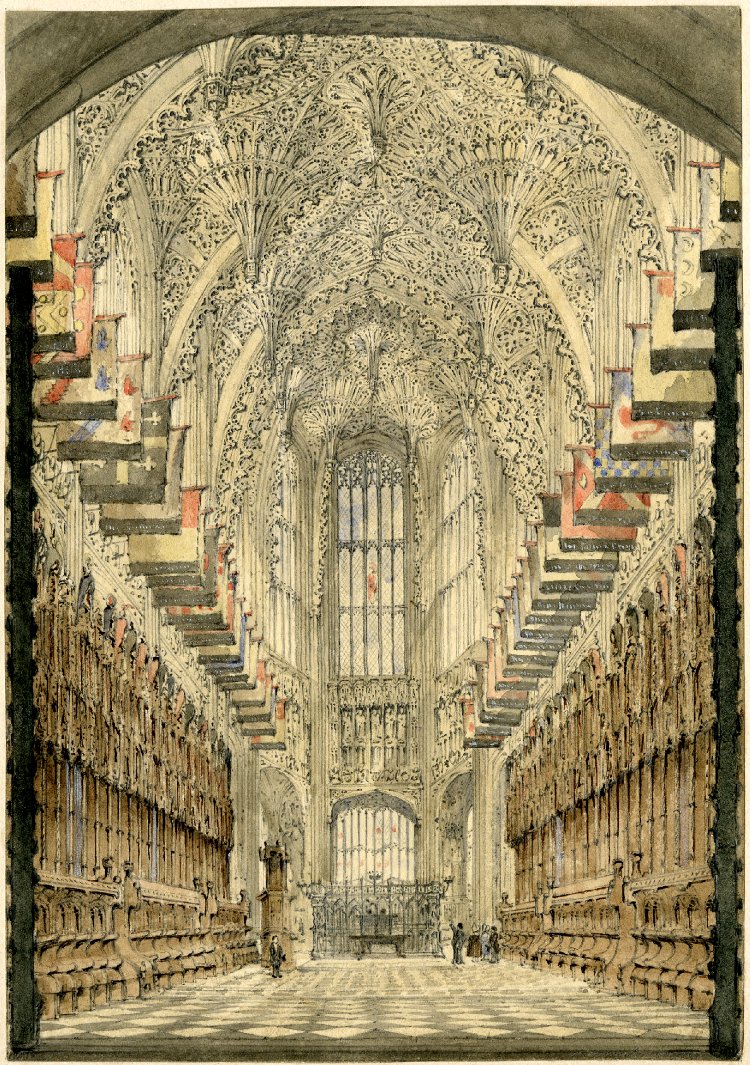
UPDATED POST @ sparkypus.com A Medieval Potpourri https://sparkypus.com/2020/05/14/the-bones-in-the-urn-again-a-17th-century-hoax/ 19th century painting of the Henry VII Chapel by an unknown artist. The entrance to the area where the urn stands is to the left of the tomb of Henry VII Helen Maurer, in her wonderful article, Whodunnit: The Suspects in the Case mentioned in the notes ‘As for why…
-
Stealing women (and also male wards) was a shamefully common event, especially in the 14th century, as I wrote yesterday. But it was still going on in the 15th century. Richard legislated on behalf of women, but so did Henry VII, with a 1487 “Acte against taking awaye of Women against theire Willes”. The following…
-
The truth about the Beauforts and the throne of England. . . .
“Beauforts”, Anne Mortimer, Battle of Bosworth, Blanche of Lancaster, Castile, Catherine de Roet, Constanza of Castile, Duchy of Lancaster, Edmund Mortimer, Edward III, Edward IV, excepta dignitate regali, Henry IV, Henry V, Henry VI, Henry VII, John Ashdown-Hill, John of Gaunt, Lady Margaret Beaufort, Lancastrians, Lionel of Antwerp, Mortimers, Phillipa of Ulster, Phillippa of Lancaster, Portugal, Richard Earl of Cambridge, Richard III, YorkistsJohn of Gaunt, third son of Edward III, was the Duke of Lancaster, and his illegitimate children, the Beauforts, were barred from the throne by his legitimate, firstborn son, Henry IV. Clearly the latter wasn’t having any baseborn relative wearing the crown. Nevertheless, we eventually ended up with a Beaufort king, who claimed to…
-
How Edward IV ascended the throne of England….
“Beauforts”, “Tudors”, cartoons, Castile, Catherine de Roet, Edmund Duke of Somerset, Edmund of Langley, Edmund of Rutland, Edward IV, Edward of Lancaster, Edward the Black Prince, executions, George Duke of Clarence, Henry II, Henry IV, Henry VI, Henry VII, humour, John of Gaunt, Lancastrians, Lionel of Antwerp, Margaret d’Anjou, Matilda, Mortimers, Phillippa of Lancaster, Richard Duke of York, Richard II, Richard III, Richard of Warwick, Shakespeare, SHW, Stephen, Tewkesbury, Tower of London, usurpation, Wakefield, Wars of the Roses, York, YorkistsThe Wars of the Roses did not commence, à la Bard, with white and red roses snatched and brandished in a garden by opposing lords, but they were foreshadowed at the turn of the fifteenth century when Henry of Bolingbroke, Duke of Lancaster, usurped and murdered Richard II. Bolingbroke was the son and heir…
 The New Murrey and Blue blog