Habsburgs
-
This 1527 event, which led to a Charles V inspired papacy ultimately refusing Henry VIII‘s annulment, because Catherine of Aragon was his aunt and Clement VII almost his prisoner, was discussed on “In Our Time” this week. In turn, however, this was inspired by Habsburg mercenaries being unpaid after their victory at the seige of…
-
“Useful Charts” tries to answer the big question: the Roman Empire
Alexis Romanov, Andreas, Andrew Romanov, Augustus, Byzantine Empire, Charlemagne, claimants, Constantine XI, Constantinople, Czars, Dundar Ali Osman, Felipe VI, Ferdinand and Isabella, France, Habsburgs, Holy Roman Empire, Irene, Istanbul, Ivan III, Jean-Christophe Napoleon, Julio-Claudian dynasty, Karl I, Karl von Habsburg, Matt Baker, Napoleon III, Nicholas II, Ottoman Empire, Roman Empire, royal titles, Russia, Russian Orthodox Church, Spain, The Four Lads, Turkey, Useful Charts, ZoeThe Roman Empire dates back to this day in 27BC, when Augustus assumed the title Princeps, to end (in the West) with Romulus Augustulus’ deposition in 476 and (in the East or Byzantine) with the defeat and death of Constantine XI by the Ottomans at Constintinople in 1453. So, who is the hypothetical Roman Emperor…
-
The above gentlemen have the infamous Habsburg chin on full display. It means they are definitely not going to win a World’s Handsomest Man competition any time soon. Their chins and general looks are the result of generations of inbreeding, the aim being to keep the royal blood pure. Well, there’s pure and there’s…
-
At the moment I’m trawling around medieval rulers in Europe. And lo! I’ve come upon this gentleman: His contemporary likenesses aren’t much better, so why was he called Philip the Fair/Handsome? Was it tongue-in cheek? If you look through the various recreations of him in this link below, if they’re even halfway accurate you can…
-
The Last Knight: The Art, Armor, and Ambition of Maximilian I
“Lambert Simnel”, “Perkin”, “Princes”, “The Last Knight”, “Tudor” rebellions, archers, Battle of Guinegate, Bruges Chapel of the Holy Blood, Charles the Bold, Charles V, Durer, Edmund de la Pole, exhibitions, Frederick III, Frederick the Wise, Habsburgs, Holy Roman Empire, James Gairdner, Jorg Helmschmid, jousting, Kingdom of the Romans, Louis XI, Margaret of Burgundy, Mary of Burgundy, masquerades, Maximilian I, Metropolitan Museum of Art, Order of the Garter, Order of the Golden Fleece, Philip the Handsome, Richard III, Tournament Tapestry, Victoria and Albert Museum
Originally posted on RICARDIAN LOONS: Portrait of Maximilian I, from the workshop or a follower of Albrecht Dürer. Holy Roman Emperor Maximilian I (1459-1519) is one of those larger-than-life historical figures. Straddling the medieval and Renaissance eras, he worked tirelessly and spent a vast fortune to establish the Habsburgs as one of Europe’s dominant ruling…
-
Why did Richard III allow Elizabeth of York such liberty at his court….?
“Beauforts”, “Princes”, “Tudors”, Anne Boleyn, Anne Neville, Battle of Bosworth, bigamy, bones, Bridget of york, Buckingham rebellion, Cecilia, Edward IV, Edward of Middleham, Edward of Warwick, Edward V, Elizabeth of York, Elizabeth Woodville, executions, Habsburgs, Henry VII, Henry VIII, Jane Seymour, John Earl of Lincoln, John Howard Duke of Norfolk, John of Gloucester, Katherine Howard, Lady Margaret Beaufort, Lancastrians, Margaret Duchess of Burgundy, Margaret of Salisbury, Mill Bay, Nottingham, pre-contract, re-legitimisation, Rennes Cathedral, Richard III, Richard of Shrewsbury, Robert Stillington, Shakespeare, Sheriff Hutton, Sir Ralph Scrope, Stanleys, Stoke Field, Titulus Regius, Titulus Regius 1486, Viscount Welles, Wales, Westminster AbbeyToday, 10th August, is my birthday, and on this date in 1485, the last Yorkist king, Richard III, was in Nottingham preparing for the imminent invasion of his realm by his Lancastrian foe, Henry Tudor, who didn’t have much of a blood claim to the throne but touted himself as the last remaining heir…
-
Tales of a Ricardian Traveler – Gruyères Castle
Battle of Nancy, Burgundy, Charles the Bold, Count of Gruyere, Edward IV, France, French Wars of Religion, Germany, Gruyeres Castle, Habsburgs, Holy Roman Empire, Lorraine, Margaret Duchess of Burgundy, Mary of Burgundy, Maximilian of Austria, Nancy, Philip the Good, Richard of Warwick, Swiss Confederation, Thirty Years’ War, ValoisOriginally posted on RICARDIAN LOONS: Lady on Horseback, mid-15th c., British Museum It is tempting to think that the British Isles contain all the sites associated with Richard III’s life. Of course, that’s not true. Richard lived abroad twice, first in 1461 and again in 1470-1. On both occasions, he had fled England in order…
-
Tests using ground-breaking new DNA technology are commencing on the clothing of Tomas Garrigue Masaryk, the first president of Czechoslovakia. For years it has been rumoured that Masaryk might have been the illegitimate son of Emperor Franz Josef, who was of the House of Hapsburg. Tests will be undertaken first on living relatives of Masaryk’s…
-
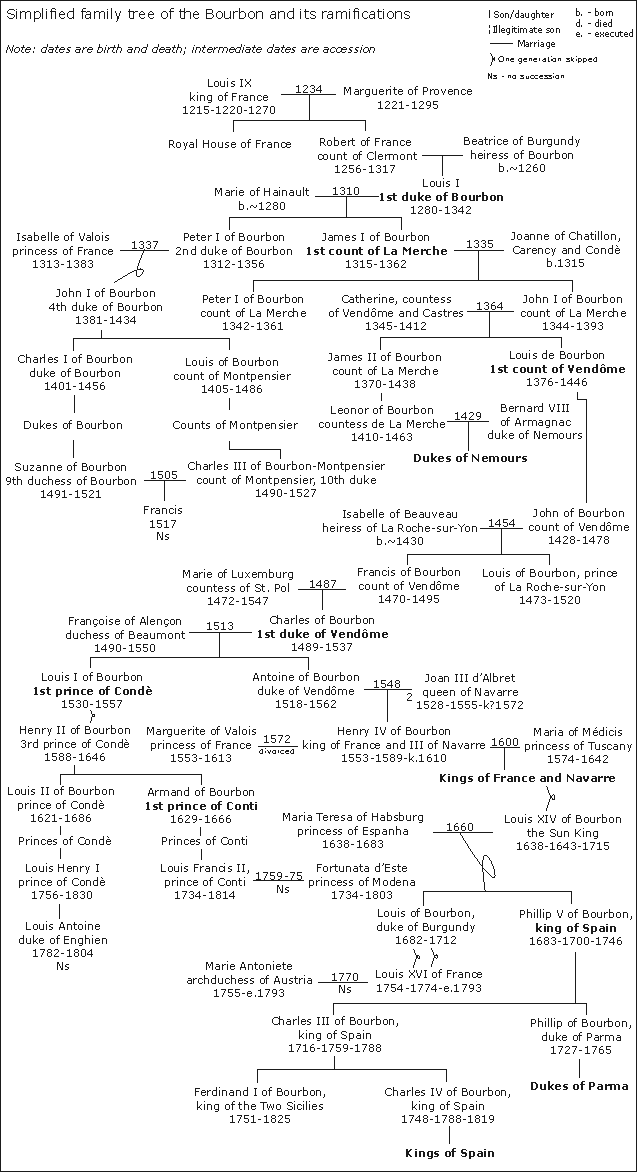
It can be said that every country that has ever had a monarch still has a hypothetical monarch, to whom the same selection rules apply, unless the whole family in question has been extirpated. The latter is almost impossible to achieve, as the cases of Russia and Ethiopia prove. There are probably collateral descendants of…
 The New Murrey and Blue blog