First Battle of St. Albans
-
The Traitor’s Arms?
“Defiance”, “Loveday”, Act of Accord, Agnes Sorel, allegory, Angevin bloodline, Arma Reversata, Ashperton, Ashperton monument, attainder, Blore Heath, Book of Hours, Calais, carvings, Catherine de Roet, Catherine de Valois, Charles VII, chivalry, Chrimes, Christmas, College of Heralds, Cornish rebellion, coronations, Courtauld Institute of Art, Coventry, crowns, Dunstable Chronicle, Earls of Salisbury, Edmund Crouchback, Edmund Duke of Somerset, Edward Hall, Edward IV, Edward of Lancaster, Edward the Black Prince, Elizabeth I, executions, First Battle of St. Albans, fleuur-de-lys, Fox-Davies, France, French College of Arms, Garter stalls, Gascony, Geoffrey Fisher, Great Seal, Hanseatic fleet, Helen Maurer, helmets, Henry Holland Duke of Exeter, Henry IV, Henry VI, Hereford Cathedral, Herefordshire, Hicks, high treason, Historia Anglorum, Hollands, Hon y soit qui mal y pense, House of York, Hugh Despencer, Hugh Despencer the Younger, Humphrey of Gloucester, Ian Mortimer, insanity, inverted arms, Ireland, Jack Cade, Jacques de Saint-George, James II, James VI/I, Jeanne d’Arc, Joan “Beaufort”, John of Bedford, John of Gaunt, Lancastrians, lions, livery collars, Lord of Misrule, Lord Protector of the Realm, Mary de Bohun, Matthew Parris, mortimer claim, Mortimer’s Cross, Nigel Saul, Nikolaus Pevsner, Normans, Northampton, Old St. Paul’s, Order of the Crescent, Order of the Garter, Owain Tudor, Parliament of Devils, Plantagenets, plaster mouldings, propaganda, Ralph Earl of Westmorland, Ralph Griffiths, renaissance, Rene d’Anjou, Restoration, reversed arms, Richard Beauchamp Earl of Warwick, Richard Duke of York, Richard of Salisbury, Rose Troup, Sandwich, Seine, Shakespeare, shields. royal arms, Sir Andrew Trollope, Sir Ralph Grey, squirrel, Staffords, stonemasons, swan badge, Switzerland, symbolism, the Beauforts., tombstones, tournaments, Treaty of Troyes, Tres Rich Heures, Warwick the Kingmaker, Westminster Abbey, Wigmore, William Duke of Suffolk, William Grandison, William Neville Lord Fauconberg, Windsor Castle, Woolhope ClubIn 1840 workmen carrying out repairs to St Bartholomew’s Church, Ashperton, Herefordshire were collecting stones from the ruins of a nearby manor house when they discovered a heavy stone plaque, carved with an elaborate coat of arms, among the rubble. The stone was taken to the church for safekeeping and has hung on the wall…
-
NEW BONES FROM THE TOWER–HOW LONG BEFORE THEY BLAME RICHARD FOR THESE TOO?
“Princes”, Anne Neville, Beaker Era, Bronze Age, Charles II, denialists, Edward of Warwick, Elizabeth Roberts, Elizabeth Woodville, First Battle of St. Albans, George Duke of Clarence, Henry Pole the Younger, Henry VII, human remains, Jane Shore, John Ashdown-Hill, John Everett Millais, Margaret of Salisbury, mtDNA, Osteology, radio carbon dating, Richard III, Tower of London, Weir, Will SlaughterRecently, archaeologists working at the Tower of London discovered the remains of two people, an adult woman age 35-45 and a child of about seven. Proper modern carbon dating has taken place and it is determined that the pair are from between 1450-1550. Osteological examination shows no signs of trauma on the bones, although the…
-
Henry VI: saint or sinner?
“Nicholas of the Tower”, Adam Moleyns, Archbishop Kemp, aristocratic lawlessness, Azincourt, Bertram Wolffe, biographies, Calais, Cardinal Beaufort, Charles VI, Charles VII, Christine Carpenter, debt, deposition, Duke of Orleans, Edmund Duke of Somerset, Eton, feudalism, First Battle of St. Albans, France, Great Council, Harfleur, Henry V, Henry VI, Henry VII, Humphrey of Gloucester, Hundred Years War, impeachment, insanity, Ireland, Jack Cade, John Blacman, John Duke of Bedford, John Duke of Suffolk, John Harvey, John Watts, Kent, King’s College Cambridge, Lord Protector of the Realm, majority, Margaret d’Anjou, Normandy, Parliamentary Roll, Polydore Vergil, Ralph Griffiths, Ralph Lord Cromwell, Readeption, Richard Duke of York, treason, Valois, Wakefield, William Duke of Suffolk, William TailboysA gentle and devotional life About seventy years ago, the historian John Harvey wrote this in an essay about King Henry VI: “The life and death, and the thwarting of his noble designs are one (sic) of the sorriest tragedies of English history. He was a victim of forces outside his control, for whose existence…
-
Collyweston is a small village in Northamptonshire, approximately three miles from the town of Stamford. It was not always so unassuming, however. In the 15th century there was a large fortified manor house that dominated Collyweston, of which today no trace remains above ground. The manor, sometimes known as ‘The Palace’ was first purchased by…
-
It was fortunate for Henry V that someone on the Orleanist side of politics decided to murder the Duke of Burgundy. This persuaded the new duke, Philippe the “Good” to take Henry’s side, a development which led to the Treaty of Troyes and Henry’s marriage to fair Catherine of France. Henry had by this time…
-
Thomas Stanley, or, the man with the evil beard….
“Perkin”, “Tudors”, Battle of Bosworth, Blore Heath, Cheshire, executions, First Battle of St. Albans, Henry of Buckingham, Henry VII, Lathom House, Lord High Constable, Lord Welles, Ludlow, Richard III, Second Battle of St. Albans, Sir William Stanley, Stoke Field, Tatton Park, Tewkesbury, Thomas Lord Stanley, Towton, treachery, Wakefield, Wars of the RosesFor anyone interested in knowing what made slippery Lord Stanley tick, here is an excellent evaluation, save that Sir William was executed for refusing to oppose “Perkin”, not for supporting him. The man was a born opportunist and survivor. Full stop. Oh, and he had an evil beard!
-
Richard III and Robert Cecil (Part II)
anti-Stratfordianism, Battle of Bosworth, Earls of Oxford, Edmund Duke of Somerset, executions, First Battle of St. Albans, historical fiction, Janet Reedman, Joanne Larner, John Tiptoft Earl of Worcester, Josephine Tey, kyphosis, Lord High Constable, Richard III, Robert Cecil, Rosemary Hawley Jarman, scoliosis, Shakespeare, Sharon Kay Penman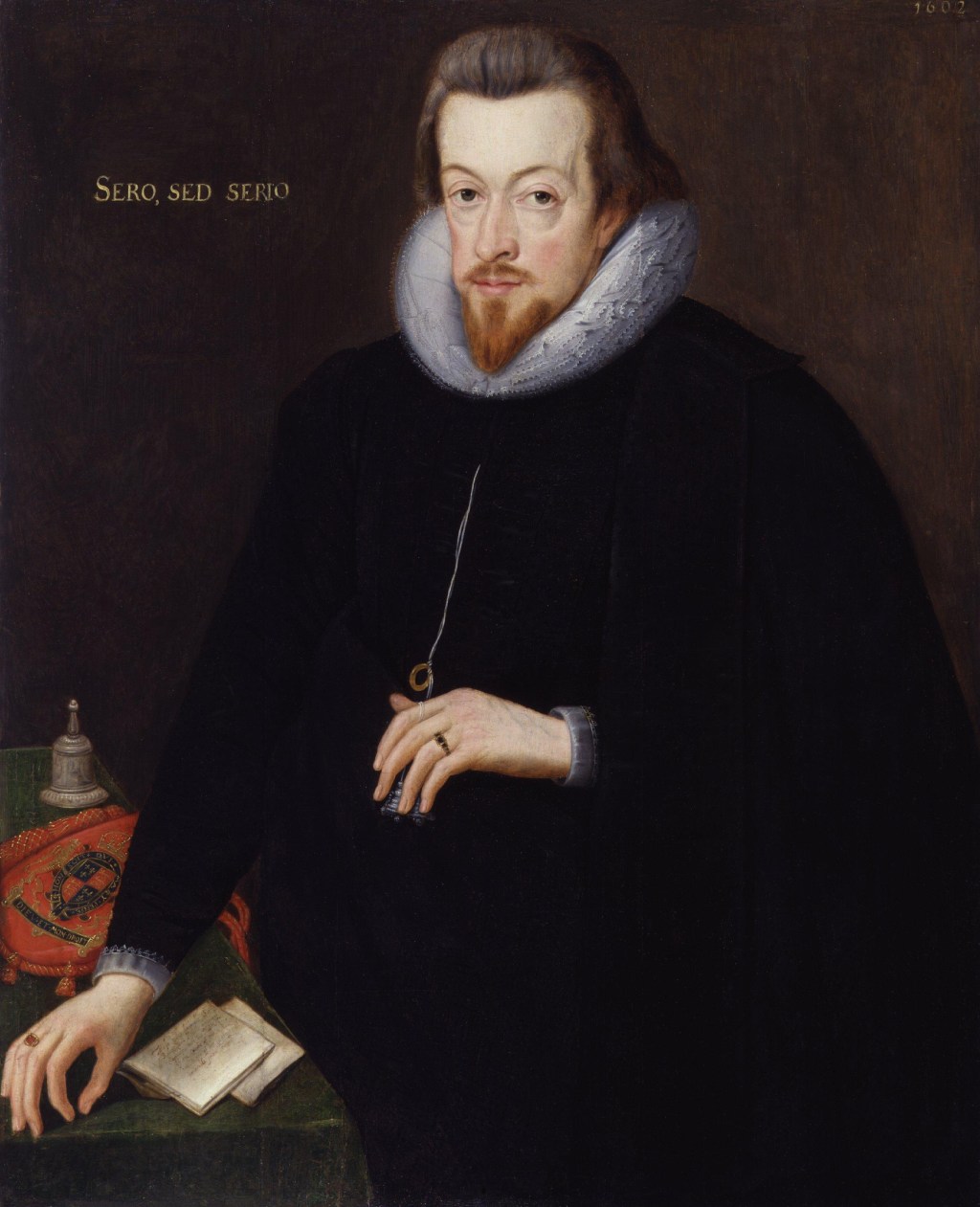
In a previous post, we explored the theory that Shakespeare’s Richard III was actually based on the Elizabethan politician, Robert Cecil. Here is another discussion of the subject, Richard III and Robert Cecil, with references to the hypothesis that Shakespeare was actually the 17th Earl of Oxford, a descendant of the previous Earls of Oxford…
-
Littlecote House in Wiltshire, now a Warner’s hotel (those with very long memories might remember it as a sort of theme park/tourist attraction in the 1980’s) is considered to be one of England’s most haunted houses. Amongst the many spooks that haunt its halls is a burning baby, said to be the spirit of a…
-
A MAN WHO WOULD BE KING: THE DUKE OF BUCKINGHAM AND RICHARD III
“Beauforts”, books, Buckingham rebellion, Edward IV, Edward of Buckingham, excepta dignitate regali, executions, First Battle of St. Albans, George Duke of Clarence, Henry of Buckingham, Henry VI, Henry VIII, High Steward, Humphrey Duke of Buckingham, Janet Reedman, Lady Margaret Beaufort, Lancastrians, Northampton, Richard III, Staffords, Tewkesbury, Thomas of woodstock, Tower of LondonThe Duke of Buckingham is rather a ‘dark horse’ figure in the history of Richard III. No one knows for sure why he aided Richard to take the throne only to turn upon him in rebellion a few months later. Simplistic ideas such as ‘he repented of his ways after the princes were murdered’ don’t…
 The New Murrey and Blue blog