executions
-
Richard III And The Tudor Genealogy — RICARDIAN LOONS
“Tudor” genealogy, Bertram Fields, Catherine de Valois, Colin Richmond, Dan Jones, Edmund “Tudor”, Edmund Duke of Somerset, Eleanor Beauchamp, executions, France, G.L.Harriss, Henry V, Henry VI, Henry VII, Henry VIII, Hereford Greyfriars, Humphrey of Gloucester, Jasper “Tudor”, John Ashdown-Hill, John Duke of Bedford, law change, Michael K Jones, Mortimer’s Croft, Owain Tudor, Parliament, proclamations, remarriage of royal stepmothers, Richard III, royal armsIt is generally acknowledged by historians that Henry Tudor, who defeated Richard III, the last Yorkist king, at Bosworth and went on to be crowned Henry VII, wasn’t the Lancastrian heir to the throne of England he claimed to be. His mother, Margaret Beaufort, was descended from John of Gaunt, the third surviving son of […]…
-
The fifth book in Toni Mount’s Foxley series about medieval murders. “She told us: ‘It is called The Colour of Murder and deals with even more medieval murders, including the mysterious death of The Duke of Clarence, one of the future Richard III’s brothers, who, tradition tells us was drowned in a wine barrel.’” Can only…
-
Joan of Arc and Les Soldats
Armagnacs, Azincourt, Battle of the Herrings, Bauge, Blois, Bluebeard, Burgundians, Carl Dreyer, Charles VII, Clement de Fauquebergue, Compiegne, Etienne de Vignolles, executions, France, George Bernard Shaw, Gilles de Rais, Henry Cardinal Beaufort, heresy, Jean Anouillh, Jean Benedetti, Jean Dunois, Jeanne d’Arc, John Duke of Bedford, John Earl of Shrewsbury, le Mans, Loire, Louis d’ Orleans, Mark Twain, mass murder, Orleans, Otto Preminger, Parlement de Paris, prophecy, Rheims, Siege of Paris, siege of Rouen, Sir John Fastolf, St. Catherine, St. Michael, Thomas Kenneally, Verneuil, William Duke of Suffolk, William Glasdale, witchcraftToday marks the 587th anniversary of the death of Joan of Arc, burned at the stake at Rouen, France. As the flames engulfed her, she clutched a cross made of sticks to her bosom, fashioned by an ordinary English solder. “Jesus!” was her last word. She was 19 years old. In 1920, almost…
-
As you probably know, the list of women who have been beheaded in England is very short. Helena Bonham Carter has played two of them so far – Lady Jane (1554) in 1986 and Anne Boleyn (1536) (opposite Ray Winstone’s Henry VIII on ITV) in 2003 and I heard that she was about to play a royal…
-
UPDATED POST AT sparkypus.com A Medieval Potpourri https://sparkypus.com/2020/06/17/anne-mortimer-and-richard-of-conisburgh-a-love-match/ THE TOMB THAT IT IS BELIEVED ANNE MORTIMER SHARES WITH HER IN-LAWS, EDMUND OF LANGLEY AND ISABELLA OF CASTILE…CHURCH OF ALL SAINTS, KINGS LANGLEY Some time during the month of May 1408 , were married Richard III’s paternal grandparents, Anne Mortimer and Richard of Conisburgh. She was just…
-
Britain’s most historic towns
“Tudors”, Alice Roberts, Battle of Bosworth, Belfast, canary, Channel Four, Cheltenham, Chester, ducking stool, Earl of Oxford, Edward VI, Elizabeth I, executions, fools, Foxe’s Book of Martyrs, Francis Kett, Henry VII, Henry VIII, heresy, Jasper “Tudor”, justice, Kett Rebellion, Lollards’ Pit, Lord Chamberlain’s Men, Low Countries, Mary I, medieval clothes, Morris dancing, Mousehold Heath, Norwich, Norwich Guildhall, pubs, punishments, Reformation, refugees, Robert Kett, Shakespeare, sumptuary laws, weavers, Wensum, Will Kemp, Winchester, YorkThis excellent Channel Four series reached part four on 28th April as Dr. Alice Roberts came to Norwich, showing streets, civic buildings and even a pub that I have previously visited, describing it as Britain’s most “Tudor” town. She began by describing Henry VII as “violently seizing” the English throne (or at least watching whilst…
-
Henry Tudor certainly didn’t have it all his own way after Bosworth, although his incredible luck held – as it did throughout his life, except for losing his wife and eldest son. He didn’t replace the first, but had a spare for the second. Richard III had not had that luxury. But in 1486, during…
-
Richard III and Robert Cecil (Part II)
anti-Stratfordianism, Battle of Bosworth, Earls of Oxford, Edmund Duke of Somerset, executions, First Battle of St. Albans, historical fiction, Janet Reedman, Joanne Larner, John Tiptoft Earl of Worcester, Josephine Tey, kyphosis, Lord High Constable, Richard III, Robert Cecil, Rosemary Hawley Jarman, scoliosis, Shakespeare, Sharon Kay Penman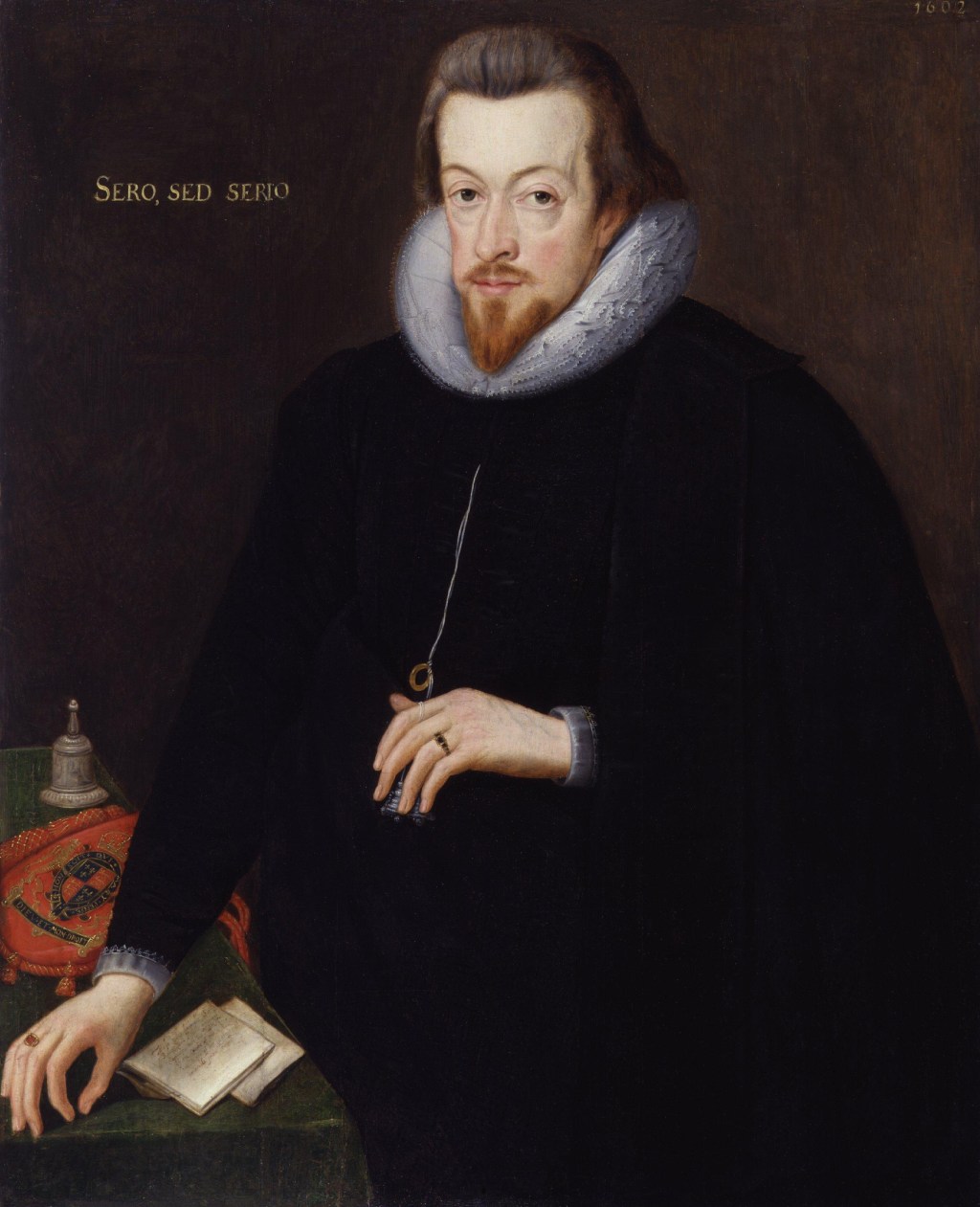
In a previous post, we explored the theory that Shakespeare’s Richard III was actually based on the Elizabethan politician, Robert Cecil. Here is another discussion of the subject, Richard III and Robert Cecil, with references to the hypothesis that Shakespeare was actually the 17th Earl of Oxford, a descendant of the previous Earls of Oxford…
-
I have been asked for an opinion about Dan Jones and the Templars, and so have delved around for an impression of Jones’ thoughts on the subject. I know nothing about him, and so started from scratch, so to speak. What follows is an assessment from someone who was considering acquiring the book. A YouTube…
-
How Edward IV ascended the throne of England….
“Beauforts”, “Tudors”, cartoons, Castile, Catherine de Roet, Edmund Duke of Somerset, Edmund of Langley, Edmund of Rutland, Edward IV, Edward of Lancaster, Edward the Black Prince, executions, George Duke of Clarence, Henry II, Henry IV, Henry VI, Henry VII, humour, John of Gaunt, Lancastrians, Lionel of Antwerp, Margaret d’Anjou, Matilda, Mortimers, Phillippa of Lancaster, Richard Duke of York, Richard II, Richard III, Richard of Warwick, Shakespeare, SHW, Stephen, Tewkesbury, Tower of London, usurpation, Wakefield, Wars of the Roses, York, YorkistsThe Wars of the Roses did not commence, à la Bard, with white and red roses snatched and brandished in a garden by opposing lords, but they were foreshadowed at the turn of the fifteenth century when Henry of Bolingbroke, Duke of Lancaster, usurped and murdered Richard II. Bolingbroke was the son and heir…
 The New Murrey and Blue blog