Earl of Northumberland
-
The King’s bishop? What did John Russell know in 1483?
“Beauforts”, “Princes”, “Tudor” propaganda, AJ Pollard, Alison Hanham, Armstrong, Battle of Bosworth, Bishops, British Library, Chancery Court, Charles Ross, conspiracies, Crowland Chronicle, Dr. John Argentine, Earl of Northumberland, Edward IV, Francis Lovell, George Cely, Great Seal, Harleian Manuscript 433, Henry of Buckingham, Henry VII, Hicks, illegitimacy, Jane Shore, John Howard Duke of Norfolk, John Morton, John Russell, John Shirwood, John Smith, John Stow, judiciary, Lady Eleanor Talbot, Lady Margaret Beaufort, letters, Lincoln, Louise Gill, Ludgate, Mancini, Minster Lovell, More, oyer and terminer, Pamela Tudor-Craig, Paul Murray Kendall, Peter Hammond, regicide?, Richard III, Robert Russe, Robert Stillington, Rosemary Horrox, Royal Household, Sherlock Holmes, Simon Stallworth, Sir Anthony Wydeville, Sir William Stonor, Stephen Ireland, theories, Thomas Langton, Thomas Lynom, Titulus Regius, Tower of London, treason, Vatican City, Viscount Welles, Westminster Abbey, William Davey, Wydevilles“ ‘Is there any other point to which you would wish to draw my attention?’ ‘To the curious incident of the dog in the night time’ ‘The dog did nothing in the night time’ ‘That is the curious incident ‘ remarked Sherlock Holmes.”[1] By applying his reasoning to this simple observation, the world’s…
-
Edmund Mortimer 5th Earl of March
Anne Stafford, Battle of Shrewsbury, Constance of York, Earl of Northumberland, Earldom of March, Edmund Mortimer, Edmund of Langley, Harfleur, Harlech Castle, Henry IV, Henry V, Humphrey of Gloucester, Ian Mortimer, Iolo Goch, Ireland, John Holland, King’s Council, Mortimers, Normandy, Owain Glyn Dwr, Pevensey Castle, plot, Richard Earl of Cambridge, Richard II, Roger Mortimer, Sir Hugh Waterton, Sir John Mortimer, Sir Thomas Grey, Southampton, Thomas Earl of Surrey, Thomas of woodstock, Tripartite Alliance, Wales, Windsor CastleEdmund Mortimer, later 5th Earl of March, was born on 6 November 1391. His parents were Roger Mortimer, Earl of March (1374-1398) and his wife, the well-connected Alianore Holland, daughter of Thomas Earl of Kent. In the view of many people, including the Westminster Chronicler, and the Welsh poet Iolo Goch (c1320-1398) Earl Roger was…
-

Cat trolls are credited for being wiser than human trolls, who are well known for being wotless, boring and prone to making gaffes… A group of cats, known as a moggle, have been discovered by their incredulous owners, to have been routinely trolling. Not only that but the surprised owners discovered that the felines…
-
Picture this, as Blondie once sang:- “…[In 1486] many of the southern nobility and prominent gentry of the kingdom accompanied Henry VII on what an attendant herald described as the first progress of his reign. This took them to Nottingham and then after Easter onwards toward York. “And by the wayside in barnesdale, a littil…
-
Uncle Richard?
“Princes”, art, Battle of Bosworth, Cecily Neville, Charles II, Civil War, Danny Dyer, David Garrick, Earl of Northumberland, Elizabeth Tyrrell, Elizabeth Wydeville, Frances Wray, genealogy, George Neville, Gipping Chapel, Henry of Buckingham, Joan Haute, John Neville Marquis of Montagu, John of Gaunt, Katherine Haute, Lady Margaret Beaufort, Margaret of Salisbury, Percies, Richard III, Richard of Warwick, Richard Woodville, Robert Cecil, Shakespeare, Sir Henry Vane, Sir James Tyrrell, Stowmarket, Thomas Snellgrove, William Brandon, William Cecil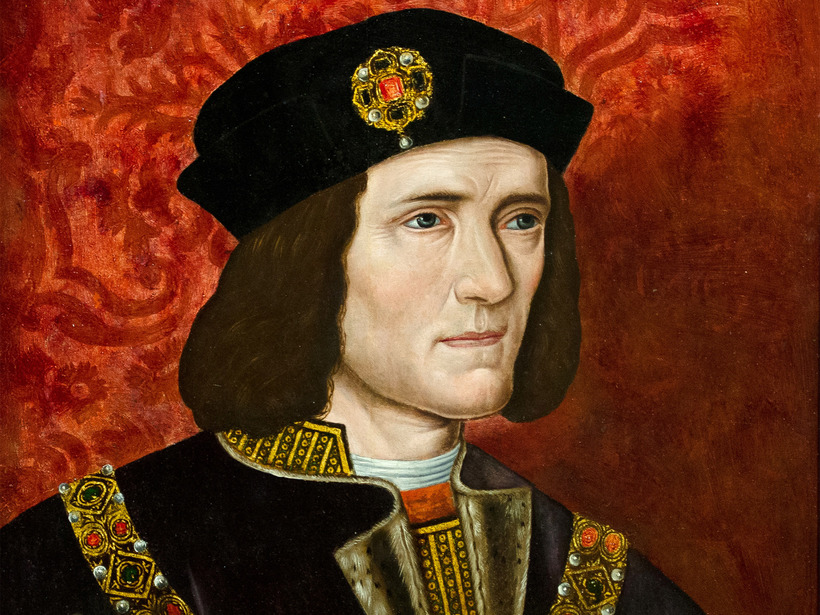
A long time ago, I posted a short article about one of my ancestors, Thomas Snellgrove, who was a portrait artist and painted an actor portraying Richard III. Here is the link. I have been researching my family history for over thirty years and it used to be a very slow and painstaking process. The…
-
Miles Metcalf, or how the city of York defied Henry VII…
Archbishop of York, Bosworth, Coventry, Earl of Northumberland, Edward IV, Exeter, Francis Bacon, Guy Fairfax, Henry VII, John Vavasour, maps, Miles Metcalf, Norwich, Richard Green, Richard III, riots, Sir Thomas Metcalfe, Stoke Field, Tewkesbury, Thomas Cromwell, Thomas Middleton, York, York civic recordsIn a book called The Fifteenth Century – 3: Authority and Subversion, edited by Linda Clark, there is an interesting essay by James Lee entitled Urban Recorders and the Crown in Late Medieval England. I have taken from the article to illustrate the situation of the city of York with regard to the vital position…
-
LORD OF THE NORTH
“Tudor” “sources”, AJ Pollard, Anne Sutton, Annette Carson, arbitration, Armstrong, Charles Ross, Council of the North, Dockray, Earl of Northumberland, Edward IV, elections, fishgarths, Fran, Francis Viscount Lovell, Gairdner, George Duke of Clarence, Henry VII, Hicks, hunting, John Earl of Lincoln, John Kendall, John Morton, justice, Lady Margaret Beaufort, Lansdale and Boon, Lawrence Booth, Long Parliament, Lord High Constable, Lord of the North, Lord Scrope of Bolton, Lord Slim, loyalty, Mancini, Middleham, Nevilles, offices, Paul Murray Kendall, Peter Hammond, Piers Gaveston, Pontefract, Rachel Reid, Reformation, Richard III, riots, Robert Aske, Sandal Castle, Sandhurst, Scotland, Scottish Marches, Sir James Harrington, Sir James Tyrrell, Sir Peter de la Billiere, Sir Ralph Assheton, Sir Richard Ratcliffe, Sir Robert Percy, Thomas Lord Stanley, William Langland, Winston Churchill, Woodvilles, York civic records, YorkshireRichard duke of Gloucester: courage, loyalty, lordship and law[1] “ Men and kings must be judged in the testing moments of their lives Courage is rightly esteemed the first of human qualities because, as has been said, it is the quality that guarantees all others.” (Winston Churchill 1931) Introduction I do not suppose…
-
KING’S GAMES: A MEMOIR OF RICHARD III
Anne Neville, Battle of Bosworth, book review, Cecily Duchess of York, character, Earl of Northumberland, Edmund of Rutland, Edward IV, Francis Lovell, George Duke of Clarence, Henry of Buckingham, Henry VII, historical fiction, Isobel Neville, Josephine Tey, King’s Games, Minster Lovell, Nance Crawford, Paul Murray Kendall, Richard III, Shakespeare, Sir William Stanley, Stoke Field, Thomas Lord StanleyA Verse Play in Two Acts with Commentaries By Nance Crawford “The play’s the thing wherein I’ll catch the conscience of the king” (Hamlet) To be honest, I am not much taken with modern Ricardian fiction. I think that in the last five centuries too much fiction and too little fact has been written about…
 The New Murrey and Blue blog