Anglo-Saxons
-
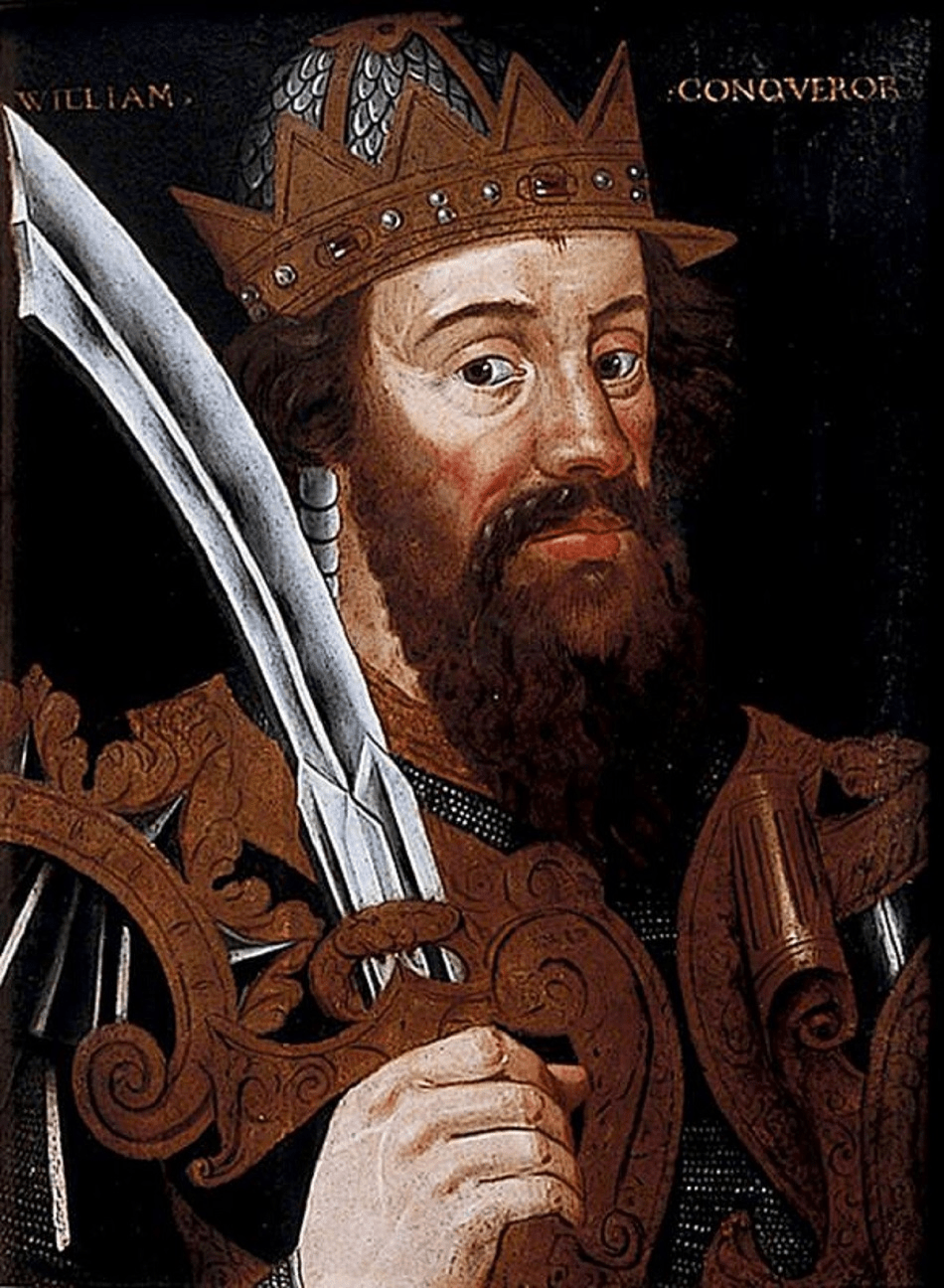
For some years I have set my novels in the last years of Plantagenet reign, or the first years of the Tudor dynasty. William the Conqueror Many authors of historical fiction prefer to set their books in the Georgian or Regency periods, but tor me the Plantagenet dynasty was one of the most interesting…
-
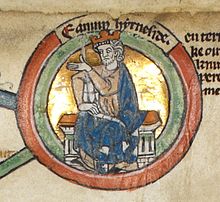
Edmund II (Ironside) is a curiosity among English Kings. He reigned for barely seven months, succeeding his father Ethelred II (Unraed) on St. George’s Day 1016 but dying “in suspicious circumstances” on St. Andrew’s Day the same year. He was the half-brother of Edward the Confessor and grandfather of Edgar the Atheling, thus the ancestor…
-
You see them everywhere, leering down with seemingly pagan glee from the height of church naves, or looking down from the broken walls of monasteries such as Fountains. Often quite fierce of aspect, sometimes more calm and wise, leaves surround them and tendrils of foliage spurt from nose and mouth in riotous abundance. Green Men–origins…
-
Originally posted on Giaconda's Blog: The common thread that runs through Anglo-Saxon poetry like the golden coils of a Sutton Hoo serpent is the nostalgic pain of longing for lost things. Again and again the same phrases are spoken in ‘Beowulf’ and in poems like ‘The Seafarer’ and ‘The Wanderer’. It feels as if one were…
-
Originally posted on Giaconda's Blog: The Viking settlement at Jorvik, modern day York, is the largest excavated Viking site in England. Jorvik was an important trading centre due to its river links along the Ouse to the Humber estuary and North Sea and also an important political centre, the largest of the of the six fortified Viking…
-
Originally posted on Giaconda's Blog: “After nourishment, shelter and companionship, stories are the thing we need most in the world.” ~ Philip Pullman I was recently asked to visit my daughter’s class and talk to them about archaeology and what we can find out about past cultures from the physical remains that are left behind. The…
-
A section of the Bayeaux Tapestry showing the death of Harold II Hulton Archive/Getty Images http://www.independent.co.uk/news/science/archaeology/five-missing-kings-and-queens-and-where-we-might-find-them-a6798966.html I think we should all get out our trowels and knee-pads to go digging around again!
-
… is likely to have stood on the site of St. Nicholas’ Church, a mere quarter of a mile from St. Martin’s, which has succeeded it. As a Cathedral, it dated from about the seventh century, serving during the reigns of many of Richard III’s ancestors, but was abandoned by c.875 because of the Viking…
 The New Murrey and Blue blog