Alison Hanham
-
The King’s bishop? What did John Russell know in 1483?
“Beauforts”, “Princes”, “Tudor” propaganda, AJ Pollard, Alison Hanham, Armstrong, Battle of Bosworth, Bishops, British Library, Chancery Court, Charles Ross, conspiracies, Crowland Chronicle, Dr. John Argentine, Earl of Northumberland, Edward IV, Francis Lovell, George Cely, Great Seal, Harleian Manuscript 433, Henry of Buckingham, Henry VII, Hicks, illegitimacy, Jane Shore, John Howard Duke of Norfolk, John Morton, John Russell, John Shirwood, John Smith, John Stow, judiciary, Lady Eleanor Talbot, Lady Margaret Beaufort, letters, Lincoln, Louise Gill, Ludgate, Mancini, Minster Lovell, More, oyer and terminer, Pamela Tudor-Craig, Paul Murray Kendall, Peter Hammond, regicide?, Richard III, Robert Russe, Robert Stillington, Rosemary Horrox, Royal Household, Sherlock Holmes, Simon Stallworth, Sir Anthony Wydeville, Sir William Stonor, Stephen Ireland, theories, Thomas Langton, Thomas Lynom, Titulus Regius, Tower of London, treason, Vatican City, Viscount Welles, Westminster Abbey, William Davey, Wydevilles“ ‘Is there any other point to which you would wish to draw my attention?’ ‘To the curious incident of the dog in the night time’ ‘The dog did nothing in the night time’ ‘That is the curious incident ‘ remarked Sherlock Holmes.”[1] By applying his reasoning to this simple observation, the world’s…
-
TREASON 2 – The Parliament Of Devils, 1459
“Loveday”, Alison Hanham, Anthony Goodman, attainder, Bellamy, Bertram Wolffe, Blore Heath, Calais, Cecily Duchess of York, Chris Givern-Wilson, Colehill, Coventry, Edmund of Rutland, Edward IV, First Battle of St. Albans, forfeiture, Garter King of arms, Henry VI, Jack Cade, John Duke of Somerset, Kenilworth, Kent, Lancastrians, Ledbury, Lord Audley, Lord Powis, Lord Protector of the Realm, Ludford Bridge, Ludlow, Margaret of Anjou, Market Drayton, Merciless Parliament, Middleham, Parliament of Devils, Paul Murray Kendall, Ralph Griffiths, Richard Duke of York, Richard of Salisbury, Richard of Warwick, Rosemary Horrox, Severn, Sir Andrew Trollope, Sir henry Radford, St. Paul’s, Thomas Lord Stanley, treason, Treason Acts, Walsall, Walter Devereux, Wars of the Roses, William Duke of Suffolk, Worcester, YorkistsIntroduction This is the second of two articles I have written about treason. In the first article, I wrote about the Merciless Parliament of 1388 at which eighteen of king Richard II’s closest advisors and friends were tried by parliament and condemned as traitors, against the king’s wishes. In this article I am writing about…
-
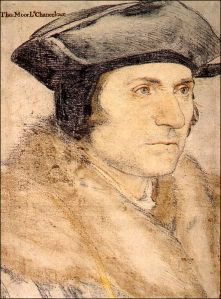
(by Annette Carson) On the matter of sources that are usually cited for the origin of Richard III’s blackened reputation, it occurs to me that I’ve done quite a lot of reading lately around Thomas More’s influential Richard III, which means I have been delving more deeply into the analyses published in the Appendix to…
-
For fans of historical music one of the highlights of the reinterment festivities in Leicester earlier this year was “Concert for a King”, an evening with music from the time of Richard III performed by the a capella group Aitone and guest instrumentalist Susan Burns, with contemporary texts read by Dr. Tony Bentley. It took…
-
The reaction to the first part of “Kendall 2014” has been interesting. “According to Williams, Brampton was sent to Portugal as early as 22 March 1485, only six days after Anne’s death. ‘Brampton brought a double proposal to Portugal – for Richard to marry Joanna and for Elizabeth of York to marry…John, Duke of Beja…In…
 The New Murrey and Blue blog