sources
-
Richard III And The Tudor Genealogy — RICARDIAN LOONS
“Tudor” genealogy, Bertram Fields, Catherine de Valois, Colin Richmond, Dan Jones, Edmund “Tudor”, Edmund Duke of Somerset, Eleanor Beauchamp, executions, France, G.L.Harriss, Henry V, Henry VI, Henry VII, Henry VIII, Hereford Greyfriars, Humphrey of Gloucester, Jasper “Tudor”, John Ashdown-Hill, John Duke of Bedford, law change, Michael K Jones, Mortimer’s Croft, Owain Tudor, Parliament, proclamations, remarriage of royal stepmothers, Richard III, royal armsIt is generally acknowledged by historians that Henry Tudor, who defeated Richard III, the last Yorkist king, at Bosworth and went on to be crowned Henry VII, wasn’t the Lancastrian heir to the throne of England he claimed to be. His mother, Margaret Beaufort, was descended from John of Gaunt, the third surviving son of […]…
-
UPDATED POST AT sparkypus.com A Medieval Potpourri https://sparkypus.com/2020/05/18/crosby-place-home-to-the-duke-and-duchess-of-gloucester/ The arms of Richard III in Crosby Hall On June 5th 1483 the Duchess of Gloucester arrived in London and joined her husband at Crosby Place (1). She had left both her small son and and home at Middleham to join her husband, who had been staying…
-
One of Richard’s letters is included in this upcoming museum exhibition. Unfortunately for those on this British side of the Atlantic, the museum in question is in New York! The Magic of Handwriting: The Pedro Corrêa do Lago Collection will run from June 1 to September 16, 2018 at the Morgan Library and Museum in…
-
“The Canterbury Roll is the most significant and substantial medieval artefact in New Zealand. For 100 years, UC has been the guardian of this unique 600-year-old treasure, which tells the history of England from its mythical origins to the late Middle Ages….” The above is a tantalising reference to a roll that promises to reveal…
-
Am I alone in always having imagined that John de la Pole’s wife, Margaret Fitzalan, Countess of Lincoln, was a woman of childbearing age? Somehow I just took it as read, and thus that their apparent lack of heirs was a nasty trick of nature. Chance caused me to check for more information about this daughter of…
-
Was a chapel for the House of York planned at Westminster Abbey in 1483…?
Canterbury Cathedral, Chertsey, Dean Stanley, Edmund of Rutland, Edward IV, Elizabeth of York, Fotheringhay, foundation stones, George Duke of Clarence, Henry VI, Henry VII, John Steane, Lady Chapel, pilgrims, Pontefract, reburials, Richard III, royal tombs, St. george’s Chapel, St. Thomas, Tewkesbury Abbey, Westminster Abbey, Windsor CastleA short while ago, I came upon a reference to the foundation stone of Henry VII’s chapel in Westminster Abbey (visible in this illustration of the abbey as it may have been in the Tudor period) have been laid first in April 1483. It was from here, as follows:- “. . .Elizabeth [of York] was given…
-
While doing some research, I came upon a beautiful 15th century scroll of Edward IV on the website of the Philadelphia Free Library, showing the King’s full line of descent with stunning imagery and symbolism. What was particularly interesting was that Edward also used, as did Henry Tudor, the image of the Red Dragon in…
-
THE MYSTERIOUS DEATH OF EDWARD IV
Annette Carson, apoplexy, chill, cold, Commines, Croyland, Easter, Edward IV, Hall, History of the English Speaking People, Jean Molinet, John Ashdown-Hill, malaria, Mancini, Palace of Westminster, poison, R.E. Collins, Secret History, The Maligned King, The Private Life of Edward IV, Thomas More, treaty of Arras, William of Worcester, Winston ChurchillUPDATED POST AT sparkypus.com https://sparkypus.com/2020/05/27/the-mysterious-death-of-edward-iv/ Edward IV 1442-1483 For a king whose reign is otherwise well documented it is curious that the cause of Edward’s death remains a mystery. It would appear that his death was unexpected. It seems he was first taken ill at the end of March and despite having access to some of…
-
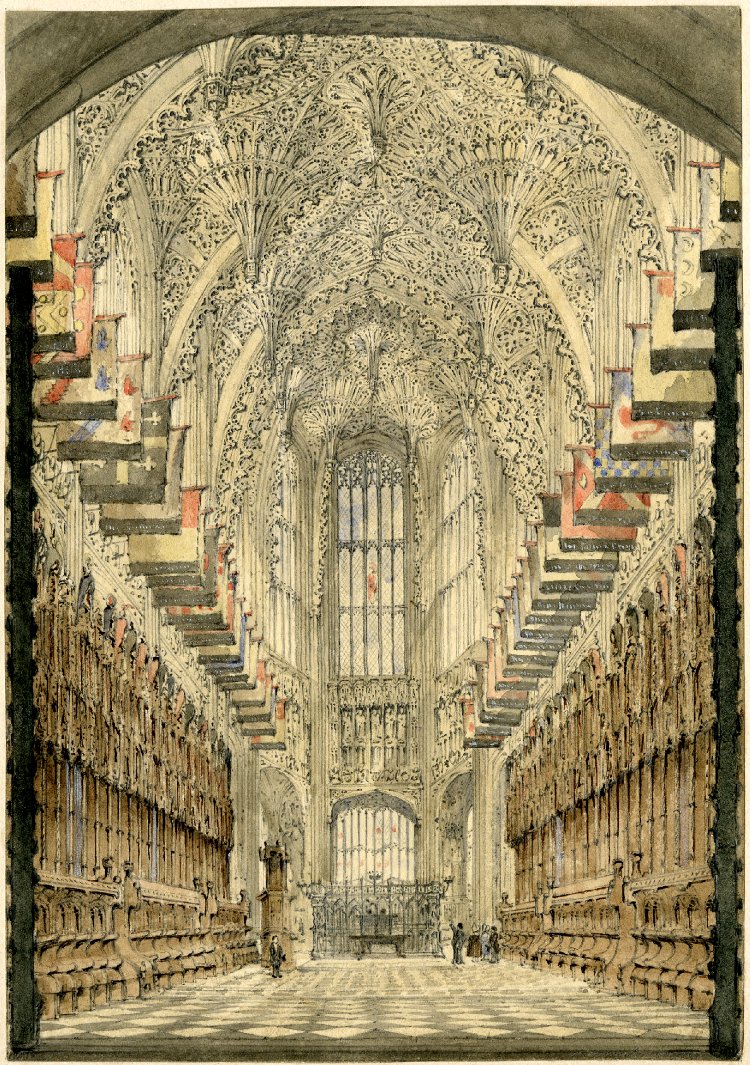
UPDATED POST @ sparkypus.com A Medieval Potpourri https://sparkypus.com/2020/05/14/the-bones-in-the-urn-again-a-17th-century-hoax/ 19th century painting of the Henry VII Chapel by an unknown artist. The entrance to the area where the urn stands is to the left of the tomb of Henry VII Helen Maurer, in her wonderful article, Whodunnit: The Suspects in the Case mentioned in the notes ‘As for why…

