religion
-
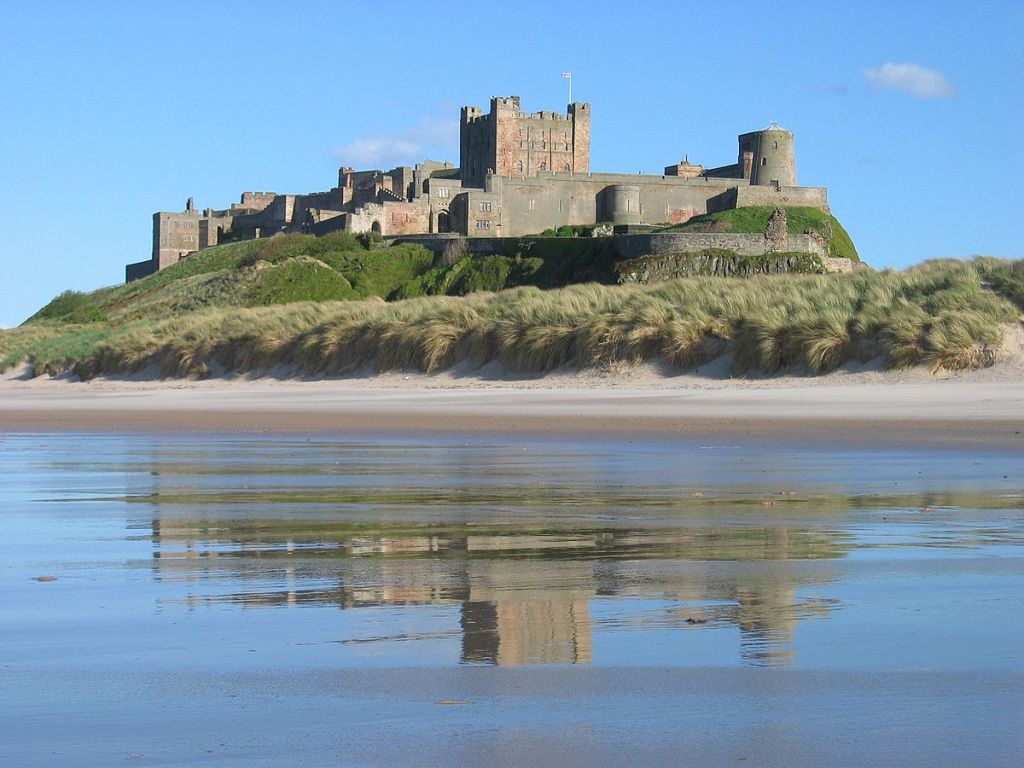
Bamburgh Castle is a site with a long, frequently dramatic history. A wooden Saxon fortress built by Ida the Flame-bearer, a place frequented by saints such as Oswald and Aidan, a seemingly impregnable fortress attacked by William Rufus with his siege castle ‘Evil Neighbour’, and the first English castle to fall to cannon-fire, when Warwick…
-
Did ANYONE do the dirty deed in the Tower….?
“Perkin”, “Tudor” propaganda, Battle of Bosworth, Cicely Plantagenet, Domenico Mancini, Edward IV, Edward of Middleham, Edward V, Elizabeth Wydeville, executed women, Henry of Buckingham, Henry VII, illegitimacy, Jack the Ripper, Jane Shore, John Howard Duke of Norfolk, John Morton, Lady Eleanor Talbot, Margaret Duchess of Burgundy, Patricia Cornwell, pre-contract, Richard III, Richard of Shrewsbury, Robert Stillington, royal apartments, Sir James Tyrrell, Stanleys, Talbots, Tower of London, Tyrrell “confession”, Viscount Welles, William Lord Hastings, WydevillesIf you go to this link this article you’ll find an interesting if challengeable article about “Perkin Warbeck” and whether he could or could not have been Richard of Shrewsbury. Well, there were enough people who thought he was, and to make Henry Tudor’s existence thoroughly miserable. Pleasant thought. The article also discussed who might…
-
Well, while it seems the Queen wants awkward bones to be left tucked up in their urn in Westminster Abbey, Prince Charles is more curious about the whole “Princes in the Tower” mystery. Maybe he’ll even probe enough to reveal the truth at last. I do hope so! To read more, go to This Express…
-
“….During the medieval period, this site north of the 14th-century Guildhall was the location of York’s Augustinian friary, known to have hosted Richard III when he was the Duke of Gloucester. The YAT team uncovered several structures linked with the friary, including a series of large ovens, which may have been part of the kitchens….”…
-
This is another Legendary Ten Seconds production, principally about the ancient building in Torquay, but it is one track on an album about the wider history of Torbay. Torre Abbey, which dated from about 1096, was dissolved without significant resistance in 1539 and is principally an art gallery as well as part of the Agatha…
-
“….Edward III’s great-great-grandsons then fought in the 15th century War of the Roses which put infamous King Richard III on the throne…. “….Henry VII eventually took over from him, backed by his marriage to Mary of York, and produced Henry VIII, who created Protestantism via the 16th-century reformation….” The above is an extract from this…

