battles
pilltown
-
Richard III and Robert Cecil (Part II)
anti-Stratfordianism, Battle of Bosworth, Earls of Oxford, Edmund Duke of Somerset, executions, First Battle of St. Albans, historical fiction, Janet Reedman, Joanne Larner, John Tiptoft Earl of Worcester, Josephine Tey, kyphosis, Lord High Constable, Richard III, Robert Cecil, Rosemary Hawley Jarman, scoliosis, Shakespeare, Sharon Kay Penman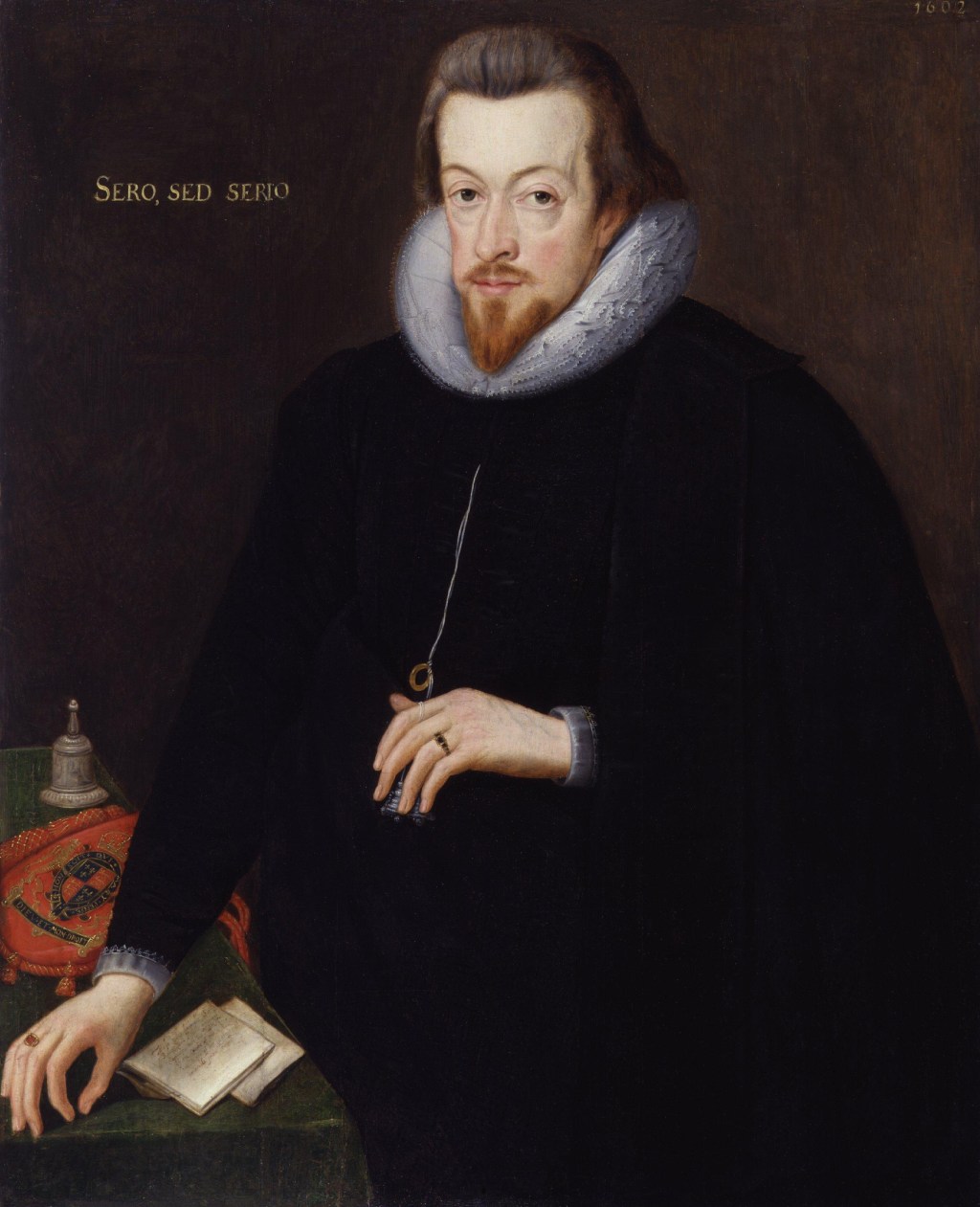
In a previous post, we explored the theory that Shakespeare’s Richard III was actually based on the Elizabethan politician, Robert Cecil. Here is another discussion of the subject, Richard III and Robert Cecil, with references to the hypothesis that Shakespeare was actually the 17th Earl of Oxford, a descendant of the previous Earls of Oxford…
-
The Howards, Talbots and Seymours – England’s auxilliary royal families?
Admiral Charles Rodney, Admiral Thomas Seymour, Anne Boleyn, Catherine Howard, Charles II, Dukes of Somerset, Edward IV, George IV, George V, Henry VIII, Howards, James of Monmouth, Jane Seymour, John Ashdown-Hill, John Howard Duke of Norfolk, Lady Eleanor Talbot, Laura Culme-Seymour, Lucy Walter, Maria Smythe, Miranda Hart, naval families, Royal Marriage Secrets, Seymours, TalbotsThis document shows the descent of the known “wives”, secret wives, mistresses, illegal wives and alleged partners of five English and British kings, taken from Ashdown-Hill’s Royal Marriage Secrets: thosehowardsagain As a bonus, Laura Culme-Seymour, from a naval family, including Admiral Thomas Lord Seymour; Admiral Rodney and the first three Culme-Seymour baronets, has a famous…
-
It occurred to me today that when it comes to being so very supportive of Richard III, we are helped (in a manner of speaking) by Henry Tudor being such a visual horror. Yes, truly. He was ugly inside and out. Loathsome. And his legacy of the House of Tudor was only brightened by Elizabeth…
-
Timelines for our kings and queens are always interesting, especially if they are, or seem to be, quite accurate. Richard’s is, and he isn’t accused of doing away with his nephews. The bald facts and the dates are presented. Above you will see a snip of the beginning of his section. I imagine all the other…
-
BLOOD OF ROSES (A Novella of Edward IV’s Victory at Towton)
Bloody Meadow, Castleford, Cock Beck, Croft Castle, Edmund of Rutland, Edward IV, Flower of Craven, Henry VI, Hereford, Janet Reedman, Jasper “Tudor”, Joan “Beaufort”, John Mowbray Duke of Norfolk, London, Lord Clifford, Lord Fitzwalter, Margaret d’Anjou, Mortimer’s Cross, Orleans, Owain Tudor, Palm Sunday, parhelion, Ralph Earl of Westmorland, Ricardian fiction, Richard Duke of York, Richard of Warwick, Second Battle of St. Albans, snowstorm, sunne in splendour, Towton, Towton Chapel, Wakefield, William Neville Lord Fauconberg, YorkshireRichard, Duke of York and his second son Edmund were killed at the battle of Wakefield at the bitter end of 1460. Within weeks, the Duke’s eldest son Edward was on the road with a mighty army, seeking revenge–and a crown. The novella BLOOD OF ROSES by J.P. Reedman covers the period from the Duke’s…
-
Stealing women (and also male wards) was a shamefully common event, especially in the 14th century, as I wrote yesterday. But it was still going on in the 15th century. Richard legislated on behalf of women, but so did Henry VII, with a 1487 “Acte against taking awaye of Women against theire Willes”. The following…
-
Carol’s support for King Richard has led her to write this book about his childhood. In the spring there will be another book, following his life until the fateful Battle of Bosworth on 22nd August, 1485. I hope both titles do really well for her, and that she will find another aspect of Richard, or…
-
Here is an interesting thought. What might have happened to Anne Neville had she outlived Richard? I quote: “A question that arises is what would have happened to Anne had she lived? It is unlikely that her survival would have affected the result of Richard’s loss at Bosworth in any way and it is highly…
-
Men of Harlech
“Men of Harlech”, Barmouth, Dafydd ab Ifan ab Einion, Denbigh, Earl of Pembroke, Edward I, Edward IV, France, Harlech Castle, Hedgeley Moor, Henry VI, Hexham, Hundred Years War, Jack Cade, Jasper “Tudor”, John Oxenford, Margaret d’Anjou, Matthew Gough, Northampton, Richard III, Rouen, Scotland, siege of harlech, Sir Richard Herbert, Sir Richard Tunstall, Towton, Wales, Wars of the Roses, William Herbert Earl of Huntingdon
In March 1461, the Lancastrian forces of King Henry VI were decisively thrashed at Towton, the Yorkist army of King Edward IV winning the day after a bitter and close-fought battle. After that, England fell into the hands of the first Yorkist king. At least, that is what Edward would have liked. In truth, repeated…
-
On the left is Charles, 2nd Earl Grey and Prime Minister from 1830-4, after whom the popular bergamot-infused blend was named and during whose premiership the final abolition of slavery and a parliamentary Reform Act were passed. Charles was a Northumbrian by birth and his mother, Elizabeth, was also a Grey, as were at least…

