anniversaries
-
Richard III and Robert Cecil (Part II)
anti-Stratfordianism, Battle of Bosworth, Earls of Oxford, Edmund Duke of Somerset, executions, First Battle of St. Albans, historical fiction, Janet Reedman, Joanne Larner, John Tiptoft Earl of Worcester, Josephine Tey, kyphosis, Lord High Constable, Richard III, Robert Cecil, Rosemary Hawley Jarman, scoliosis, Shakespeare, Sharon Kay Penman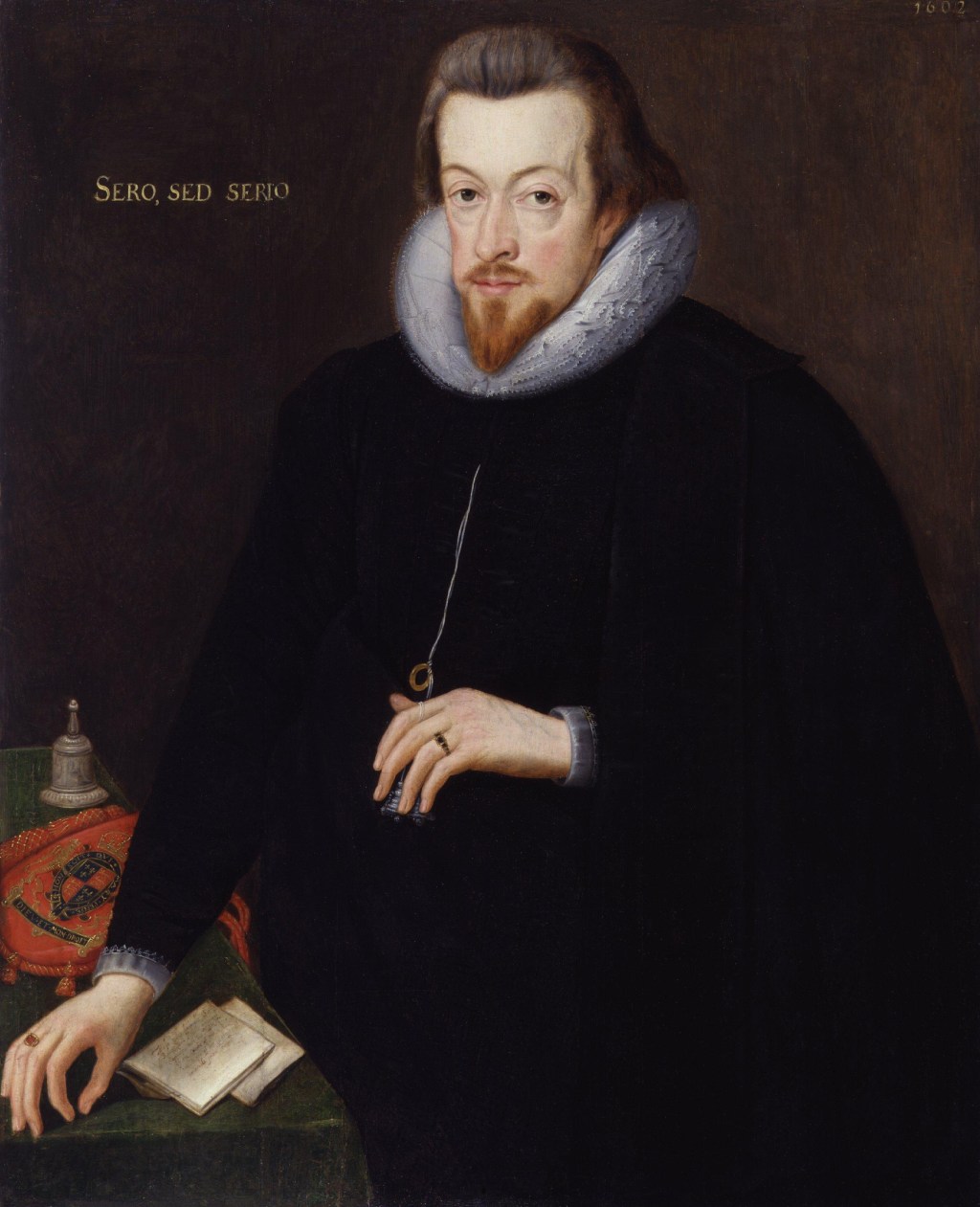
In a previous post, we explored the theory that Shakespeare’s Richard III was actually based on the Elizabethan politician, Robert Cecil. Here is another discussion of the subject, Richard III and Robert Cecil, with references to the hypothesis that Shakespeare was actually the 17th Earl of Oxford, a descendant of the previous Earls of Oxford…
-
While doing some research, I came upon a beautiful 15th century scroll of Edward IV on the website of the Philadelphia Free Library, showing the King’s full line of descent with stunning imagery and symbolism. What was particularly interesting was that Edward also used, as did Henry Tudor, the image of the Red Dragon in…
-
THE MYSTERIOUS DEATH OF EDWARD IV
Annette Carson, apoplexy, chill, cold, Commines, Croyland, Easter, Edward IV, Hall, History of the English Speaking People, Jean Molinet, John Ashdown-Hill, malaria, Mancini, Palace of Westminster, poison, R.E. Collins, Secret History, The Maligned King, The Private Life of Edward IV, Thomas More, treaty of Arras, William of Worcester, Winston ChurchillUPDATED POST AT sparkypus.com https://sparkypus.com/2020/05/27/the-mysterious-death-of-edward-iv/ Edward IV 1442-1483 For a king whose reign is otherwise well documented it is curious that the cause of Edward’s death remains a mystery. It would appear that his death was unexpected. It seems he was first taken ill at the end of March and despite having access to some of…
-
Heraldic “devices” of the House of York
Alianore Holland, black bull, black dragon, blue boar, Caroline Halsted, Clare Castle, Clifford’s Tower, Cliffords, Conisbrough, Conisbrough Castle, Duke of York, Dukedom of Clarence, Earl of March, Earl of Ulster, Edmund of Langley, Edward III, fetterlock and falcon, Joan Holland, Mortimers, Richard II, white hart, white hind, white lion, white rose, Yorkist coloursThe origins of these devices is set out in Richard III as Duke of Gloucester and King of England by Caroline A. Halsted, volume 1, pages 404-5. The source quoted is Archoelogia vol. xxii, p.226. The main change here is to convert the text into modern English: The dukedom of York – the falcon and…
-
The Howards, Talbots and Seymours – England’s auxilliary royal families?
Admiral Charles Rodney, Admiral Thomas Seymour, Anne Boleyn, Catherine Howard, Charles II, Dukes of Somerset, Edward IV, George IV, George V, Henry VIII, Howards, James of Monmouth, Jane Seymour, John Ashdown-Hill, John Howard Duke of Norfolk, Lady Eleanor Talbot, Laura Culme-Seymour, Lucy Walter, Maria Smythe, Miranda Hart, naval families, Royal Marriage Secrets, Seymours, TalbotsThis document shows the descent of the known “wives”, secret wives, mistresses, illegal wives and alleged partners of five English and British kings, taken from Ashdown-Hill’s Royal Marriage Secrets: thosehowardsagain As a bonus, Laura Culme-Seymour, from a naval family, including Admiral Thomas Lord Seymour; Admiral Rodney and the first three Culme-Seymour baronets, has a famous…
-
… by a thing called the internet. The internet may only have been invented by (Sir) Tim Berners-Lee (left) during the eighties but it has a much older patron saint – the seventh century Archbishop of Seville, Isidore. St. Isidore (right), who died in 636, was chosen because he wrote the Etymologiae, an early encyclopedia…
-
Easter is here again, and in these modern times it is only too often thought of as a time of pretty bunnies, fluffy chicks, chocolate eggs, hot cross buns and the joys of spring. But in the past it was a very different occasion, for it was the most important time of the year…
-
As so often happens, acquiring a book for a specific reason leads to something else that is quite thought-provoking. In this case, the book is The Medieval Python: The Purposive and Provocative Work of Terry Jones, in which the subject of one of the eighteen contributions is Catherine of Aragon and her two marriages. Do not…
-
BLOOD OF ROSES (A Novella of Edward IV’s Victory at Towton)
Bloody Meadow, Castleford, Cock Beck, Croft Castle, Edmund of Rutland, Edward IV, Flower of Craven, Henry VI, Hereford, Janet Reedman, Jasper “Tudor”, Joan “Beaufort”, John Mowbray Duke of Norfolk, London, Lord Clifford, Lord Fitzwalter, Margaret d’Anjou, Mortimer’s Cross, Orleans, Owain Tudor, Palm Sunday, parhelion, Ralph Earl of Westmorland, Ricardian fiction, Richard Duke of York, Richard of Warwick, Second Battle of St. Albans, snowstorm, sunne in splendour, Towton, Towton Chapel, Wakefield, William Neville Lord Fauconberg, YorkshireRichard, Duke of York and his second son Edmund were killed at the battle of Wakefield at the bitter end of 1460. Within weeks, the Duke’s eldest son Edward was on the road with a mighty army, seeking revenge–and a crown. The novella BLOOD OF ROSES by J.P. Reedman covers the period from the Duke’s…
-
Even the New York Times gets it wrong! Apparently an earlier version of a book review had Richard being found in London, not Leicester. Someone advised them, and the error was corrected. Anyway, to read the whole review of A BRIEF HISTORY OF EVERYONE WHO EVER LIVED: The Human Story Retold Through Our Genes by…

