Recently I came across an archaeological article which I found very interesting as it had similarities to Richard III’s finding and identification.
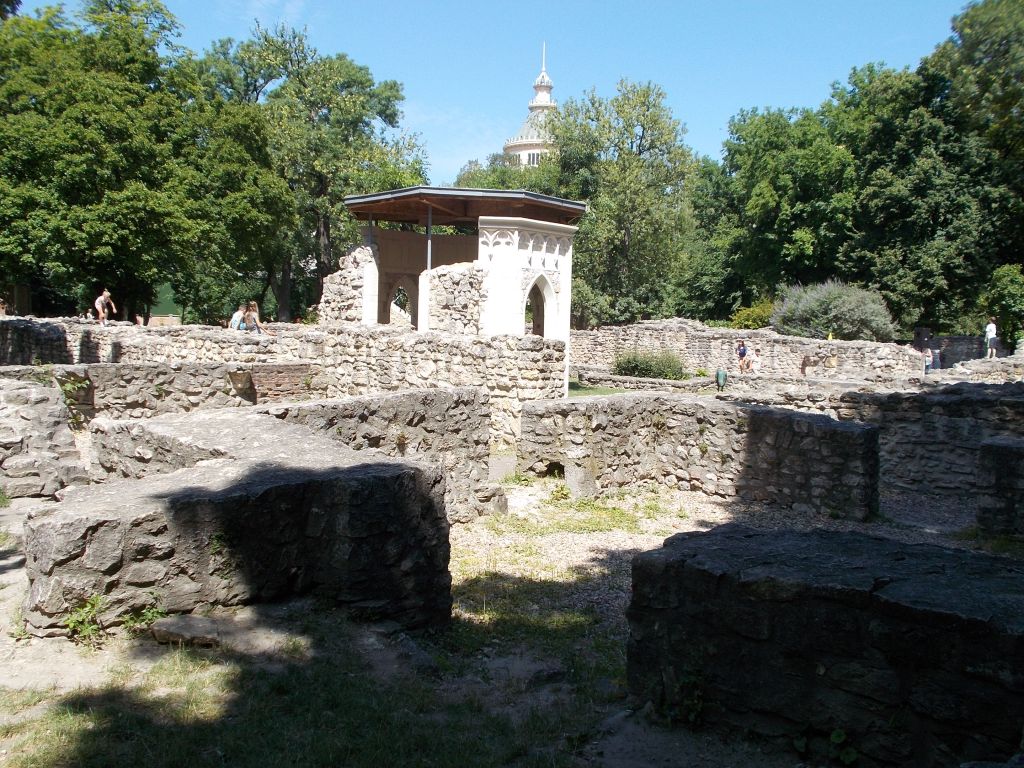
Duke Bela of Macso was a young Hungarian nobleman who was assassinated, aged approximately 25, in 1272. On August 6, King Stephen died, and his young son, Ladislaus, IV ascended the throne. Infighting began for control of the government, and in November Bela was murdered by soldiers in the retinue of Henry Kőszegi (another Henry), who had once been an ally. Bela was buried in a Dominican Abbey on a place called Margaret Island (named after Bela’s sister Margaret, who had been a nun there), and the grave was lost when the abbey fell into ruin. His supposed bones were discovered in 1915, but there was no way to firmly identify them back then. The remains lay for years in storage and then were believed to have been lost in World War II. Then in 2018, they were found again, and analysis began to confirm whether the skeleton was truly Bela’s or not.
First of all they carbon dated the remains–and they turned out slightly too early. However, the archaeologists recalibrated this due to Bela’s heavy diet of fish–common in nobility. This was similar to Richard, whose carbon date was also a little early and then was recalibrated due to his diet. Stable isotopes from his teeth also showed where he had grown up, which tallied with the movements of his family.
Like Richard, his death was extremely violent. He had 26 injuries from different bladed weapons. There were at least three attackers who continued to attack him even after he had fallen, delivering more wounds to head and face.
Genetic testing was also done, showing that he was a direct descendant of King Bela III. No facial reconstruction as yet, though…
 The New Murrey and Blue blog
Leave a comment