I happened upon the following post on Facebook, which might surprise some Americans, who believe that apple pie was invented there. ‘As American as apple pie’, right? Wrong!
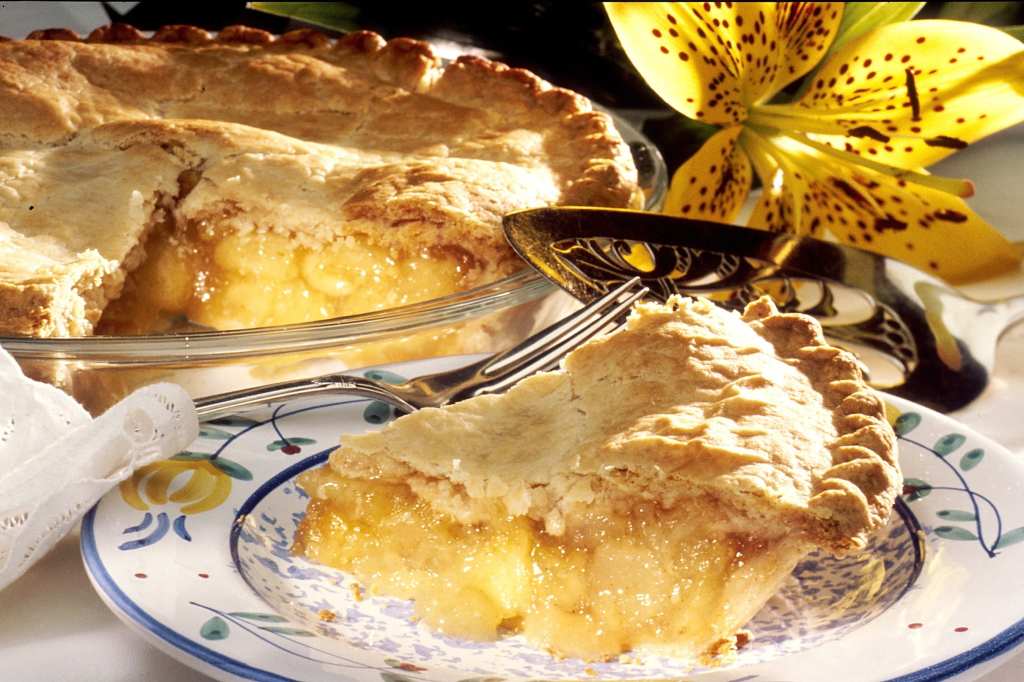
In 1381 England, the first documented apple pie recipe was crafted without a single spoonful of sugar. Instead, this medieval masterpiece combined fresh apples, figs, raisins, and pears in a golden pastry crust tinted with precious saffron.
Medieval bakers relied on nature’s sweetness from dried fruits and honey, creating a sophisticated blend of flavors that would astonish modern taste buds. The pie was encased in a special pastry called a “cofyn,” reflecting the skilled craftsmanship of 14th-century English kitchens.
This original recipe laid the foundation for centuries of apple pie traditions across Europe and eventually America, though today’s versions bear little resemblance to their medieval ancestor. The use of expensive saffron suggests this wasn’t everyday fare, but rather a dish for special occasions.
While we often think of apple pie as quintessentially American, its documented roots trace back to medieval England, where innovative cooks created wonderful desserts despite limited access to sugar and other ingredients we take for granted today.
Sources: Forme of Cury (14th-century English cookbook), Geoffrey Chaucer’s contemporary writings, Dutch Appeltaarten recipes (1514)
The content of this post was taken from a Facebook post by The History Archives on 14th April

 The New Murrey and Blue blog
Leave a comment