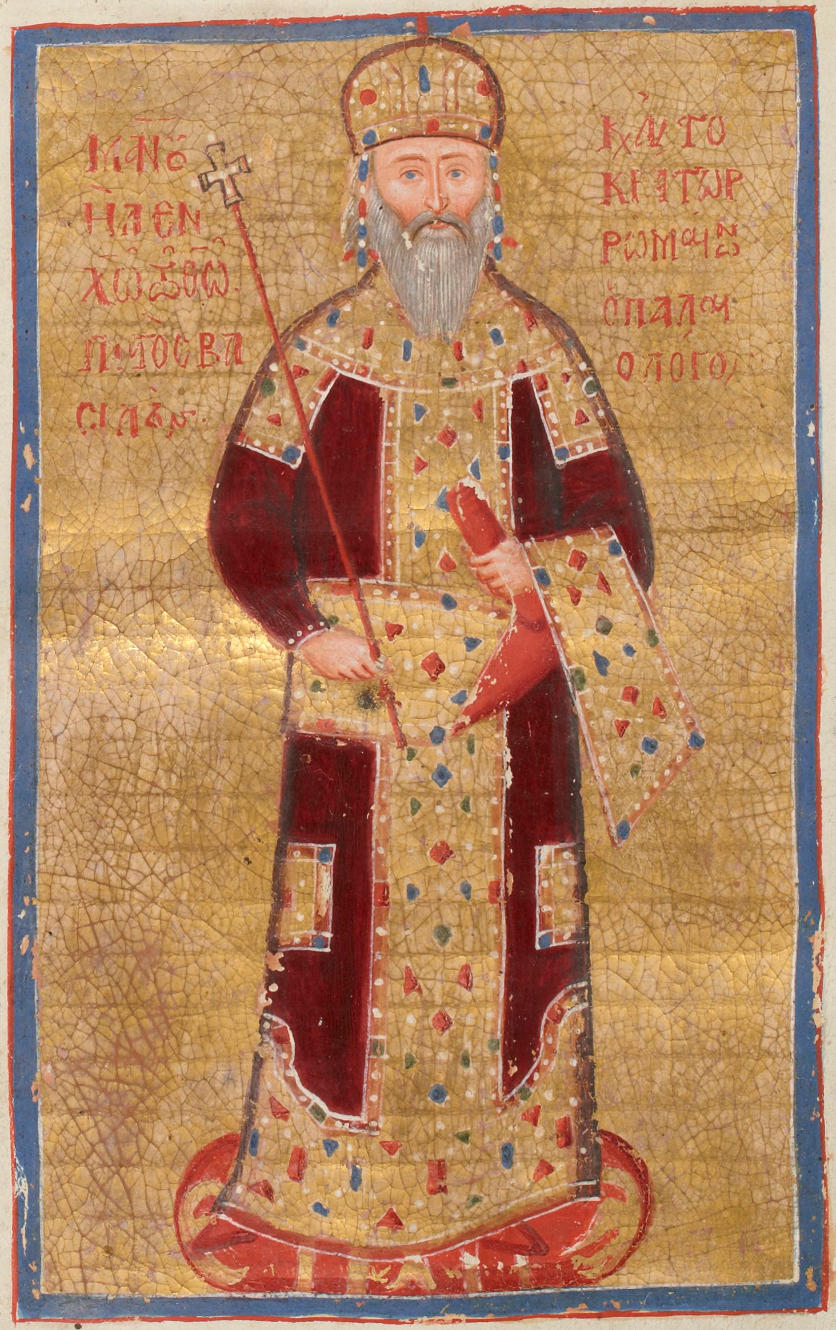
Yesterday I wrote about the 1402 visit to England of the beleaguered Byzantine emperor Manuel II Palaeologus, see https://murreyandblue.org/2024/12/14/in-1400-england-played-host-to-a-byzantine-emperor/. He was travelling around the western kingdoms desperately seeking support because he was having immense difficulty fending off the encroaching Ottomans. But I have now learned that it was probably an event much further back from the 14th century that first triggered the slow decline of Byzantine Empire (see https://www.britannica.com/summary/Byzantine-Empire). It was a time when the Ottomans weren’t around.
Islamic conquests were to finish the Empire, because the roots of the latter’s troubles lay in the 125-year Late Antique Little Ice Age of the mid-6th century. There’s now great debate “….over whether the “Late Antiquity Little Ice Age,” which started about 536 A.D. after volcanic eruptions dimmed the sun, helped set the stage for Islam’s rise and trigger a plague that dealt a major blow to the nascent Byzantine Empire….” Recent findings certainly indicate this to have been what really happened.
The after-effects of the Late Antique Little Ice Age reached relentlessly through the ensuing centuries, gradually weakening the empire until it was too fragile to survive. So the decline had been in progress for 800 years or so, and was due to the harshness of Mother Nature. It was only at the very end that the Ottomans came on the scene.
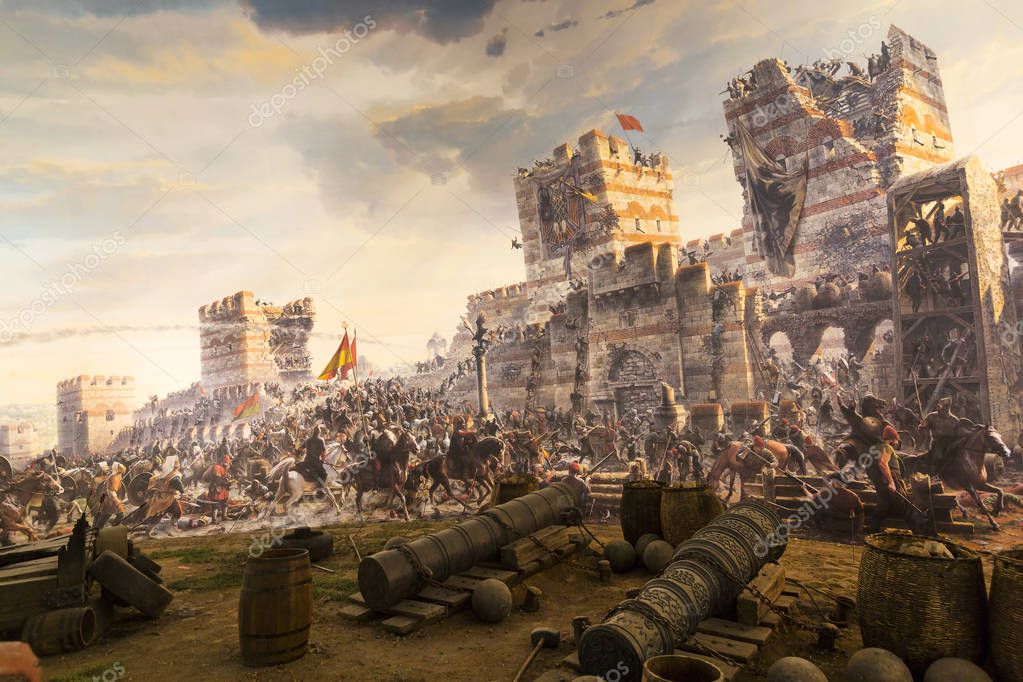
The Ottomans rose in the 14th century, and in a way were able to cash in on the increasingly helpless state of their prey. I don’t make this observation to belittle their ability, for they were a truly formidable force. I merely point out that in this instance their prey was no longer able to match their ferocity. Eventually they couldn’t be held back any longer, and in 1453 captured Constantinople. It was the last straw.
In England we too endured this same 6th-century ice age, and then in the 14th century another similarly calamitous event—the Black Death—that brought about the decimation of the population. And just think, if we today hadn’t had antibiotics and the superior knowledge of modern doctors and scientists, who knows how many millions would have died around the world from the recent pandemic?
So, was climate change really what brought about the end of the Byzantine Empire? Had it been so drained of population, trade, food etc. that it could no longer withstand the Ottomans’ onslaught?
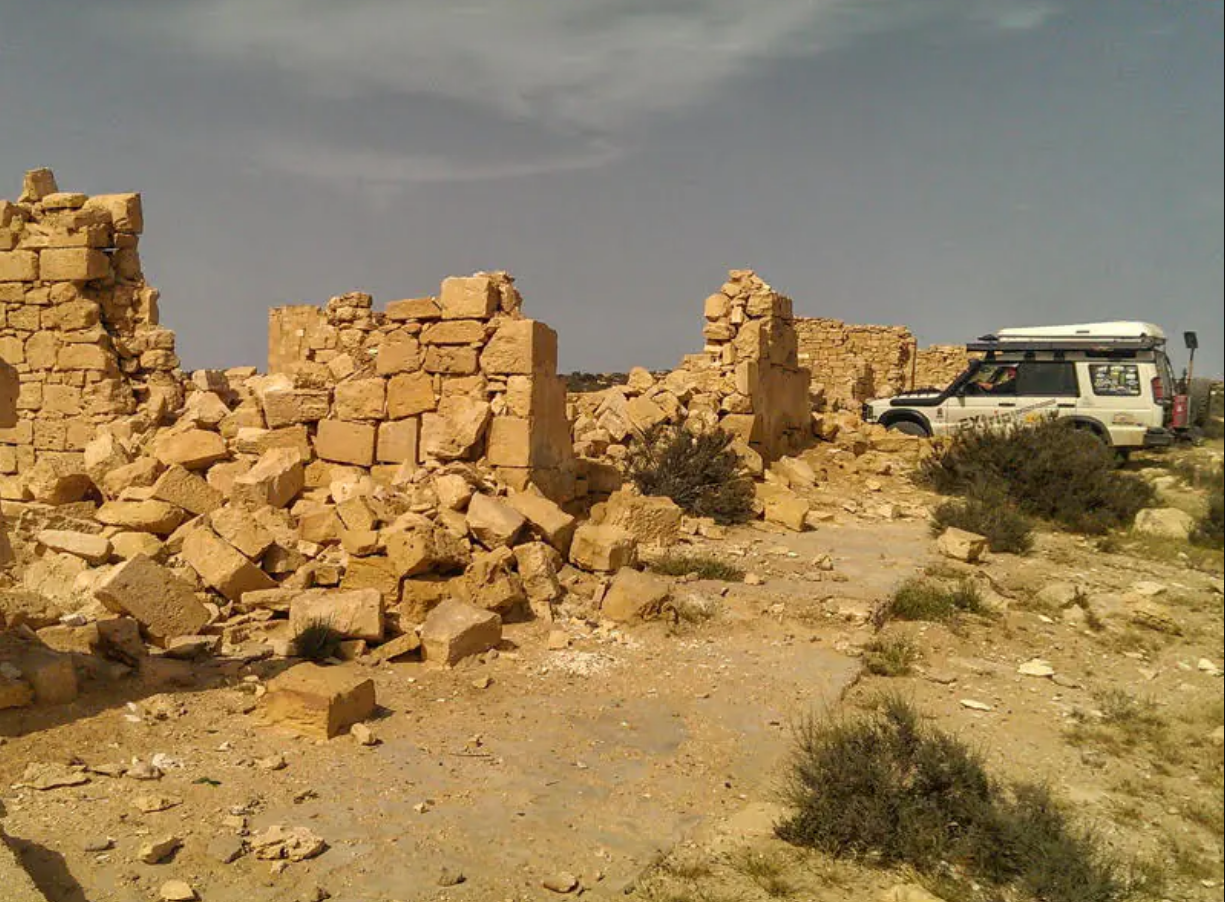
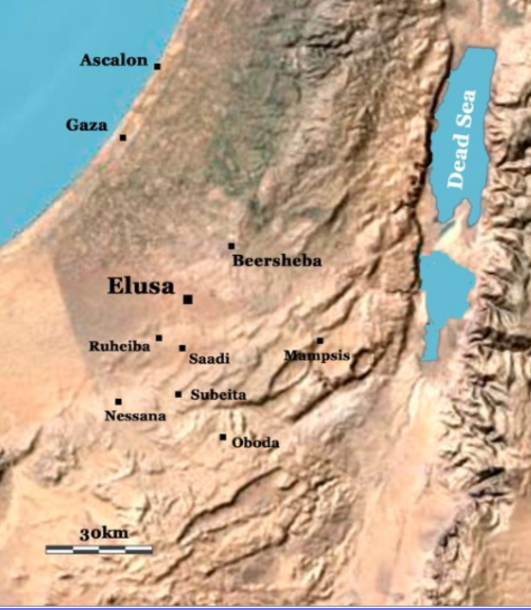
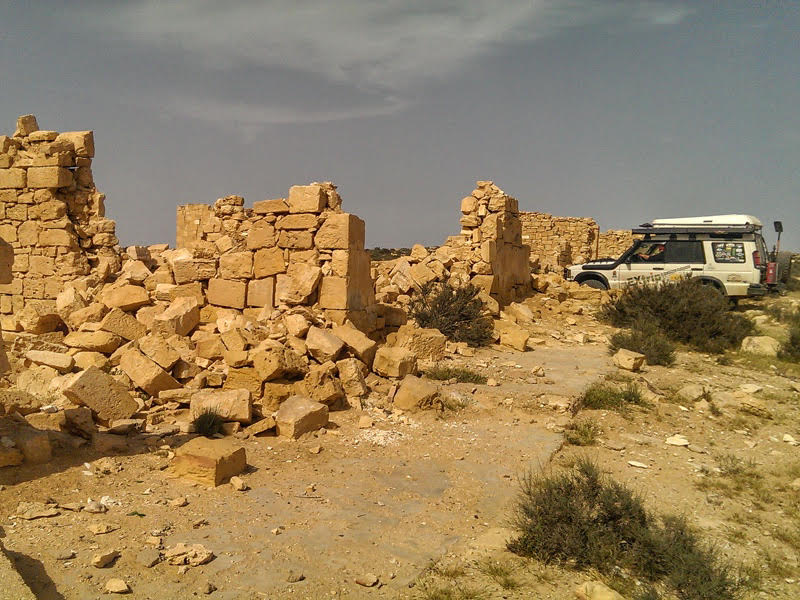
Archaeology has, quite literally, unearthed the evidence for this new theory. Gradual changes detected through present-day analysis of potsherd density and other traces in the ancient hitherto untouched rubbish tips of the city of Elusa (today’s Haluza) in the Negev Desert of Israel. “…. The scientists [have] detailed their findings online….in the journal ‘Proceedings of the National Academy of Sciences’….”
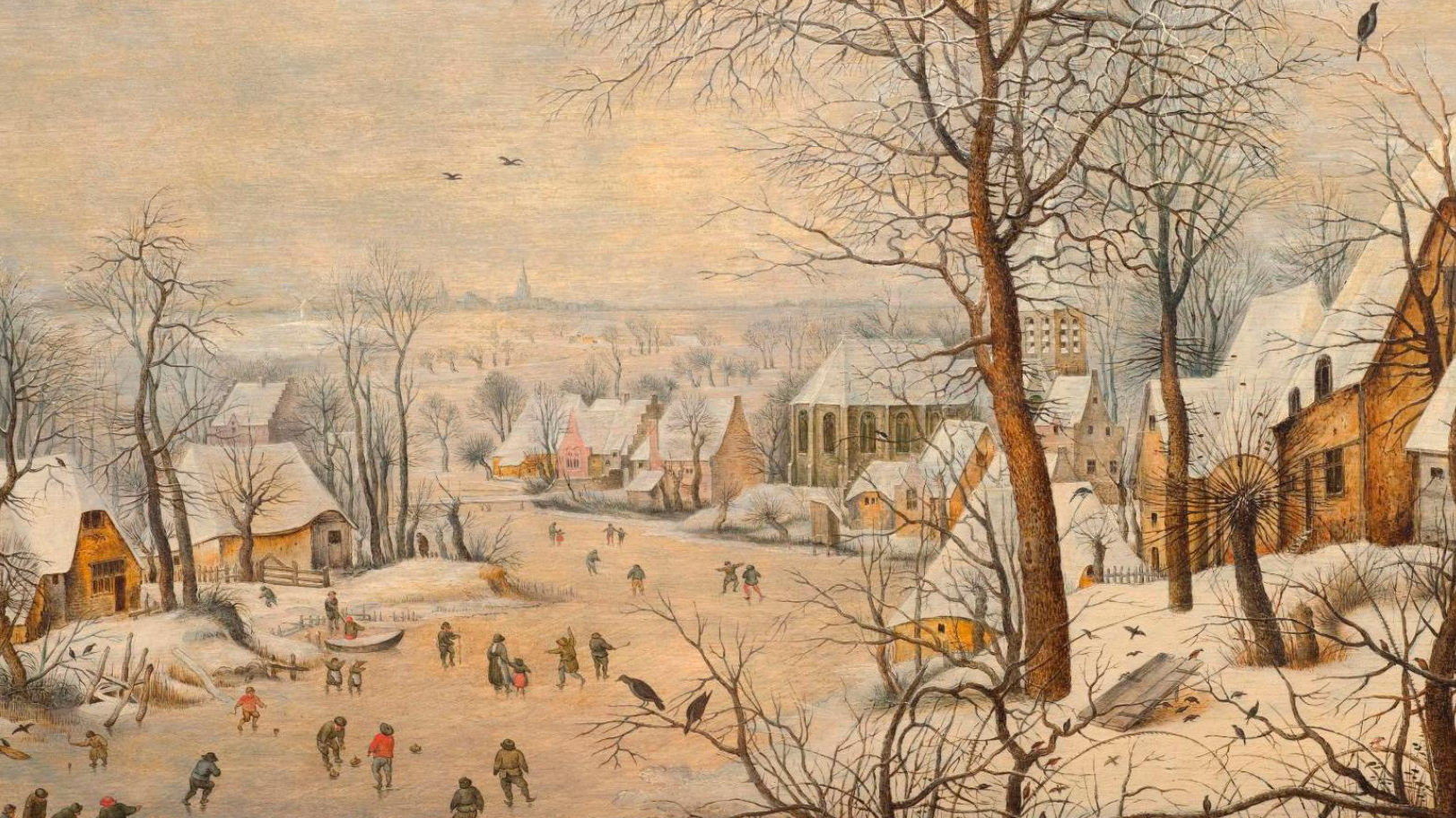
Archaeologist Professor Carenza Lewis at the University of Lincoln in England has similarly analysed potsherd density to examine the immense population decline due to the Black Death in 14th-century English villages.

I will not attempt to explain any of this in more detail, because if you investigate the various links above you’ll find all the facts you need.
The 125-year Late Antique Little Ice Age wasn’t selective. It didn’t simply choose the Byzantine Empire and leave the rest of us alone. Oh, no. Our history in England records that we too were affected. In 536 AD there were terrible volcanic eruptions, dark weather and low temperatures that brought about plague and famine at the very time we assign to the reign of King Arthur. Maybe he wasn’t the romantic medieval hero of Camelot, but he did exist in this much earlier age, and this baneful weather disaster crops up in some of his medieval legends.
There have been other Ice Ages since then, some much more widespread—see https://en.wikipedia.org/wiki/Little_Ice_Age—but it was the one in the 6th century that crippled the Byzantine Empire.
History has a horrible way of repeating itself, so we must hope there isn’t another pandemic, and that we’re spared the sort of cataclysmic volcanic explosions that can blot out the sun for years and bring about the very climate change we’re already dreading because of our own foolish failure to mend our ways.

 The New Murrey and Blue blog
Leave a comment