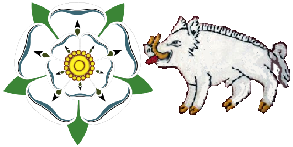
A blog titled Murrey and Blue is obviously (to those who understand these things) going to concern the House of York, one half of the conflict that gave rise to the Wars of the Roses. The other half of the quarrel, of course, was the House of Lancaster. (https://www.warsoftheroses.com/)
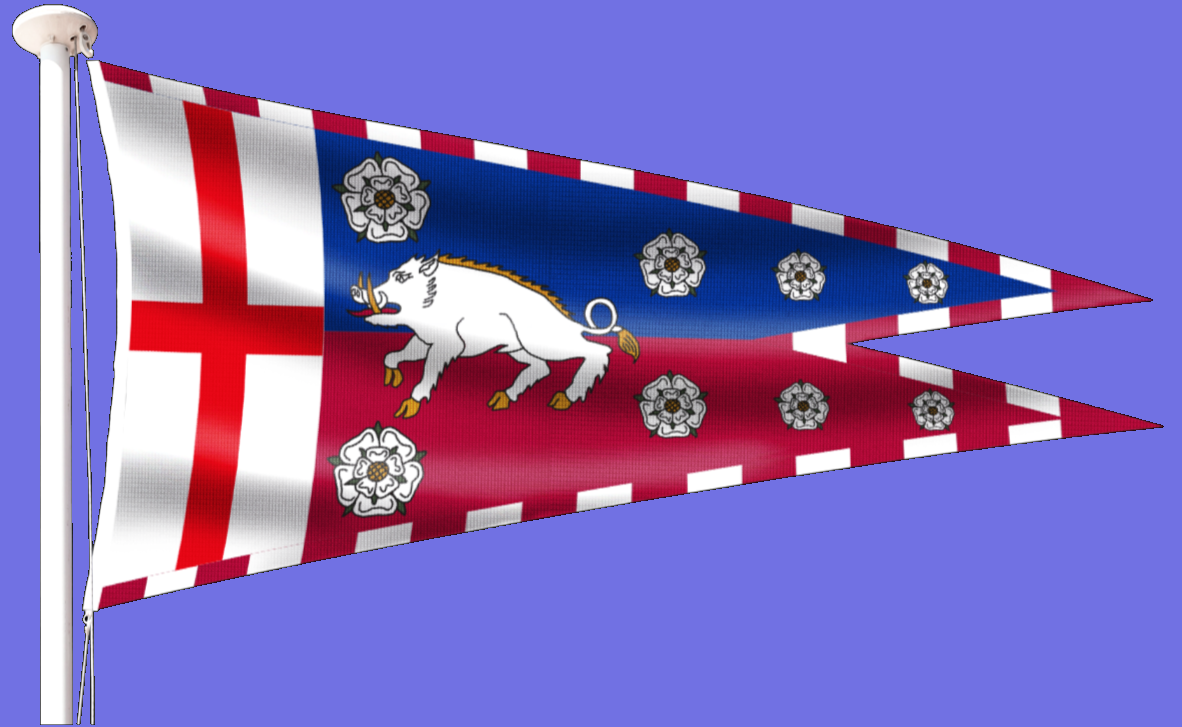
Being Yorkists, we support the white rose….and also the white boar, which was the badge of Richard III, the king whose cause we will always promote. (https://richardiii.net/richard-iii-his-world/his-life-and-death/biography/)
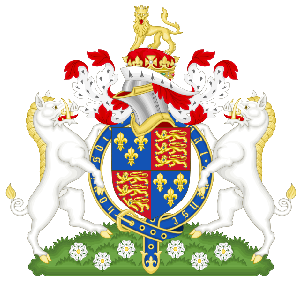
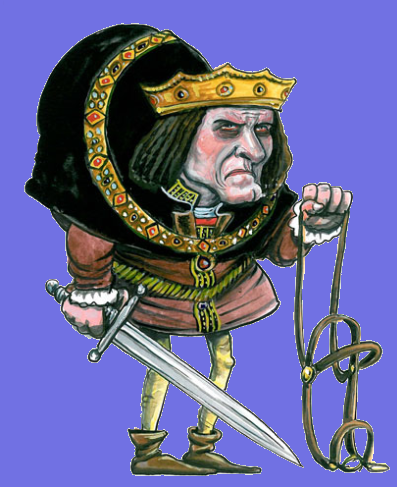
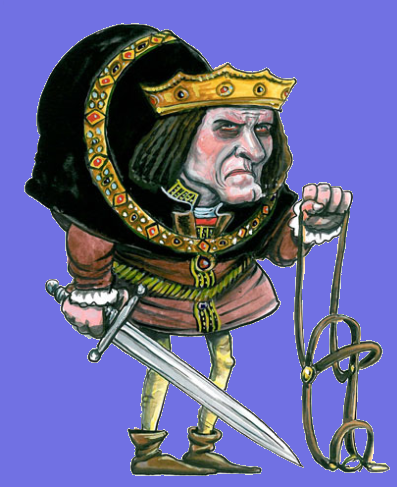
Richard has, until recently, almost always received what we call “bad press”. He was the Bard’s monstrous, murderous monster, suffering from kyphosis and a vile temper. Thank you so much, Larry, Sir Thomas More et al, she wrote dryly. This Tudor spite and spin ensured the caricature took hold and spread strong roots. Like weeds always do.
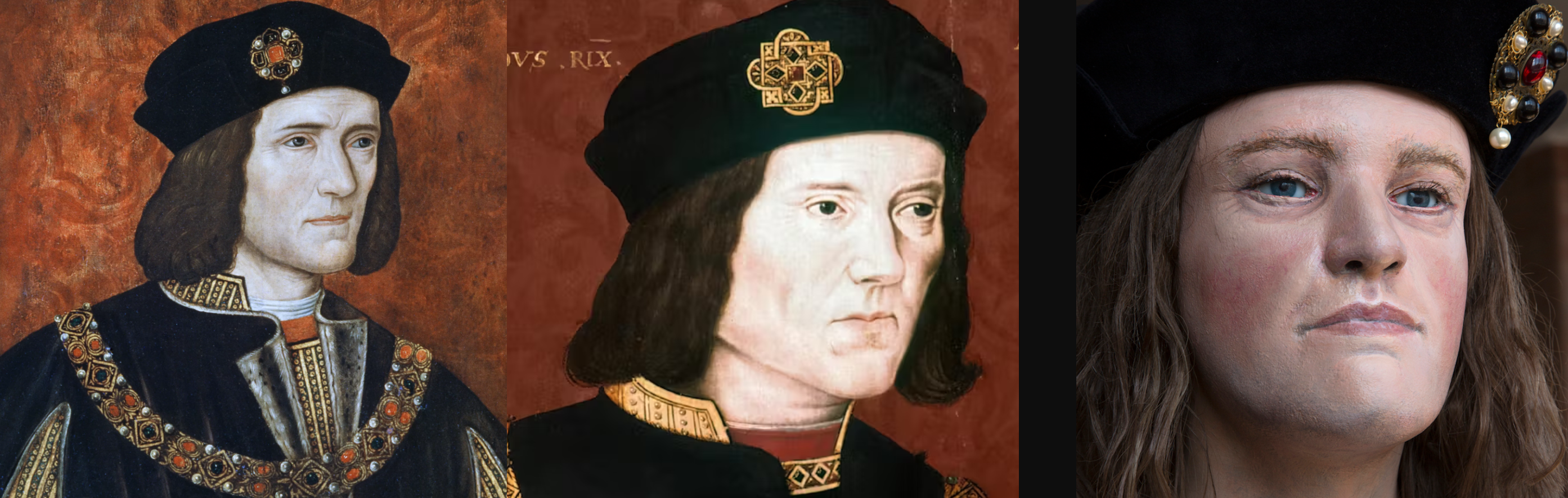
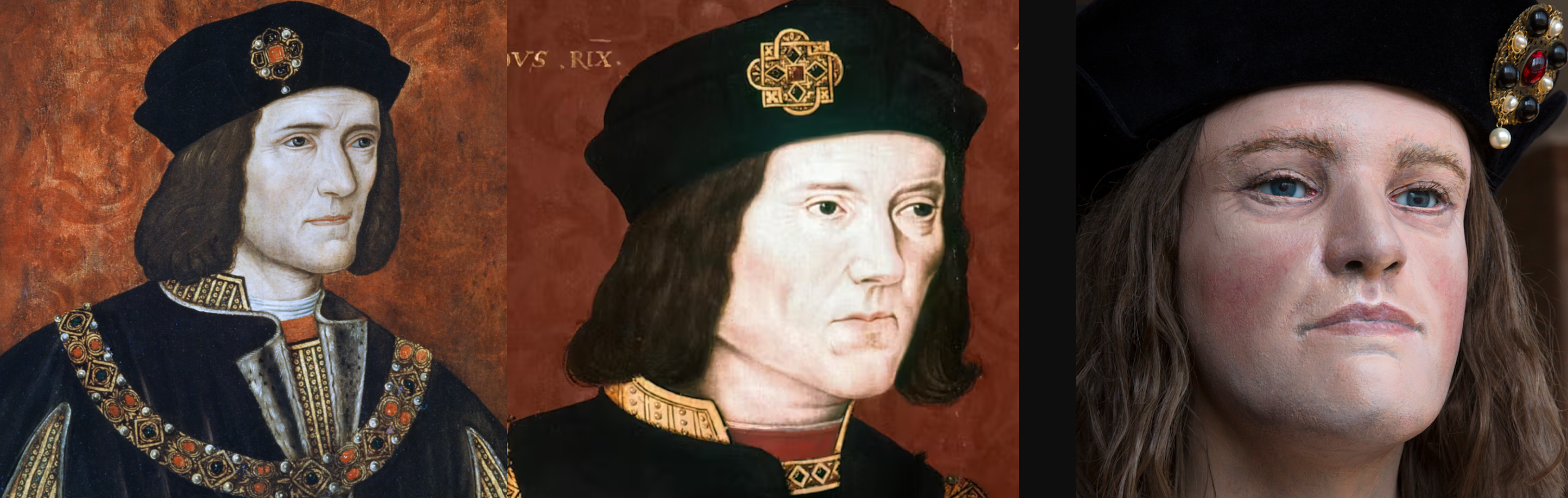
But Richard has always had his supporters, and their numbers began to grow alongside the Tudor weeds. Then the discovery of his remains in 2012 brought a new Richard to the world. (see here https://tinyurl.com/mr3ybp5s) Suddenly very different Richard had appeared, not the hideous, criminal, middle-aged creature of Shakespeare, but a young man of only thirty-two who’d died a terrible death while fighting for a crown that was his by right. Seeing the Facial Reconstruction must have been a shock to most people. They’d never for a moment imagined this was what he really had been like. (https://richardiii.org.uk/topic/24143/richard-iii-society-s-press-release-facial-reconstruction)
Richard had always been the loyal brother of Edward IV, supporting him and never wavering, unlike the third York brother, George, Duke of Clarence, who rebelled and eventually died a traitor. As Duke of Gloucester and Lord of the North (https://richardiii.net/richard-iii-his-world/his-life-and-death/the-north/) Richard had been a much loved and respected ruler, so much so that the city of York stood up bravely after Bosworth to mourn Richard’s death. (https://murreyandblue.org/2016/12/25/lord-of-the-north/) Richard was known as a man who always abided by his conscience and always did the right thing. As Duke of Gloucester, he was certainly always there for Edward IV when needed (https://richardiii.net/richard-iii-his-world/the-war-of-the-roses/other-military-campaigns/) Edward needed him and Richard did not let him down.
As a result of the efforts of the Richard III Society, and folk like Philippa Langley (https://philippalangley.co.uk/) and the late John Ashdown-Hill (https://www.bbc.co.uk/news/uk-england-essex-44225404) there are now many more measured articles about Richard, but it’s still far from universal. Too many articles still follow the Tudor line or “do a Stanley” by sitting on the fence while peddling the same old lies.
But if you go to this link https://tinyurl.com/4hyaudf5 you will find an excellent 2021 (originally 2017) article by historian Julian Humphrys (https://www.julianhumphrys.com/). Yes, it contains some of the old myths (and a timeline by Tudor historian Chris Skidmore, of whom say no more—https://tudortimes.co.uk/books/author-interviews/interview-with-chris-skidmore) but it explains and corrects them and definitely tells of the real Richard. And at the end it features John Ashdown-Hill speaking up for Richard as he always did.
Since Julian Humphreys wrote his article we’ve had the Missing Princess Project, headed by Philippa Langley (https://www.revealingrichardiii.com/langley.html), which has revealed substantial evidence for the survival of the boys known as the “Princes in the Tower”, of whose murder Richard has always been accused. We’ve also had the film The Lost King, which has been seen worldwide. (https://tinyurl.com/2c46zx3h)
My, how things have changed for King Richard III since that dreadful day at Bosworth and the advent of the House of Tudor and its spin doctors.


 The New Murrey and Blue blog
Leave a comment