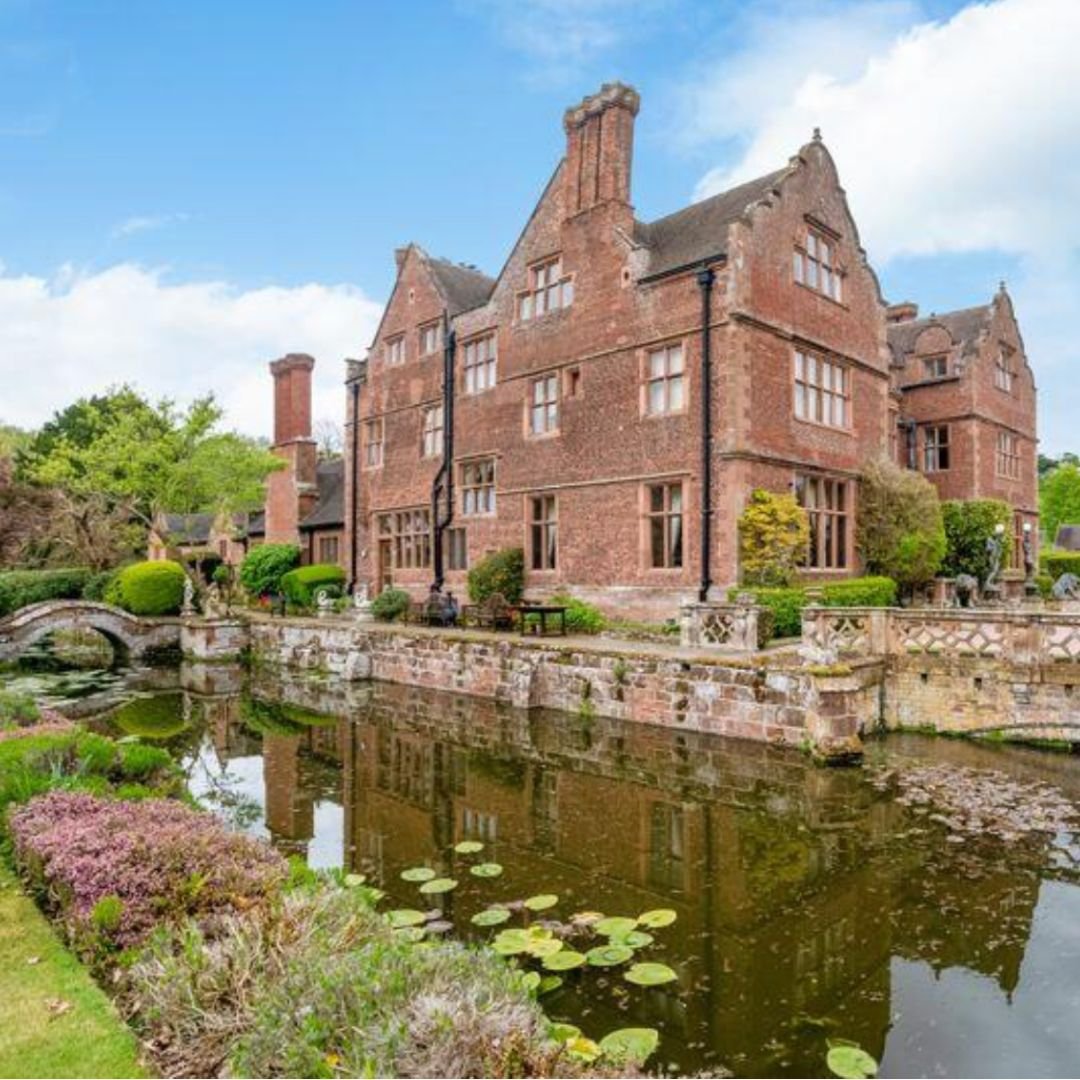
Now, why would an article about a Scottish dean begin with a photograph of Ludstone Hall in Shropshire? Read on, and all will be revealed
Nowadays Ludstone Hall appears to be Jacobean, but it began life back in 1086 when—known as Luddesden and part of the “ancient royal manor of Claverley”—it belonged to the then Earl of Shrewsbury, Roger Montgomery. In the year 1098, Roger passed on the Ludstone estate to the deans of Bridgnorth, who ran it as a monastic farm until 1547. Before then, at the beginning of Henry IV’s rule in 1399, it “….consisted of several wooden buildings arranged to form a courtyard within a moat….”
Only one dean, Thomas of Tutbury, who held the deanery from 1391 until 1403, ever resided at Ludstone. These dates mean he was dean for the last years of Richard II’s reign and the first few of Henry IV. There was nothing amiss with Thomas (that I know of!) so he wasn’t the dodgy dean of the title. When he died he’d been preparing to rebuild Ludstone, “….leaving behind 11,000 shingles, 17,000 tiles, 300 great boards, and £100 reserved for renovations….” That was when Henry IV decided to replace him with Columba of Dunbar. Oh dear. Enter the dodgy dean. Dastardly dean, even!
In 1410, when a commission investigated the state of the deanery’s “dilapidations”, it was discovered that Columba had embezzled the £100, “….sold the materials obtained for the purpose and had the greater part of the house pulled down allowing the remainder to fall into ruin….” Ooooh, the rotter!
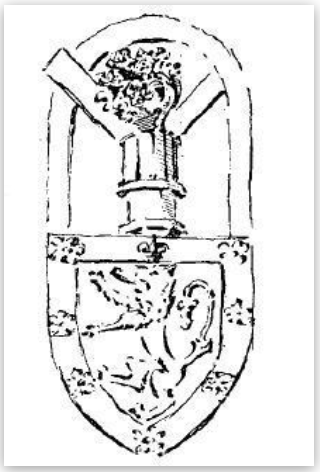
So this Columba (aka Colin) definitely mustn’t be confused with St Columba, of whom see here St. Columba: The Irish Saint Who Battled a Monster and Converted Scotland – IrishHistory.com. However, if you go here https://en.wikipedia.org/wiki/Columba_de_Dunbar you can discover a lot about who our dodgy dean actually was. And that he was nifty on his toes, because he bolted back to Scotland to evade English justice. This fellow seems to have been fond of stealing from places in his charge and was also accused of stripping lead from the roofs of some of his churches! A very pious, holy, God-fearing chap, eh? Well he must have been, because he was the noble son of George de Dunbar, 10th Earl of March, and (among other appointments) became Bishop of Moray. He was eventually buried at Elgin Cathedral.
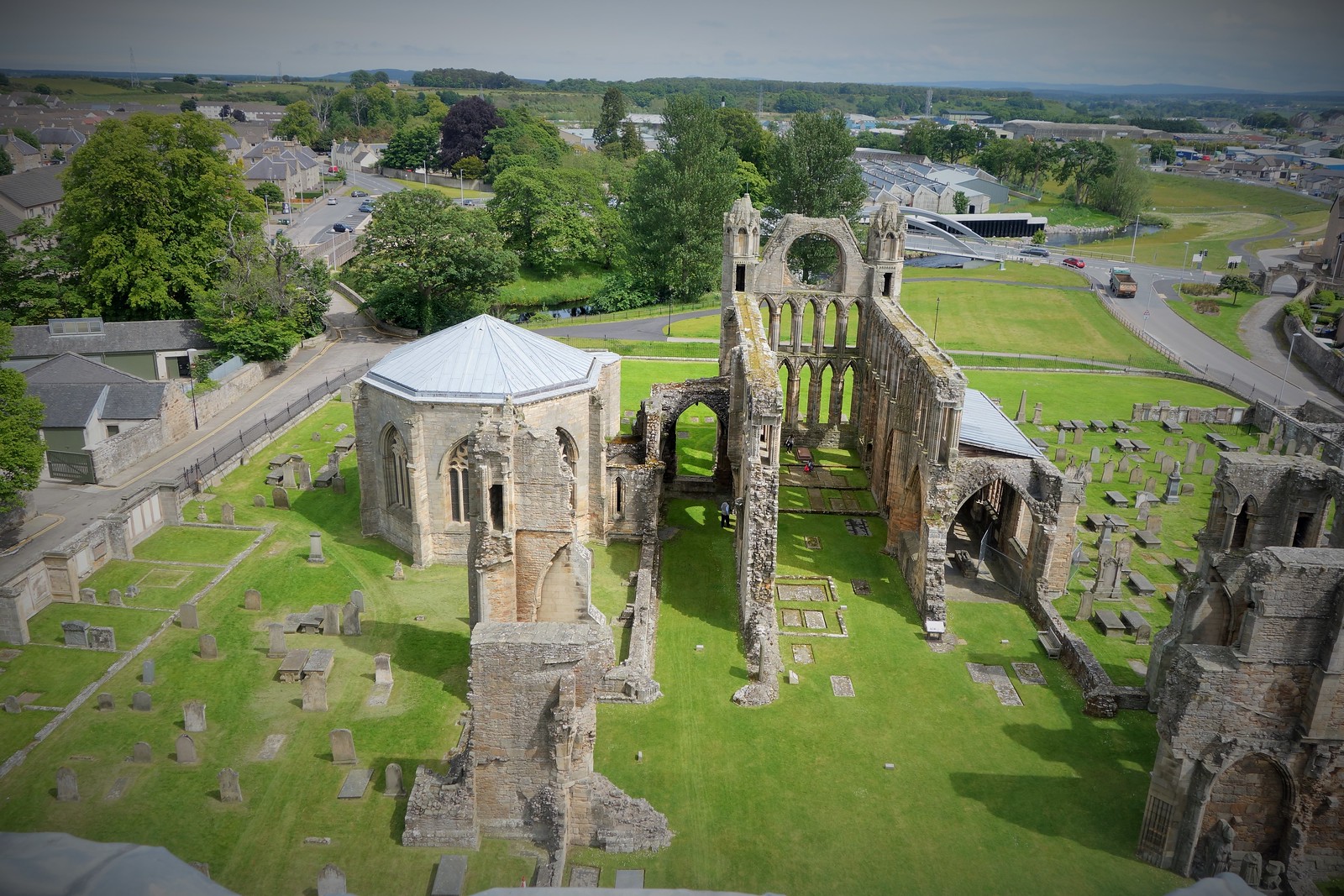
Regarding the above photograph, and at the risk of being facetious, I have to comment that Elgin Cathedral seems to have been “got at” by Columba before he turned up his holy toes One wonders to whom he sold all that lucrative roof lead….
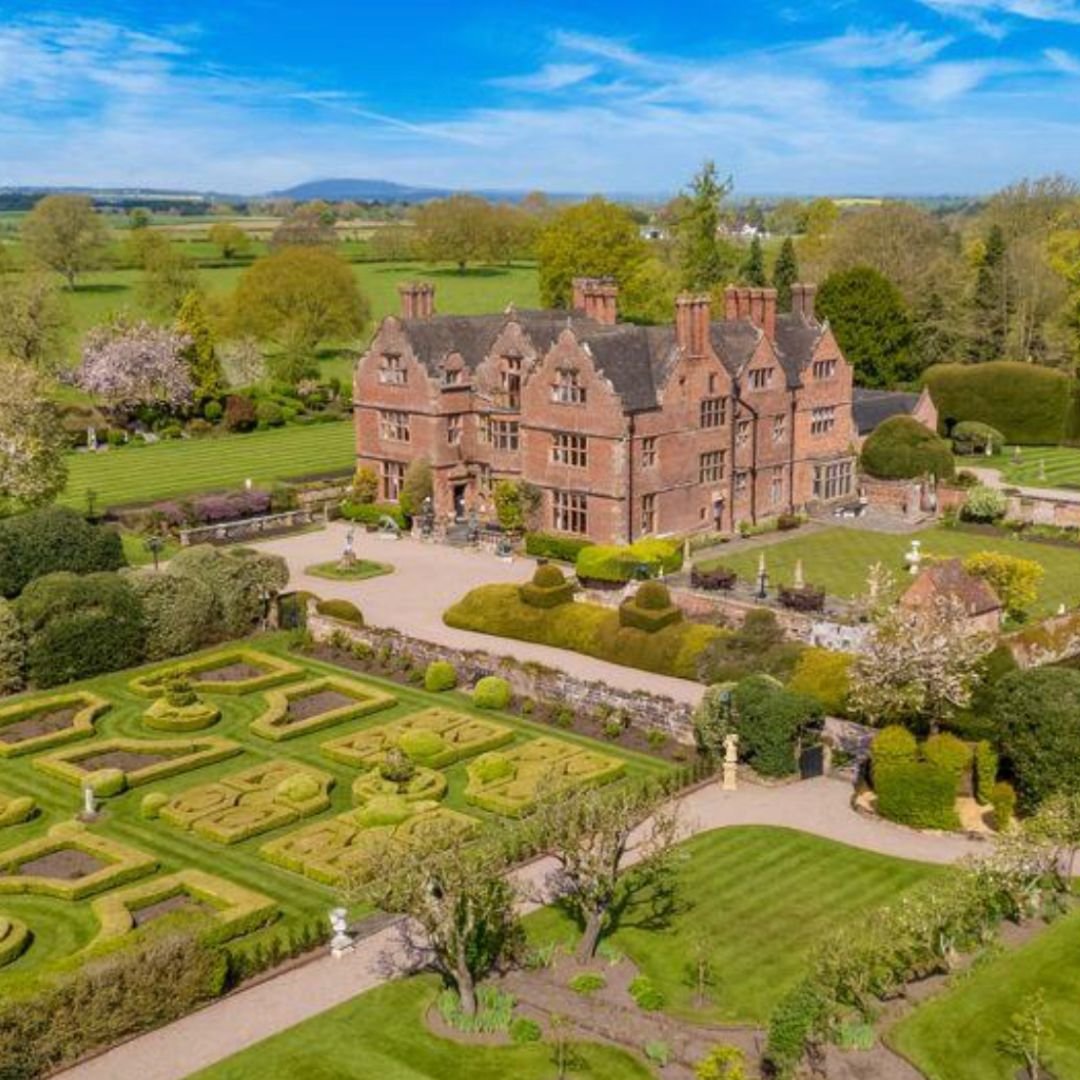
Enough of Columba. The present house at Ludstone Hall was built in 1607, when it became a private residence. Now it is on sale for £7.5 million or £7.75 million, it varies. You can read its history here http://ludstone.co.uk/ludstone-history.htm.
There’s more (and photographs) at the following links: A 400-year-old fantasy house with moat, four-poster beds and a ‘magic’ swimming pool that converts into a ballroom – Country Life and here https://britishlistedbuildings.co.uk/101053874-ludstone-hall-claverley and here https://www.francisyork.com/blog/ludstone-hall-estate-english-country-house-and-117-acre-estate-in-the-shropshire-countyside.
And remember now. If you’re the lucky new owner, be sure to have cctv everywhere! Just in case the Dodgy Dean makes a quick ghostly raid south of the border.
 The New Murrey and Blue blog
Leave a comment