
In spite of Henry VIII’s best efforts in the Dissolution of the mid-16th century, there are still a huge number of habitable abbeys dotted around our countryside, and one is Beeleigh Abbey in Essex, until 2022 the home of the late Christopher Foyle, of Foyle’s Bookshop fame.
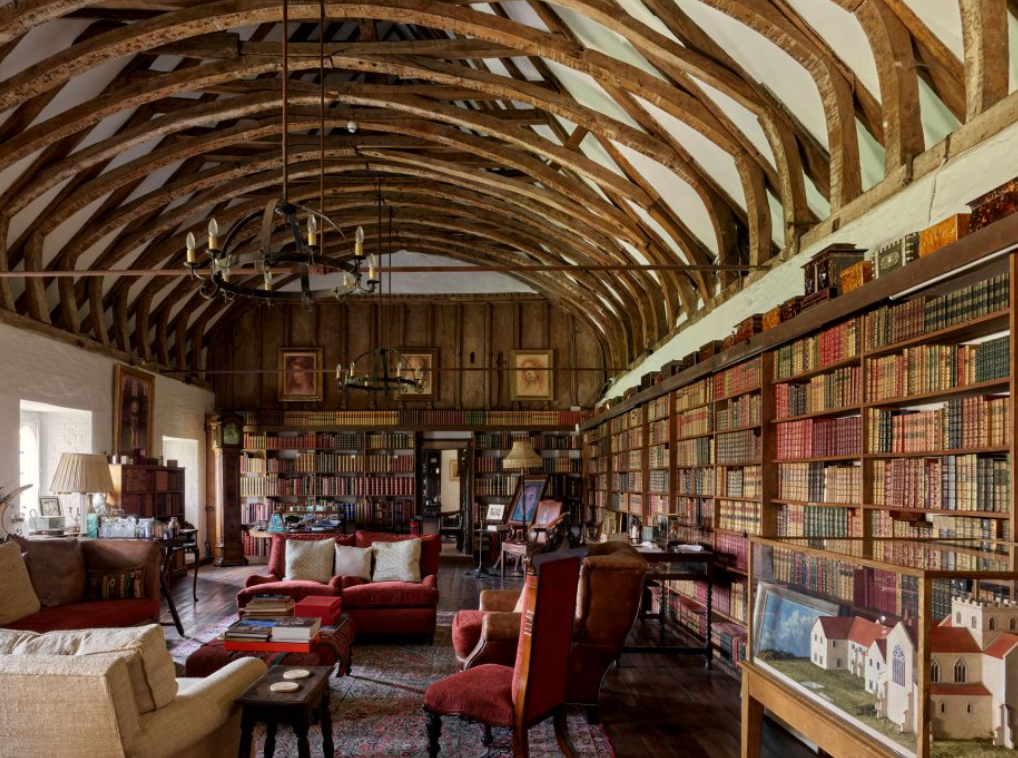
The abbey is a very beautiful place, a dream home for anyone wishing to wallow in the medieval period because it has kept its appearance and character, and is set in magnificent gardens.
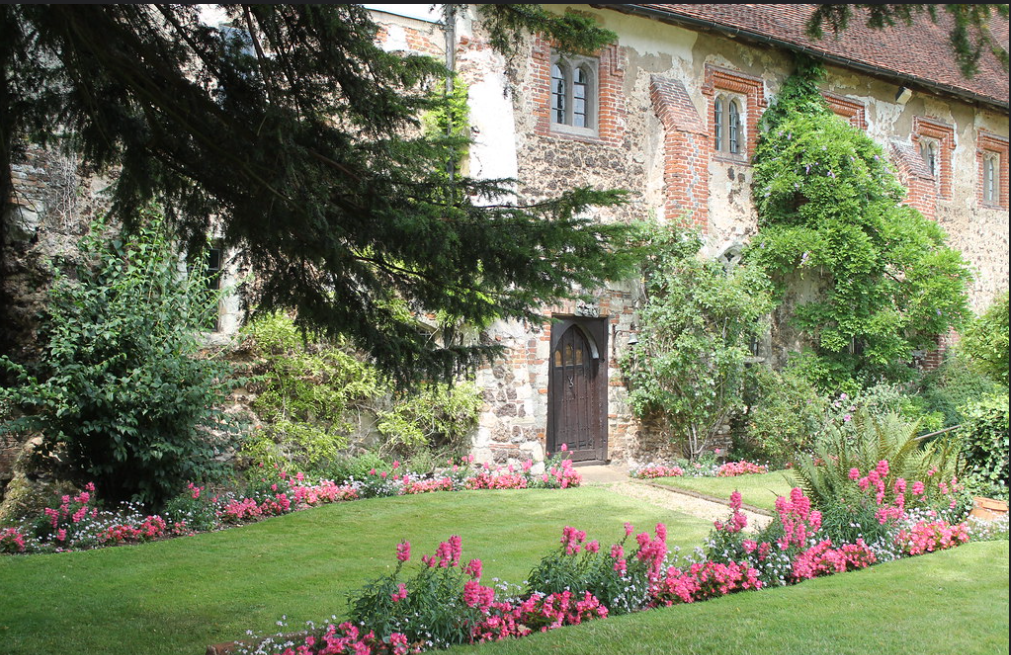
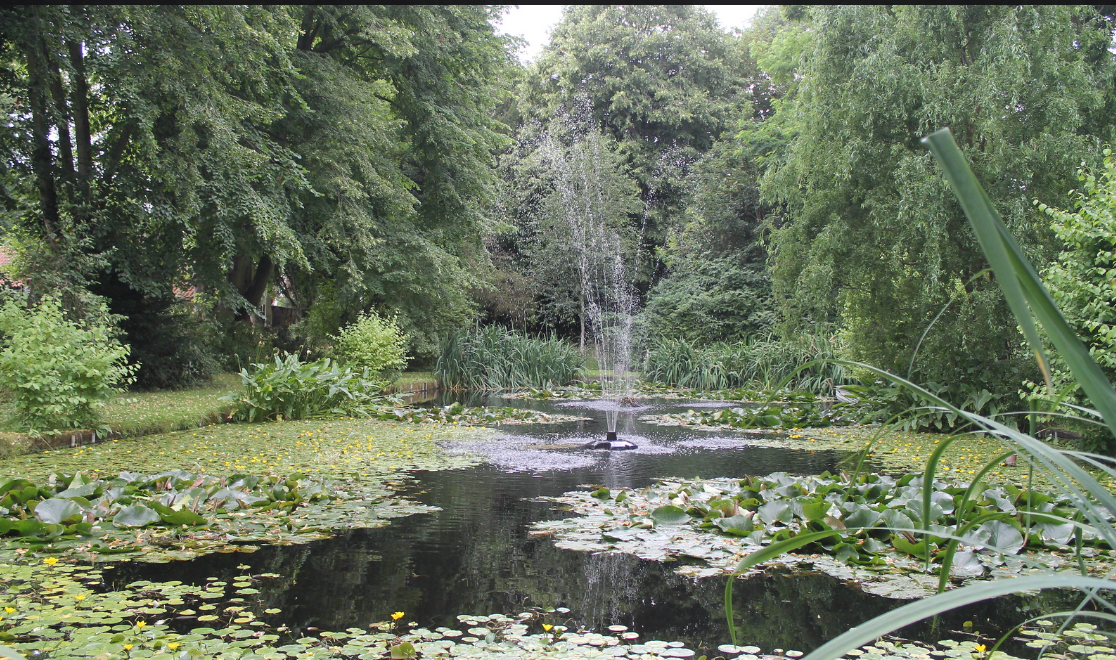
But there were many previous occupants, of course, because “….The Abbey of St Mary and St Nicholas at Beeleigh was founded towards the end of the 12th century for a community of Premon-stratensian canons, named after the mother house of their order, Prémontré (Aisne), in north-eastern France….Popularly known as the ‘Norbertines’ or the ‘White Canons’ (after their bleached woollen habits), the Premonstratensians were extraordinarily prolific, with eventually more than 500 abbeys situated in almost every corner of the Christian West. On this side of the Channel, the first plantation was made in about 1143….”
The abbey was then subject of a charter granted by Richard I in 1189. (See this article Beeleigh Abbey: An incredible medieval house that’s barely altered since Henry VIII’s Dissolution of the monasteries – Country Life)
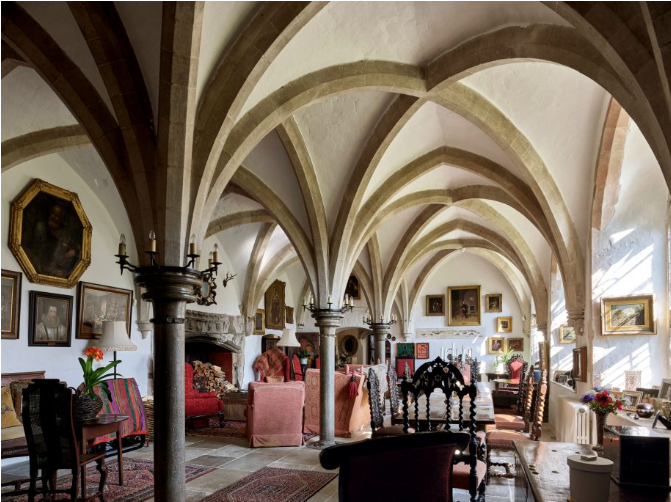
There were problems in the time of Abbot Thomas Cokke (1384−1405) when he was involved in a conspiracy against Henry IV. He was pardoned, only to be poisoned in the spring of 1405. It took him eleven weeks to die! Poor man, but he did the right thing to conspire against Henry IV!
Among Beeleigh’s notable patrons, indeed its chief patrons, were the Bourchiers: “….Henry Bourchier, 1st Earl of Essex, was buried in the Lady Chapel in 1483, as was his wife, Isabel. Earl Henry’s fourth son, Sir John (d. 1495), asked in his will to be buried ‘next my lord fader and my lady moder’ and for a canon ‘to singe in our lady chapell for me and for my wife’.…”
But the abbey’s story did not end with the Dissolution, and far from being a picturesque ruin it is still a place that welcomes residents. It’s a proper home.
You can read much more detail of the abbey and its history at this link https://www.british-history.ac.uk/vch/essex/vol2/pp172-176 and this on Maldon St. Peter | British History Online (british-history.ac.uk).
There is a model of the abbey as it once was (see bottom right of the photograph of the library above) but I have been unable to find a complete view of it.
 The New Murrey and Blue blog
Leave a comment