As I’ve probably mentioned before, I enjoy watching the TV series Antiques Road Trip, and far from spending my evenings in riotous living, I like to watch a couple of episodes (of which there are a huge number!) The object of the programme is for two contestants (experts on antiques) to visit a number of antique shops along a set route in various parts of the country, and each to select about half a dozen items. These items are then presented in an auction (among hundreds of other items) and the contestant whose offerings sell for the most wins the contest. All winnings go to Children in Need.
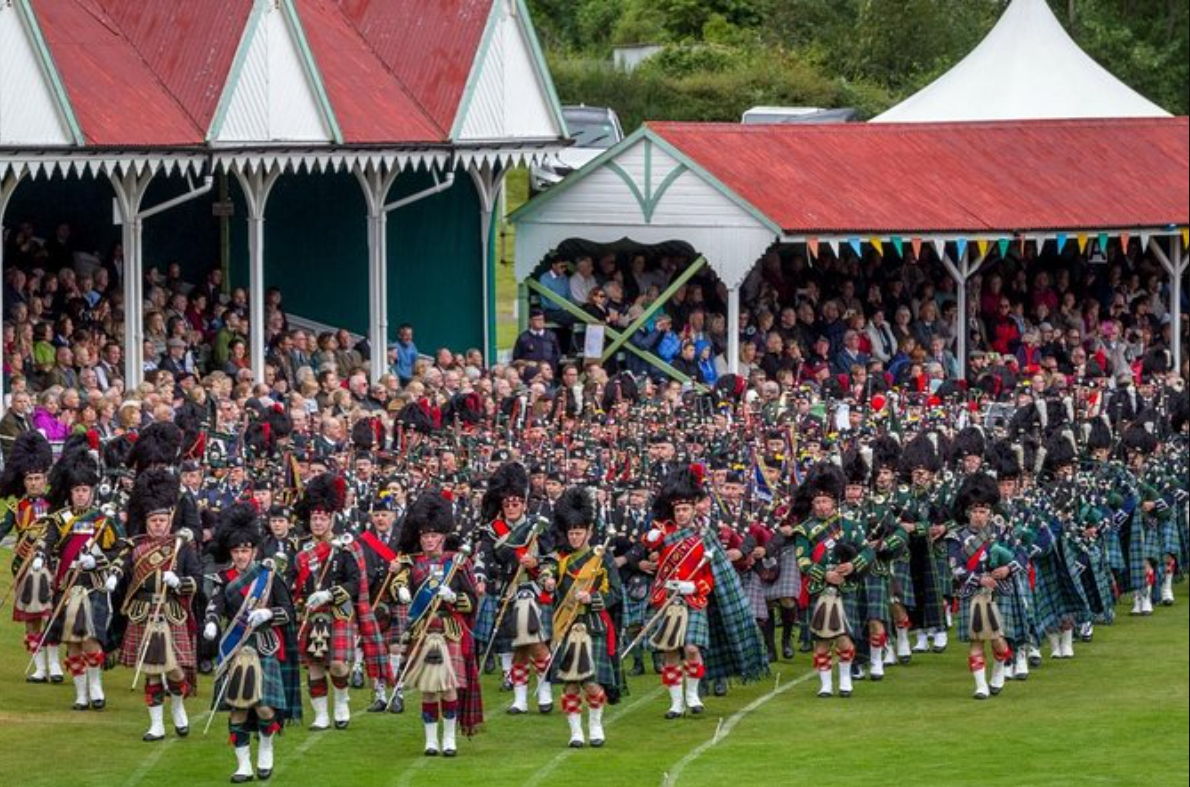
Last night was no exception, and as you may (or may not) know the two competing contestants don’t only scour antique and collectable shops across the realm, but also visit places of interest along the way. This time (the episode taking place in Scotland) one of these incidental visits concerned the Highland Games, a subject of which I know very little. Believe me, my only brush with tossing the caber was when I was six and some boys thought it was highly amusing to hurl a plank at me. Fortunately, in those days I could run like the clappers. 😄
It had never occurred to me to wonder how old such games might be, but my medievally-tuned ears pricked when the expert on the programme said the various games could be traced back to 1057, and the Battle of Lumphanan, when King Macbeth (yes, the Macbeth) was defeated by Malcolm, who then became king. https://en.wikipedia.org/wiki/Macbeth,_King_of_Scotland

Macbeth was beheaded, and the stone upon which this grisly event took place can still be seen at the site of the battle, which took place on 15 August 1057.
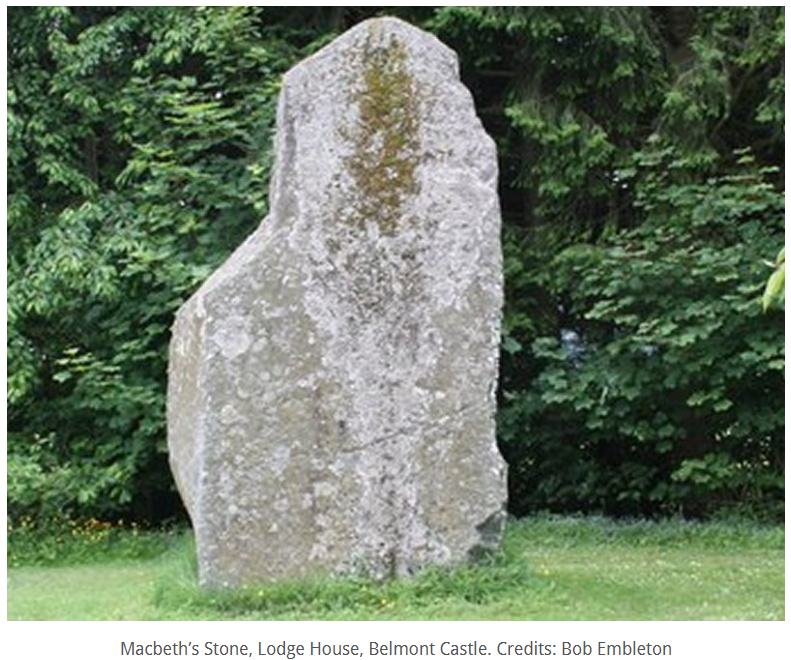

I’m not quite sure in what way the games originated at the battle. I certainly can’t imagine that the conflict paused a while so both sides could indulge in some friendly combat (like a certain famous football match during World War I), but associating the origin of the games to the battle was definitely the claim in the programme I watched.
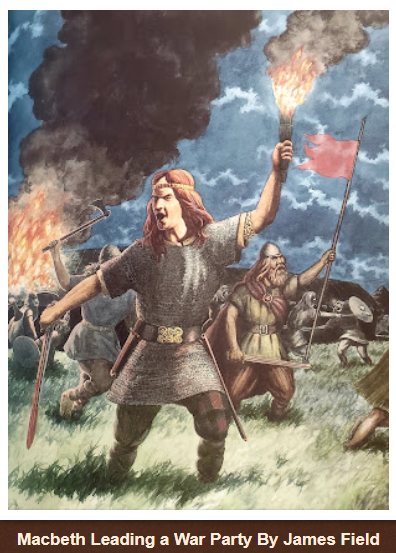
The history of the Highland Games can be investigated at this link https://www.scotsman.com/whats-on/arts-and-entertainment/a-history-of-the-scottish-highland-games-1476223. The Battle of Lumphanan and the real Macbeth can be read about here https://warfarehistorian.blogspot.com/2012/08/this-day-in-history-prince-malcolm.html, here https://www.historytoday.com/archive/real-macbeth-king-scots-1040-1054, here https://www.realclearhistory.com/2019/08/15/battle_of_lumphanan_and_insight_into_real_macbeth_11609.html and here https://en.wikipedia.org/wiki/Battle_of_Lumphanan. There are, of course, many more sites concerning this whole subject.
By the way, Macbeth is another of the Bard’s victims. Like Richard III, he was actually a good king, not the villain of the eponymous play.
 The New Murrey and Blue blog

Leave a comment