
It would seem that tagging the word “Tudor” to anything is meant as a surefire hook. Nothing is interesting unless it’s Tudor. Well, things ain’t always Tudor by any means, and some things only happened to still be around during that unlamented period. In this case it’s a horse cemetery in Westminster that had been there since the 14th century! Good heavens….I had no idea the Tudors were on the throne that far back. So I say knickers to the Tudors. 😠
However, the horse cemetery is rather interesting, because it reveals that trading and importing expensive and desirable horses was as much to royal liking for the Plantagenets (oh, alright, and the darned Tudors) as it is for the Windsors today. The burial ground was actually discovered thirty years ago, but it is only now that a number of articles about it have appeared.
Examination of some of the animals’ teeth reveal them to have originated outside Britain. Of the fifteen remains examined, half came from “possibly Scandinavia, the Alps and other northern and eastern European locations”.
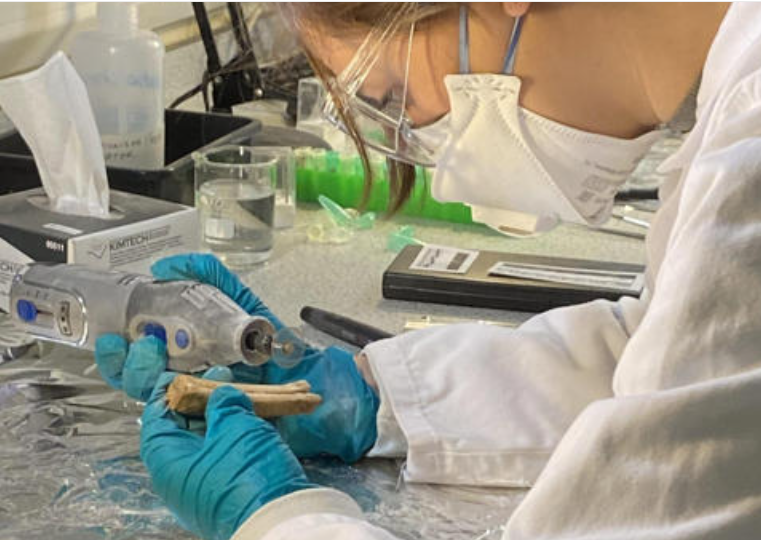
The animals buried here were “the supercars” of their day and “were imported for use in jousting tournaments and as status symbols of 14th to 16th century life….The animals in the study include three of the tallest animals known from late medieval England, standing at 1.6 metres, or 15.3 hands….although quite small by modern standards, this size would have been very impressive for their day….”
Horses in general were smaller then, which explains why contemporary illustrations seem to show very large men on ponies. The particular small horses used for travelling were chosen because they could keep up a fast trot for a very long time without tiring.
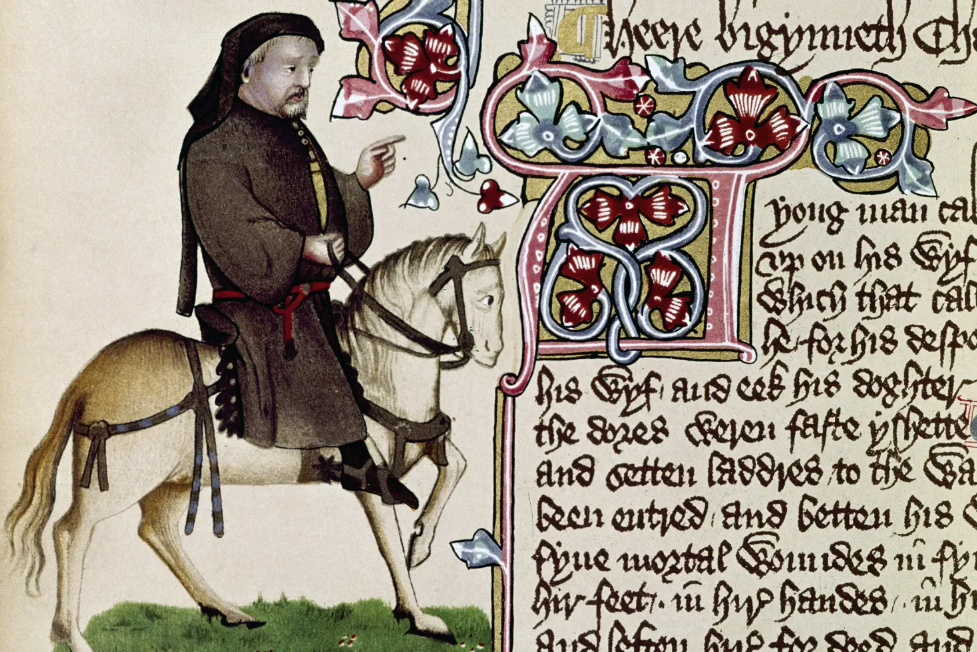
However, the horses needed for tournaments had to carry a rider in full armour at speed, and to us would not seem at all suitable. They’d certainly look very small beside a Shire horse, which breed was for quite some time wrongly believed to have resembled a medieval warhorse.
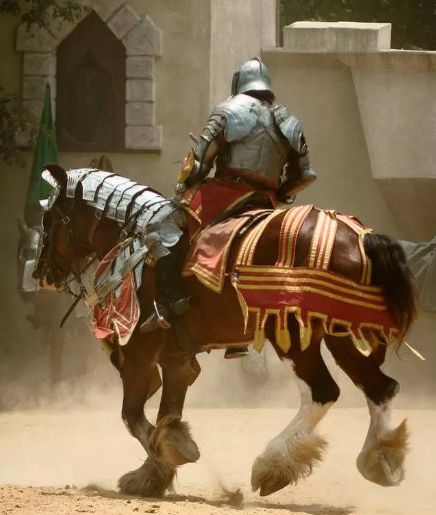
You can see what these war horses were really like in the following illustration of the Battle of Agincourt. Note that the armoured riders are still comparatively large by our standards:-

You can read more about the burial ground here, here and here.
 The New Murrey and Blue blog
Leave a comment