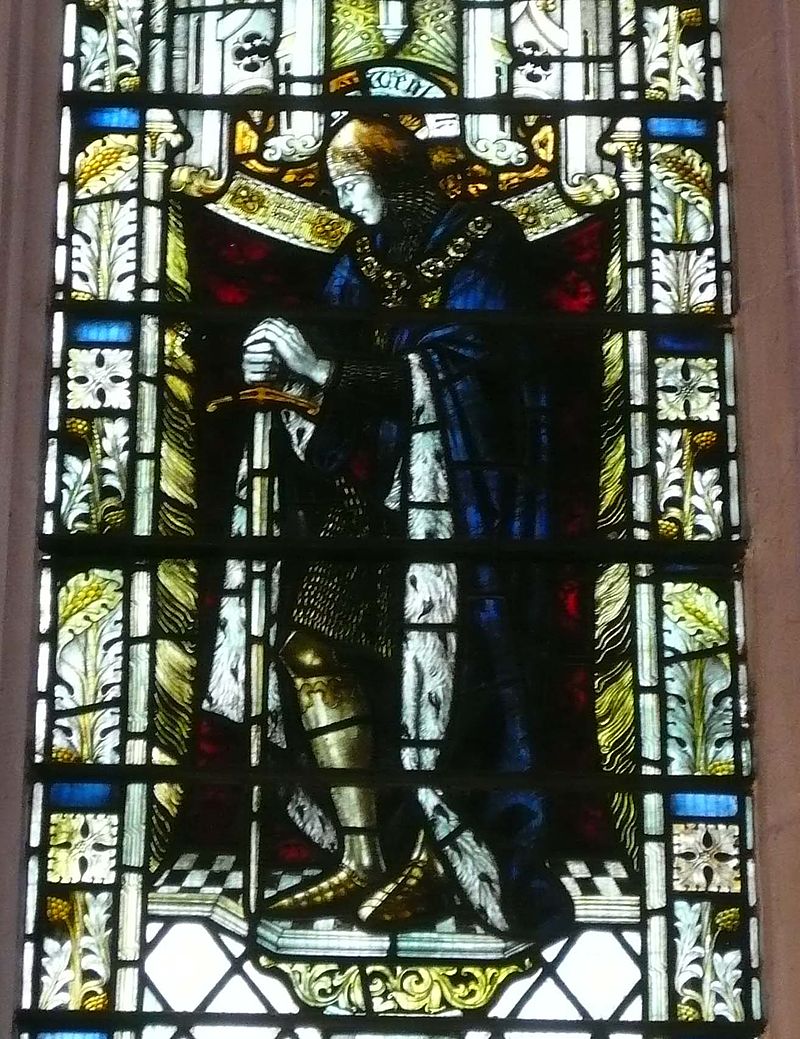
Sir John Wenlock was a known side-swapper during the Wars of the Roses. Although not as infamous as Thomas Stanley, Wenlock also frequently changed allegiances, starting out as a Lancastrian, then becoming a Yorkist, then a Warwick supporter and then back to being a Lancastrian again. He fought for the House of Lancaster at Tewkesbury and was killed in the field, some say by his own commander, Edmund Beaufort, who was enraged by his indecisiveness (perhaps believing he was about to turn his coat again.) He was buried at Tewkesbury Abbey, although the whereabouts of his grave is now lost. There is a family chapel in Luton‘s parish church which contains the tomb of Wenlock’s father William, and a stained glass window of an armoured Wenlock, but Sir John’s remains were never brought there.
Wenlock’s main lands were in Bedfordshire, and he was the Sheriff of Bedfordshire and Buckinghamshire in 1444. He lived in Someries Castle, which isn’t really a castle but an early brick built manor house, possibly the earliest one in England. Wenlock purchased the land from the Someries family in 1430 and began to build his house on the site of a previous smaller building. When he was done, he lived there with his first wife Elizabeth Drayton and after her death, his second wife Agnes Fray. He had no children with either wife and the castle was not completed before he died.
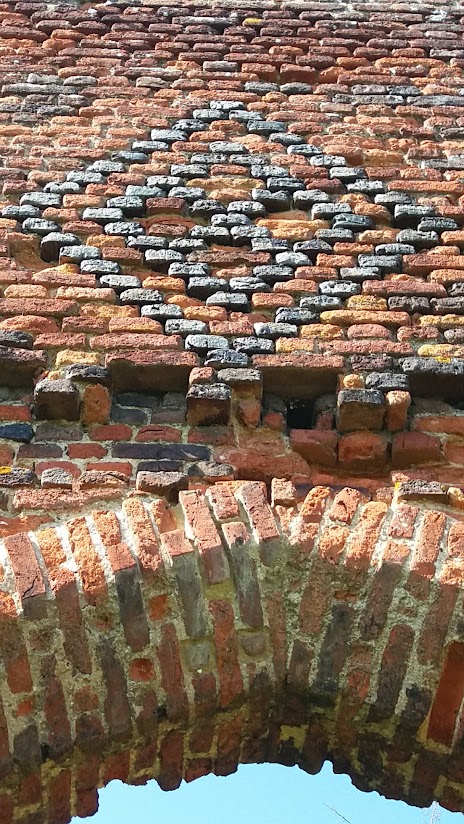
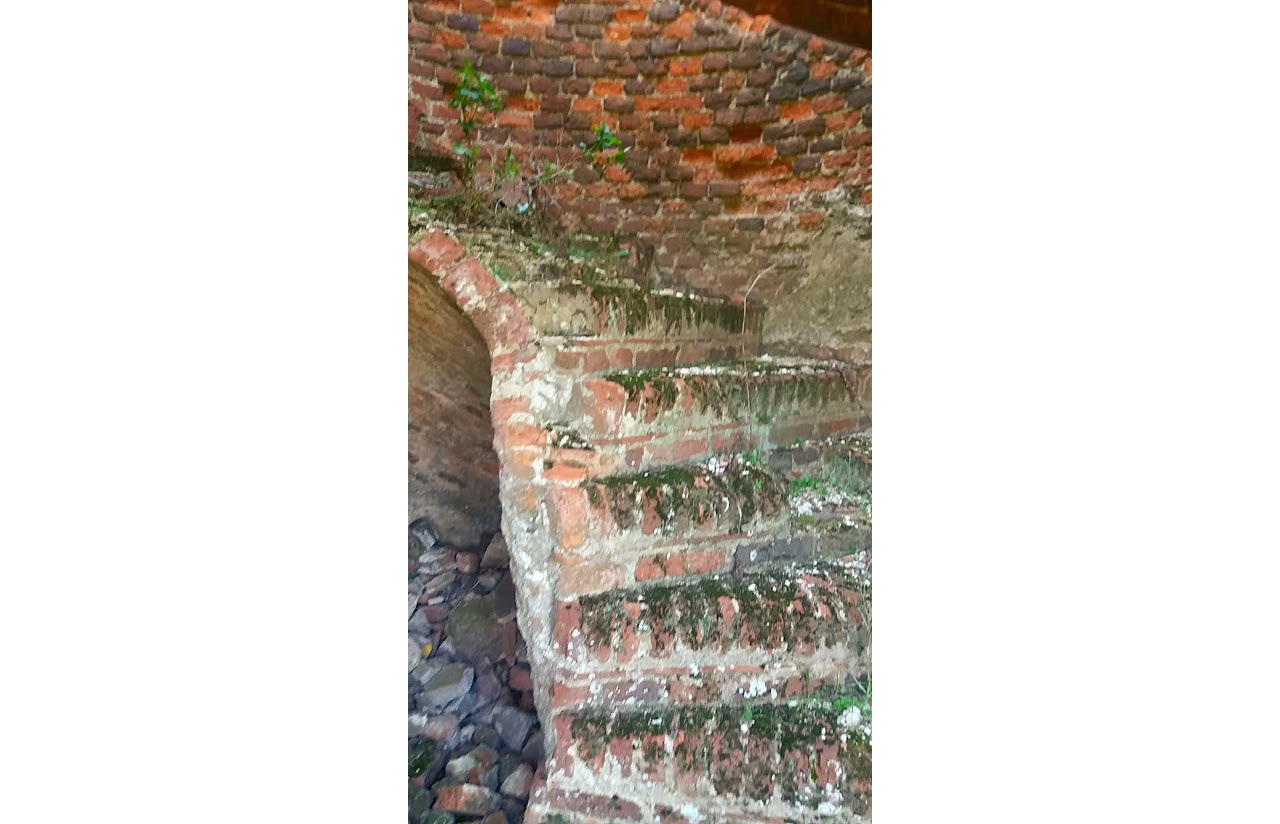
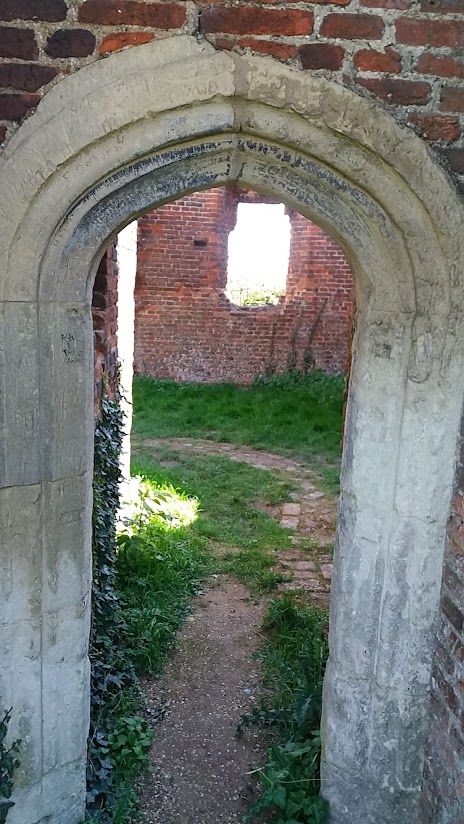
Someries is one of the most evocative ruins I have visited, although it is not particularly large–its interest is mainly for its extraordinary setting. To reach it, you have to drive under a railway bridge through a narrow dark tunnel, then down a small country road, where, as the road turns left, you will see Luton Airport rising across the fields. The smell of jet fuel reaches your nose and the air is full of the roar of jet engines. The road at this point becomes a dusty dirt track, but travelling onwards you see a few random cottages and farm buildings. At the very end of the unpaved road lies the castle, surrounded by old-fashioned metal railings, grass and nettles growing long around the base of its red brick stonework. The gatehouse is reasonably preserved, containing a chapel and lodge, and if you look carefully at the brickwork you can in places still see deliberate diamond-shaped patterns in darker-hued brick.
The castle is said to be haunted by Wenlock’s ghost, and I could easily imagine him wandering there after dusk, with the tumult of passing night flights booming overhead and the air acrid with the reek of fuel, in that strange place where past and present seem to collide…
https://www.ancient-origins.net/ancient-places-europe/someries-castle-0014916


 The New Murrey and Blue blog
Leave a comment