
“….In medieval and Tudor times, it was important for people to know that their king had actually died and that the succession was ‘safe’….
“….We all remember the story of the little princes in the Tower. The older of the two would have been King Edward V, had he lived. But no one ever really found out what happened to them, how they died, or where their bodies are….
“….So his successor, their uncle Richard III, lived under a cloud of suspicion and his legitimacy as a monarch is suspect to this day. His reign was dogged with several imposters claiming to be Edward or his younger brother, Richard….”
The above paragraphs are an extract from this site.
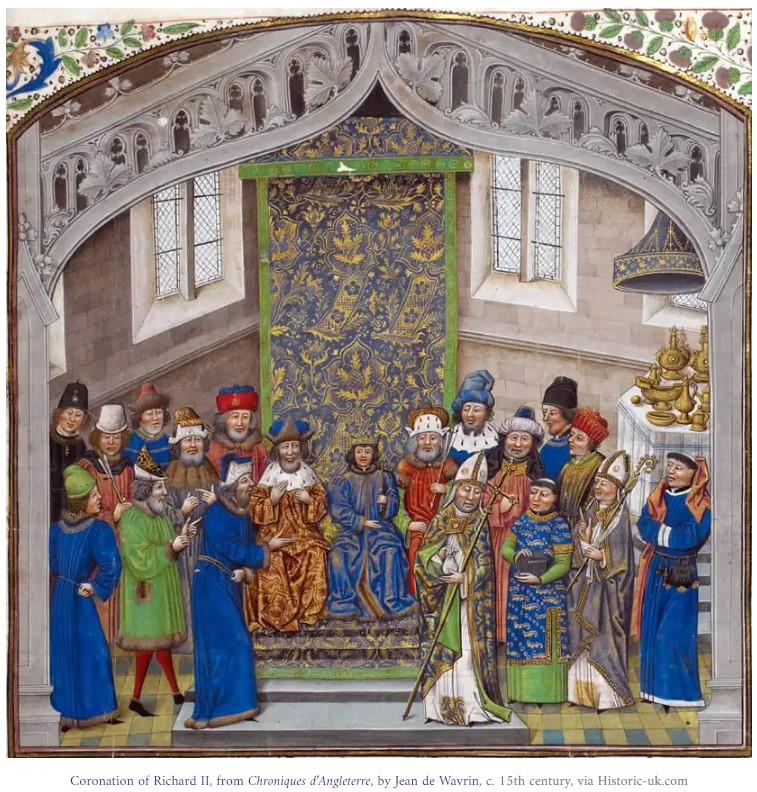
Right, where shall I start? Well the fact that a monarch had actually died didn’t necessarily make the succession safe. The death of elderly Edward III left as his heir his small grandson, who became Richard II. But in between the two was the ghost of the ‘Black Prince’, who predeceased his father. Rather a lot of oath-swearing and earnest vows had to be made to ensure that Richard succeeded the throne, but there wasn’t really any safety about it, with all manner of old scandals being resurrected to call the boy’s legitimacy into question. Yet Edward III was very definitely dead, and the succession remained questioned. Richard was only the grandson of a king, and he had big, bullying uncles, among whom only one, Edmund of Langley, showed no sign of coveting the throne.
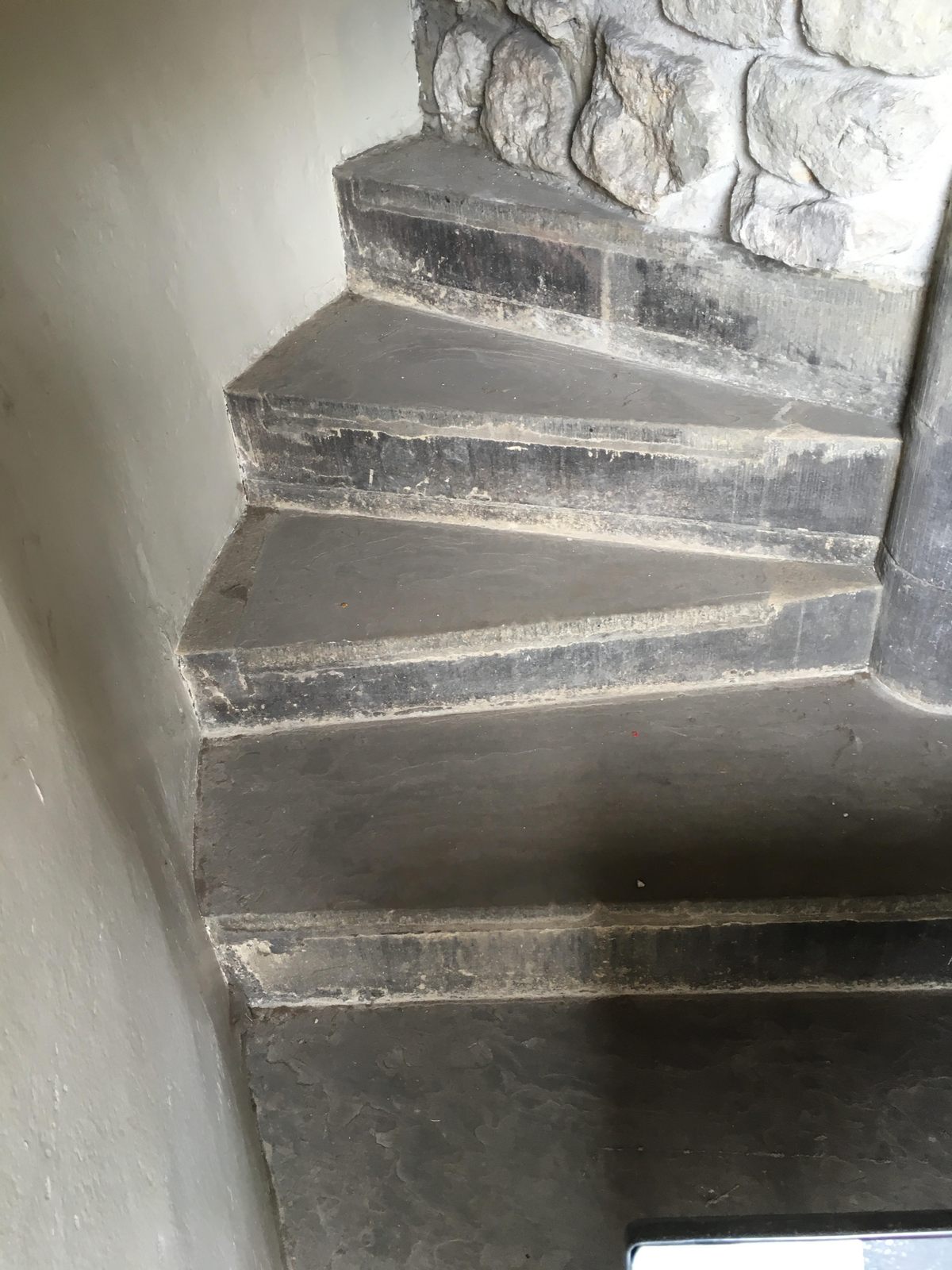
Next we come to the princes in the Tower and dastardly Richard III. Well, he had to be dastardly, given the boys were kept from public sight. But if he’d touted them around, all he’d be doing was reminding everyone that they’d once been regarded as legitimate and therefore heirs to the throne. I wouldn’t have touched them around either! So Richard is condemned by history for having murdered them. Overnight he had a stone staircase at the Tower dismantled, a grave dug beneath, two bodies lain in it and the stone staircase rebuilt. And no one saw or heard a thing. A likely story. The Tower seethed with people. Such a burial couldn’t possibly have been achieved in one night. I don’t think Richard was the sort of man to even contemplated murdering his own nephews. What happened to them? We’ll never know for sure, but I suspect he had them removed to a place of safety. They were alive on leaving the Tower for their new place of residence, but after that anything’s possible. If they were sent abroad, perhaps to their aunt in Burgundy, a storm and a shipwreck would see them vanish completely.
So it cannot be said, for a fact, that Richard III murdered them. His legitimacy as king cannot be questioned, he was the rightful heir. The boys and their sisters were illegitimate because Edward IV neglected to marry their mother. Rather carelessly, he already had a secret wife. So, was Richard to stand by and knowingly allow a baseborn boy to ascend the throne? Thus denying his own birthright and the birthright of his own son? I think not. The rules were the rules.
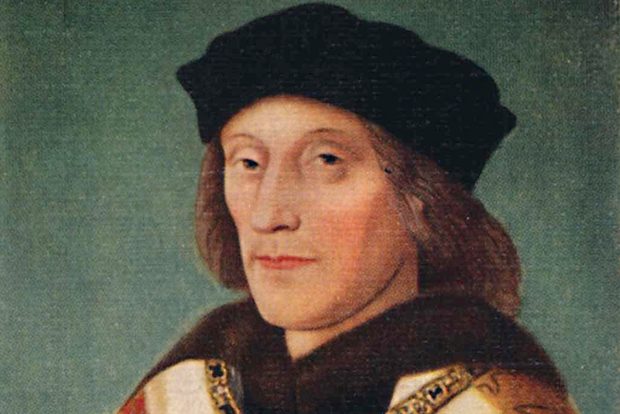
Finally we come to the extract about his [Richard’s] reign being “….dogged with several imposters claiming to be Edward or his younger brother….” Oh dear. Wrong king, I fear. It was Henry VII whose reign was thus dogged…and who’s to say they were imposters? They could well have been the Real McCoy! As Henry himself knew full well. He had far more reason to be rid of the boys. Why? Because he, Henry, had seen to it that the children of Edward IV were legitimised again, so that he could marry the eldest daughter, Elizabeth of York. A king couldn’t have an illegitimate queen! By so doing he also legitimised the two boys, whose claim to the throne immediately became far greater than his own, even if he had claimed the crown through conquest. Their reappearance would have toppled Henry for certain.

 The New Murrey and Blue blog
Leave a comment