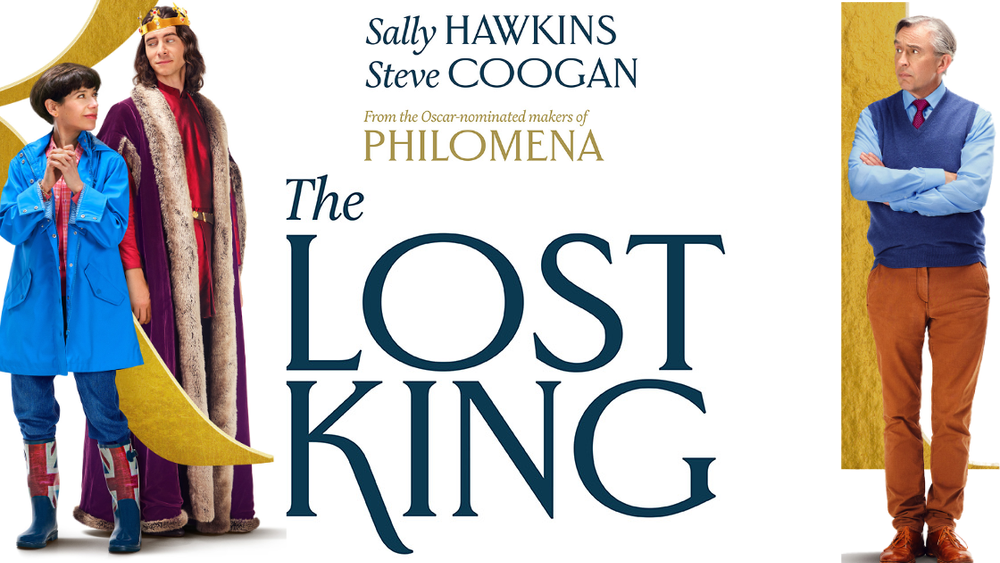
It’s been a long wait for American Ricardians. The Lost King was released in Great Britain about six months ago to generally excellent reviews. And during those six months I have read all the Facebook posts from happy Ricardians extolling the virtues of the movie while I sat on my couch fuming because it was not immediately released here. Occasionally, I would search Netflix or Amazon to see if I could rent the film for $18.99 that would, of course, include commercials for Shinglex and Peyronie’s Disease. Not to be!
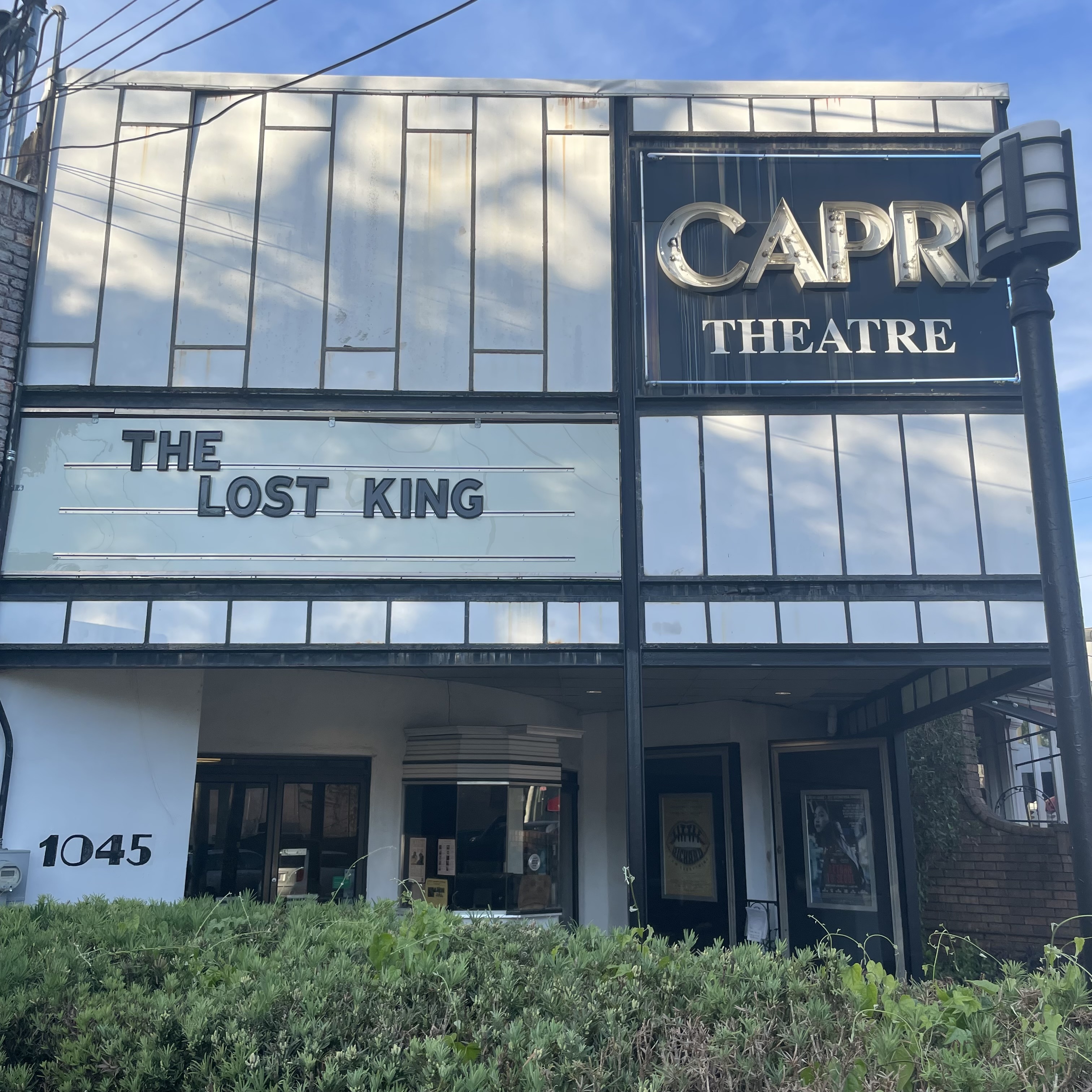
But thanks to the lone independent movie house in Alabama, The Capri, located in the beautiful Cloverdale neighborhood of Montgomery, I watched it twice over the long Easter weekend. As an aside, it is sad to acknowledge that independent/repertory houses are rapidly disappearing across the US. In a city of eight million, New York City is now down to a few independent movie theaters and one repertory house. But thanks to the Capri’s director, Martin McCaffery, and his loyal board of directors, they have kept this Art Deco treasure alive and kicking for forty years. It shows a huge variety of independent films every week of the year.
In any case, the film turned out as charming and intelligent as reviewers claimed. Sally Hawkins as Phillipa Langley captured beautifully the quivering excitement of the amateur historian who stumbles upon a great discovery based on research and that special, almost magical, gift called intuition. This film is a complete vindication and celebration of Ms. Langley. I can still remember the mockery expressed towards her even after her great find continuing into her reaction to the recreated head of the king. Who’s laughing now?
I did smile reminiscently at the presentation of the Richard III Society (Scottish Branch) as, let’s face it, a group of eccentrics. I had been a member of the New York branch, on and off, for 35 years. And in the 1970s, we met at The Explorer’s Club in Manhattan and sat beneath a gigantic stuffed polar bear bearing its pearly whites. We, too, debated and fought over chronicles and mean-spirited historians who often referred to us as dreamers and readers of “lady romance novels.” (Well, I was a fan of Rhoda Edwards‘ “The Broken Sword” but, like most Ricardians also read Paul Kendall and Thomas Costain and other well-respected historians.) So it was nice to see that chronically cranky Tudor historian, David Starkey, gently spoofed. Turning the tables can be fun!
It was a natural match with The Lost King.
 The New Murrey and Blue blog
Leave a comment