Elizabeth Woodville left sanctuary with her daughters on March 1, 1484, after Richard III swore a public oath that she and her daughters would be unharmed and that he would find the girls suitable matches. But where did she go then? Her daughters were, at least part time, welcome at court, but ‘Dame Grey’ as she now was known, was not.
We know that once she vacated the Westminster Sanctuary Richard had put her into keeping of one John Nesfield, a loyal supporter, and had given her a pension to live on–‘And over this that I shalle yerely from hensfurthe content & pay or cause to be contented & paied for the exibicione & finding of the said dame Elizabeth Gray during her naturalle liff at iiii termes of the yere that is to wit at pasche Midsomer, Michilmesse & Christenmesse to John Nesfide one of the quires for my body for his finding to attende upon her the summe of DCC marc of lawfulle money of England by even porcions.’
But where? It seems that Elizabeth’s new home may have been a village called Heytesbury in Wiltshire. Today a rather sleepy place, in the Middle Ages, the small town had belonged to the Hungerford family, who also built Farleigh Hungerford Castle. They had chosen the wrong side during the Wars of the Roses, however, and Robert Hungerford had been attainted in Edward IV’s first parliament in 1461 and later executed after the Battle of Hexham in 1464. His castle and many of his lands were granted to Edward’s younger brother, Richard.
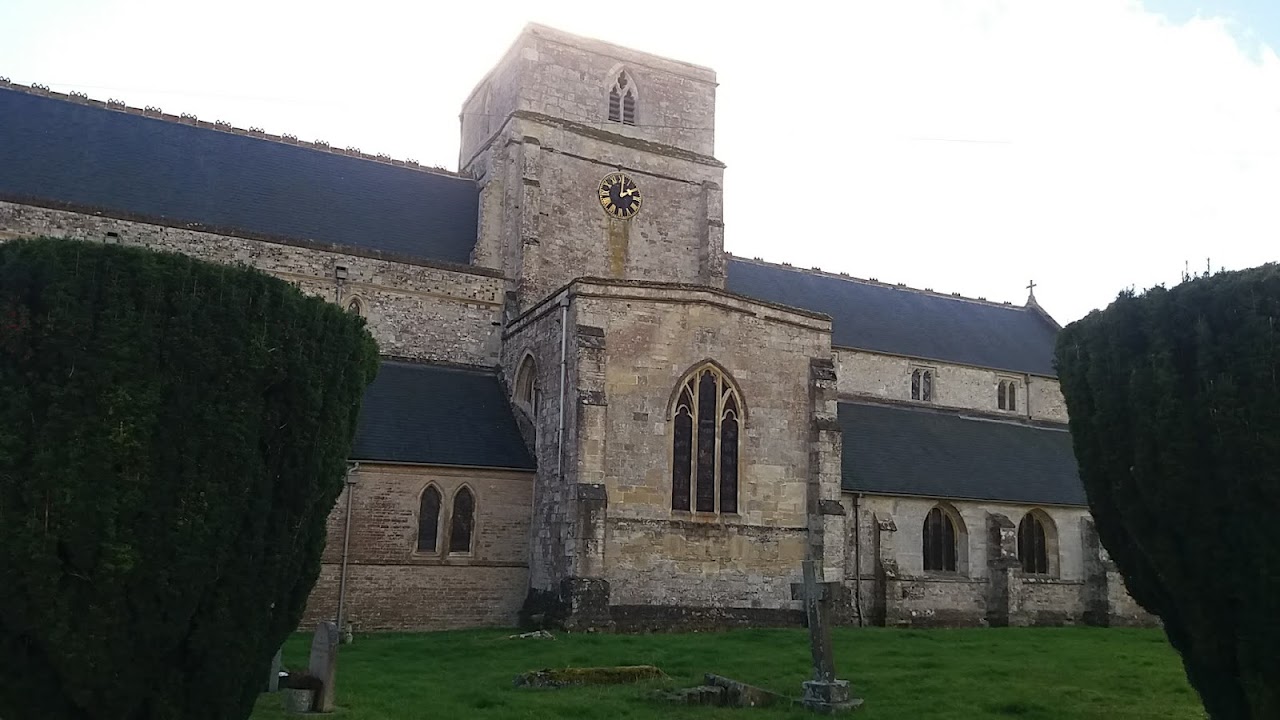
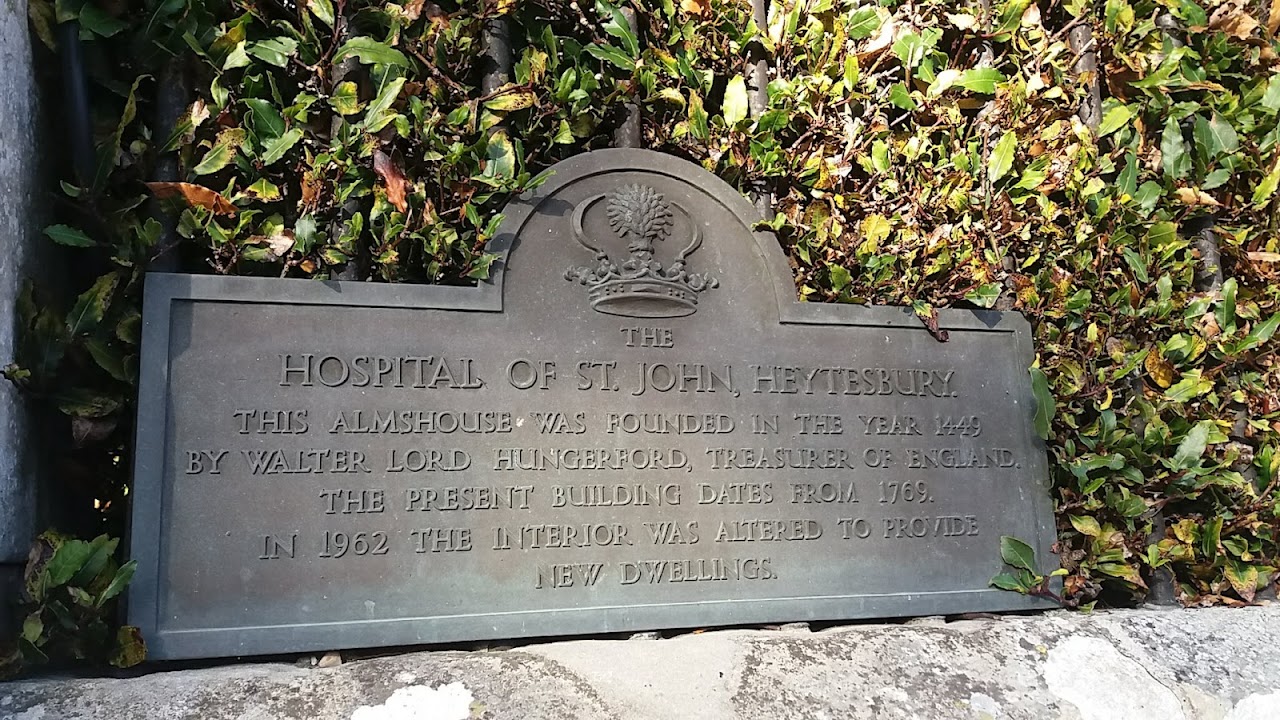
By the late 1400’s Heytesbury was a thriving place. It had a large church founded in the 1200’s with later additions from 1470, and also a hospital, founded by Walter Hungerford in 1440 but then re-endowed by Lady Margaret, the widow of his son, Robert. The church is still extant, retaining many interesting features, including the remains of a Hungerford Chantry Chapel. The hospital of St John the Baptist and St Katherine is still in use too, but the original medieval structure burnt down in a devastating fire in 1765 that destroyed much of the town, and so what you see now is Georgian.
It seems Elizabeth in her widowhood lived in a manor house known as East Court close to the town centre. Sadly, it, too, perished in the fire and another grand house was built on its ruins.
Heytesbury House, former site of East Court.
Heytesbury is a pleasant but quiet place today, but it is difficult to imagine Elizabeth living quietly in seclusion after her days as Queen Consort, but I suspect it may have been far busier then than now, with ties to the larger town of Warminster, a few miles away.

 The New Murrey and Blue blog
Leave a comment