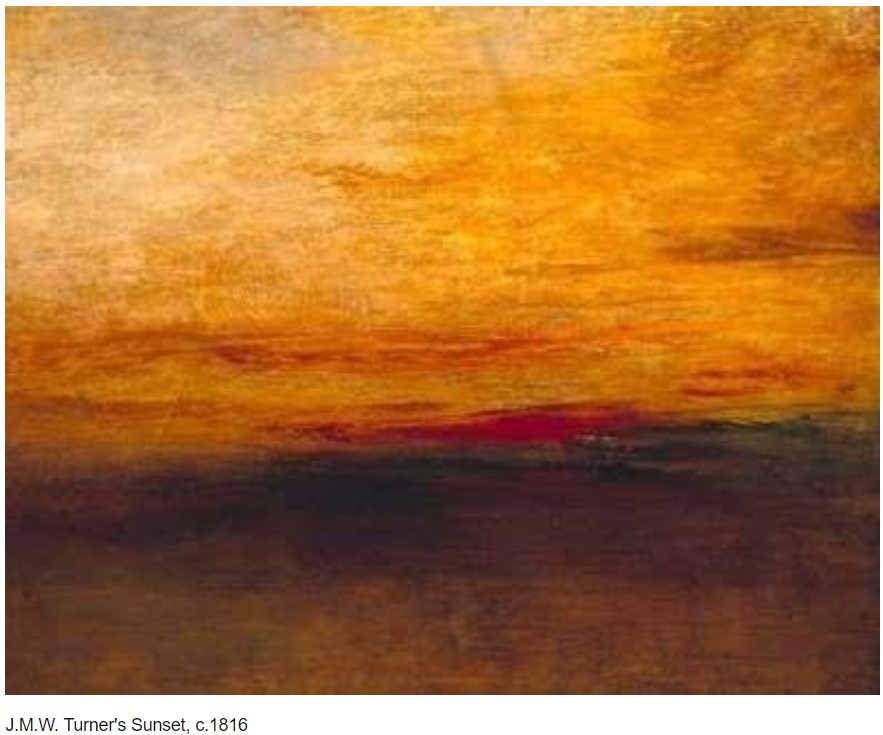
Huge volcanic eruptions have always affected parts of the world that are often far, far away from the centre of the event. A famous (to me) example of this was in 1815 with Mount Tambora (in what is now Indonesia) which created such clouds and darkness that it made 1816 “the Year Without a Summer” in Europe, including Britain. There are reports of the amazing sunsets, which were a glory of colour—even as the clouds that caused them annihilated crops.
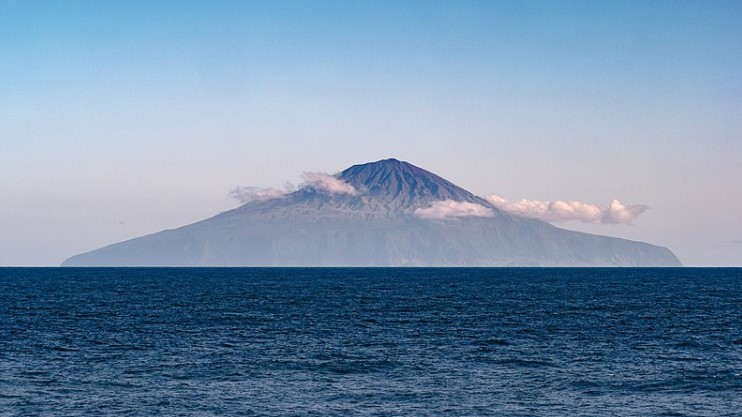
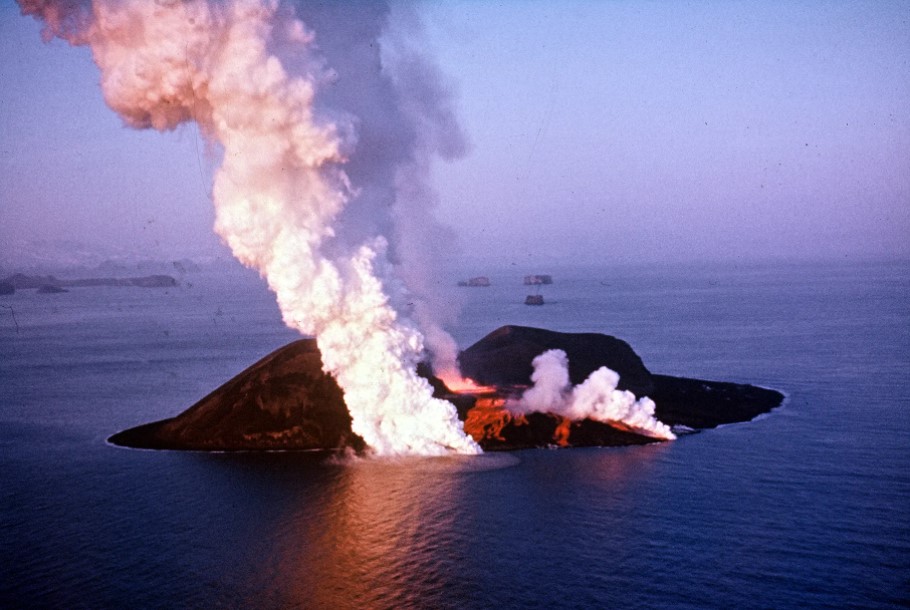
As a child I remember seeing newspaper reports of Vesuvius’ latest eruption, and then later Tristan da Cuhna in 1961. More recently still there has been the appearance of Surtsey off the coast of Iceland. This latter was an undersea eruption that was so violet and productive that it has created new land in a frighteningly short space of time.
There have been many more, of course, but I’ve chosen these as examples. Where am I going with all this? Well, things happened in England in 1391 that makes me wonder if a volcanic explosion somewhere was behind it all. Here’s what I have found that’s relevant to 1390-1392:-
….[Sorry, the link I have for this no longer seems to work— 1390-2)…. Beginning on 9 July 1391 the sun appeared to be obscured by certain thick and dreary clouds between that and the earth. The clouds rose daily for almost six weeks together. The north and east part of England were, at the same time, sorely afflicted with a pestilence. In a few weeks there died eleven thousand persons in the city of York….For 6 weeks after 9 July 1391 in England, great, thick, dark clouds. At the same time there was a great mortality over all of England, especially in Norfolk. In York, 11,000 people died. During both this and last year was great scarcity and dearth. The mortality was from an epidemic bloody flux, from eating large quantities of green fruits during harvest time…. [Green because fruit hadn’t ripened?]….In England during the years 1390 to 1392, there was a great dearth from hoarding up corn [grains]….
…. Also on 9 July 1391 in England. Obscuration. Red sun gave no light from noon to sunset. (62) …[Sources for bracketed numbers ]….
Then, it seems, there was probably a higher frequency of warm, dry summers, although I don’t know if this can be linked to the after-effects of a possible volcanic eruption.
The trouble is that wherever I’ve looked for evidence of such an eruption, I can’t find anything that would have affected England at the relevant time. So maybe these weather events have nothing whatsoever to do with volcanoes. But I certainly have a sneaking suspicion that they do.

 The New Murrey and Blue blog
Leave a comment