from
https://en.wikipedia.org/wiki/Saponaria_officinalis
Lurking among the many books around my home is a little booklet called A Calendar of Flowers and Their Saints, subtitled“A Flower for Every Day. A Saint for Every Flower.” It has no publication date, but is stamped Writers Service Bureau, London W.C. 1. Its pages are brown at the edges, there’s a teacup stain on its front cover, and it came from my aunt’s house. She had been a newspaper reporter in South Wales from the end of WWII to the 1980s. That is all I know of the booklet.
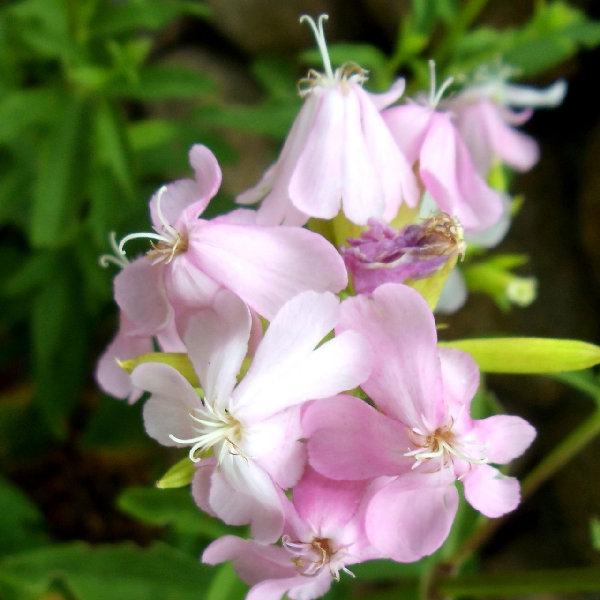
Anyway, when I came upon it again, I wondered what (1) Richard’s flower would be, and to which saint it was dedicated. As you know, his birthday was 2nd October, and according to the booklet his designated flower is the friar’s minor soapwort (saponaria dyginia). See above. This flower’s patron saints are the Guardian Angels. I tried in vain to identify this particular soapwort, and so the illustration is of the Saponaria officinalis. As to the Guardian Angels, they weren’t awake at Bosworth!
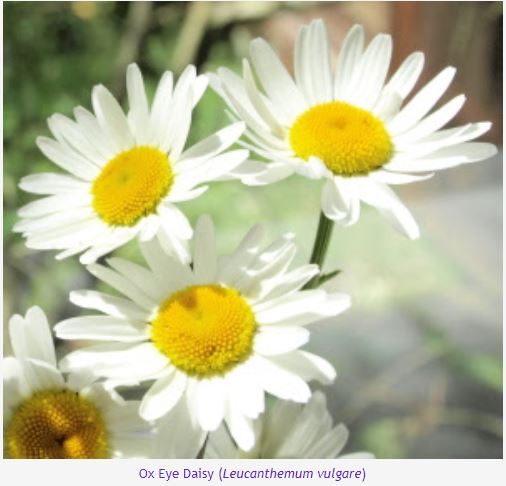
Next I decided to see what (2) Anne Neville’s flower would be. She was born on 11th June, for which the little book says it’s the ox-eye daisy (chrysanthemum leucanthemum). This flower is dedicated to St Barnabas.
from
http://rawedibleplants.blogspot.com/2012/06/ox-eye-daisy-leucanthemum-vulgare.html
I don’t know the birthday of their tragic son, Edward of Middleham.
From here I went on, and the following is a brief list of other birthdays and associated flowers/plants/saints. There is even a mushroom in there! Please remember that sometimes the saints are connected to the plant, not to the birth date or actual saint’s day. And if you query the absence of, say, John de la Pole, Earl of Lincoln, it’s because his birthday isn’t known,
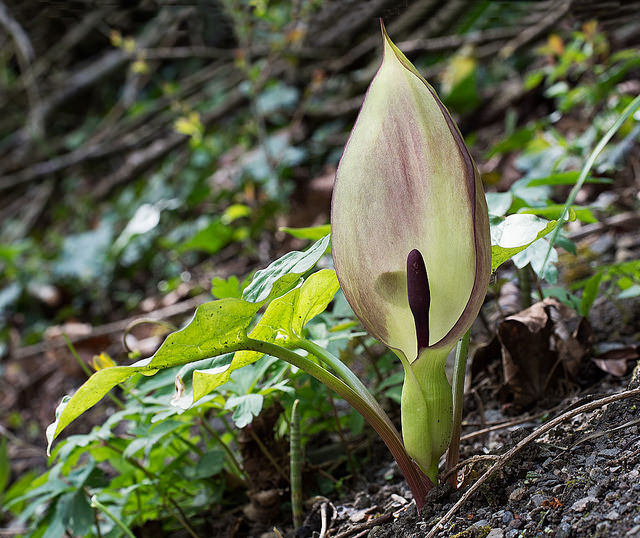
(1) Edward IV, 28th April, cuckoo pint (Arum maculatum), St Didimus/Didymus. Um, given Edward’s track record, I have to say that this plant seems rather appropriate!
from
https://www.naturescape.co.uk/product/cuckoo-pint-arum-maculatum-bulbs/
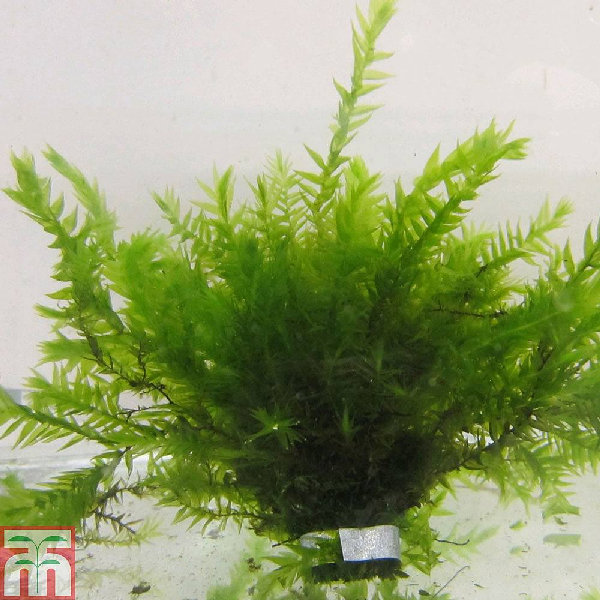
(2) Elizabeth Wydeville, 3rd February, great water moss (fontinalis antepyretica), St Blaise. Might be fitting for the daughter of the “Lady of the Rivers”?
from
https://www.thompson-morgan.com/p/fontinalis-antipyretica-oxygenating-aquatic/t78160TM
(3) Elizabeth of York Her birthday was today, 11th February, red primrose (primula verna rubra), St Theodora.

from
https://www.alamy.com/stock-photo/primula-rubra.html
(4) Edward of Westminster (Edward V), 2nd November, winter cherry (physalis), St Marcian. This plant is known to me as Chinese lanterns.

Physalis – Winter cherry/Chinese lanterns
from
https://www.nature-and-garden.com/gardening/physalis.html
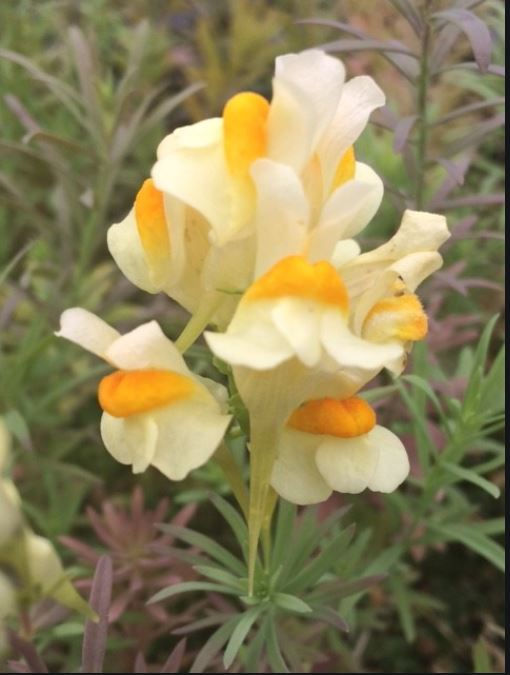
(5) Richard of Shrewsbury, Duke of York, 17th August, toadflax (linaria vulgaris), St Manus (St Magnus the Martyr?)
from
https://www.naturescape.co.uk/product/common-toadflax-seed-packet-0-5g-approx-2500-seeds/
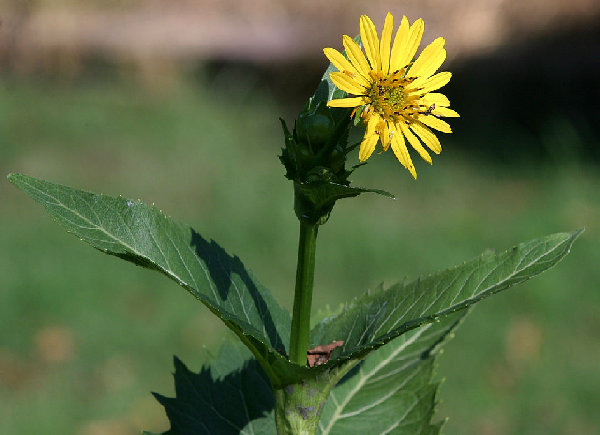
(6) George, Duke of Clarence, 21st October, hairy silphium (silphium asteriscum), St Ursula – George’s birthday and the saint’s day are the same. I’m not sure which plant is being referred to here, especially as a lot of the genus seem to be from the southern states of the US, where it is commonly known as cup plant. Suffice it that they are almost all yellow, with daisy-like flowers.
from
https://en.wikipedia.org/wiki/Silphium_perfoliatum#/media/File:Cup_plant.jpg
(7) Isabel Neville, 5th September, mushroom (agaricus campestris), St Laurence Justinian (who wasn’t a saint at the time of Isabel’s life).

from
https://en.wikipedia.org/wiki/Agaricus_campestris
(8) Edward, 17th Earl of Warwick, 25th February, peach (amygdalus persica), St Walberg.

from
https://www.finerareprints.com/peach-tree-amygdalus-persica-17499
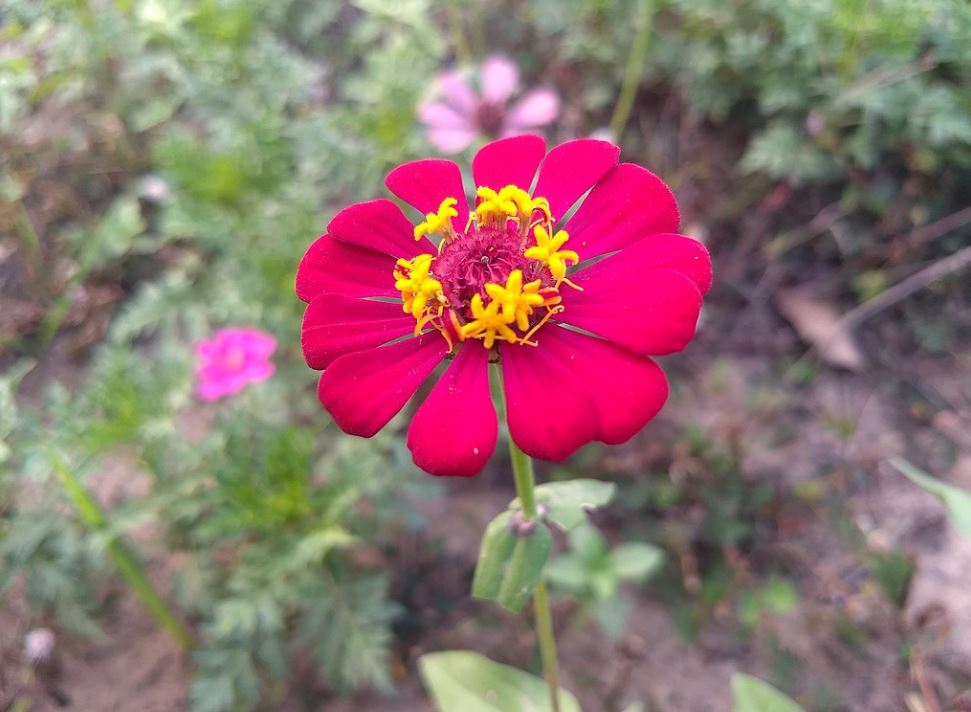
(9) Margaret, Countess of Salisbury, 14th August, zinnia (zinnia elegans), St Eusebius. Unfortunately, the zinnia hails from America, and so would not have been known to Margaret. And St Eusebius’s feast day does not match her birthday.
from
https://upload.wikimedia.org/wikipedia/commons/e/e0/Zinnia_elegans_01.jpg
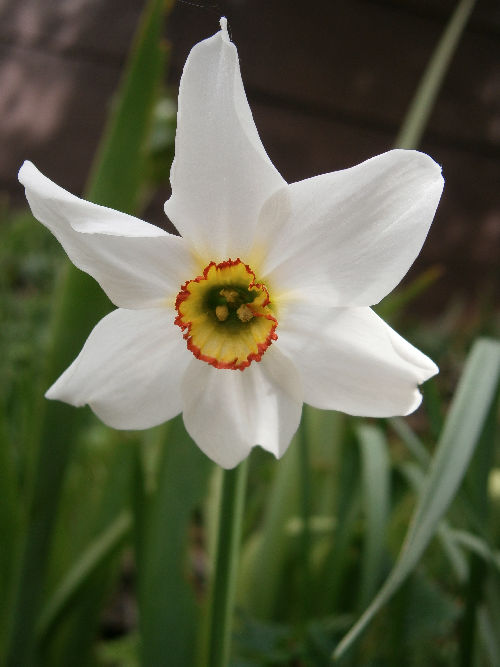
(10) Cecily Neville, Duchess of York, 3rd May, poetic narcissus (narcissus poeticus). Saint – Invention of the Cross – indeed associated with Cecily’s birthday.
from
https://en.wikipedia.org/wiki/Narcissus_poeticus
(11) Richard, 3rd Duke of York, 21st September, Cilcated Passion Flower (passiflora ciliata) St Matthew. The duke’s birthday and the saint’s day are the same.

from
http://chalk.richmond.edu/flora-kaxil-kiuic/p/passiflora_ciliata.html
(12) Richard Neville, 16th Earl of Warwick, 22nd November, trumpet-flowered wood sorrel (oxalis uniflora), St Cecilia. I’m afraid I do not know which sorrel is referred to here, and so the image is of the common wood sorrel, as found in British woodlands. In the Kingmaker’s case, his birthdate and the saint’s day are the same.

from
https://totallywilduk.co.uk/cooking/foraging-plant-guide/sorrel/identify-wood-sorrel/
Oh, and we must not forget dear Henry VII, lucky number (13). His birthday was 28th January, double daisy (bellis perennis plenus) and the saint is St Margaret of Hungary (born 27th January, died and feast day 18th January). It’s rather hard to imagine him as any daisy, let alone a double one.

from
https://www.jelitto.com/Seed/Perennials/BELLIS+perennis+Rominette-Series+Rominette+White+Portion+s.html


 The New Murrey and Blue blog


Leave a comment