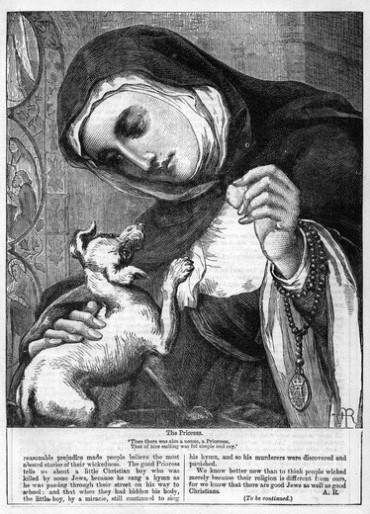
She had small hounds that she fed
roasted flesh, milk and small bread
— The Canterbury Tales
If one follows the life and times of Richard the Third, it also follows that one becomes immersed in the culture of medieval England. Whether it’s the choral music, the fashions of the royal court, the cutting wit displayed by the nobility, the duty-bound liturgical calendar or the unceasing legal and real estate battles that ran riot over the landscape, one cannot help but be transported back to a time that seems distinctly fantastic to modern sensibilities.
The culture of cookery is a case in point. Medieval English food was awash in exotic spices and an endless variety of herbs: galingale, cinnamon, ginger, cardamom, cubebs, cloves, gromic, liquorice, garlic, lavender, aniseed and pepper were used for taste and saffron, alkenade, cornflower, beetroot, sandalwood, mulberry and verjuice were used for colour. Sugary subtleties made from marzipan (anglicised as marchpane) could be shaped to represent everything from a tiny pink piglet to a fully-rigged sailing ship presented to the young Duke of Gloucester in recognition of his role as Lord High Admiral. Exotic mammals such as whales (which apparently were dished up with peas the way today’s fish and chips are chucked on a plate with mushy peas) and porpoises were presented at banquets, along with swans, egrets, seals, peacocks, hedgehogs and other less exotic fair such as beef, poultry and venison.
We know that King Richard’s remains displayed aspects of a high-status diet of fish and meat. The King also had two dental extractions performed by a barber/surgeon which could suggest he had a sweet tooth. And since we now know that carbohydrates turn quickly to sugar, it may be that he also enjoyed the vast amounts of bread produced in England in the Middle Ages.
Given the sophisticated nature of this society, it was unlikely that this product would not come under the scrutiny of the government. And in 1266, it did. The Assize of Bread and Ale was formed to assure fair trade and a consistent output. Prices were regulated and a bureaucratic eye was kept on the sale and quality of bread and beer sold. Eventually, the bakers formed guilds and regulations in the making of both beer and bread were codified into law. (1)
The bread favoured by the nobility of England had many names. Chaucer called it payndemayne and it may be the bread that the nun in “The Prioress’s Tale” daintily fed to her dogs in “The Canterbury Tales.” Other variations include manged bred, paynmane and desmesne. The one variation that seems to have been a constant and is still made today is manchet, which in French is called michette (meaning “crumb”). It is a very pure white bread made from wheat flour that’s been finely bolted (sifted through a thin linen cloth) and is formed into a small, round loaf. It has been posited that this was the bread used in the making of the Eucharistic Host. Later on eggs were added to it which turns it into a kind of brioche – perfect for “payn purdeuz.” These precious loaves were served at royal banquets, a king always being served first.
The peasant class ate a different type of bread called “maslin” – a combination of rye and wheat and sometimes barley. Its name is derived from the French word “miscelin” meaning mixture. Maslin, or other types of coarse bread called cocket, cheat, treet or troute, may be the basis for the trencher which was used as plates before the introduction of wooden plates. These humble loaves could contain anything from poppy seed, millet, spelt to sorghum. In some ways, these breads would be more recognizable at today’s local gourmet markets than the white loaves that adorned King Richard’s table. Of course, it’s pleasant to think that once Richard was on the field of battle, among his beloved fellow soldiers, he may very well have tried and enjoyed the more humble bread of the peasantry.
The word trencher also comes from the French. “Trenchier” means “to slice” or “to cut” and special servants sliced the bread and placed it at table where, once again, the King received the best portion. Made from unbolted flour that contained all the parts of the grain kernel, it was dark and tough and served stale – perfect for holding stews and meat and sometimes even lit candles! It was considered déclassé to chow down on the deliciously saturated (if stone hard) bread and was, therefore, given away to dogs or, if all else failed, the poor.
Interestingly, it comes down to us today in the culinary fixture known as the bread bowl – that sturdy, hollowed out loaf into which is poured stews and hearty soups, salsas, dips or in Nigella Lawson’s case, sticky cocktail holiday sausages in mustard and maple syrup.
Here is a recipe for manchet written by Lady Arundel in 1654. If you have two dozen eggs to spare, it would make a swell treat!
“Take a bushel of fine Wheat flower, twenty Eggs, three pound of Butter, then take as much salt and barm (yeast) after the ordinary Manchet, temper it with new Milk pretty hot, then let it lie in a space a half an hour to rise, so you may work it up into bread and bake it, let not your Oven be too hot.”
Unfortunately, it is sometimes difficult to find early descriptions of the making of bread. The Form of Cury (Forms of Cookery) is a 14th Century book that is somewhat vague on bread making although it uses bread consistently in its recipes. This is possibly because it was considered so ordinary and well-known, that it wasn’t deemed important enough to be written down. Here’s an easy version from Maxime McKendry’s fine book “Seven Hundred Years of English Cooking.” This version has more in common with 14-15 Century manchet than Lady Arundel’s.
1/2 ounce (1 package) Yeast
1/2 pint (1 cup) warm water
10 ounces (2-2 1/2 cups) White Whole Wheat flour
5 ounces (1 cup) All-Purpose (Plain) flour
1 Teaspoon Salt
2 ounces (4 tbs) softened butter
Dissolve yeast in half the warm water. Let it proof. Put all the flour and salt in a bowl and make a well. Add the butter and all the water to the well and mix. Add more flour if needed. Knead until dough is smooth and elastic and then place in an oiled bowl. Cover and put in a warm area and let rise for one to two and a half hours. Punch it down and shape it into one or two loaves. Place on a greased baking sheet, cover, and let rise again. The loaves can then be brushed with egg wash and slashed. Bake at 375F or 190C or Mark 5 for 35-40 minutes.
It makes a nice bread for sandwiches to put before a king.
(1) The Encyclopaedia of Kitchen History, pages 68-69
Bibliography:
The Encyclopaedia of Kitchen History, Mary Ellen Snodgrass
English Bread and Yeast Cookery, Elizabeth David
The Great Household in Late Medieval England, C.M. Woolgar
Seven Hundred Years of English Cooking, Maxime McKendry
Nigella Kitchen, Nigella Lawson

 The New Murrey and Blue blog
Leave a comment